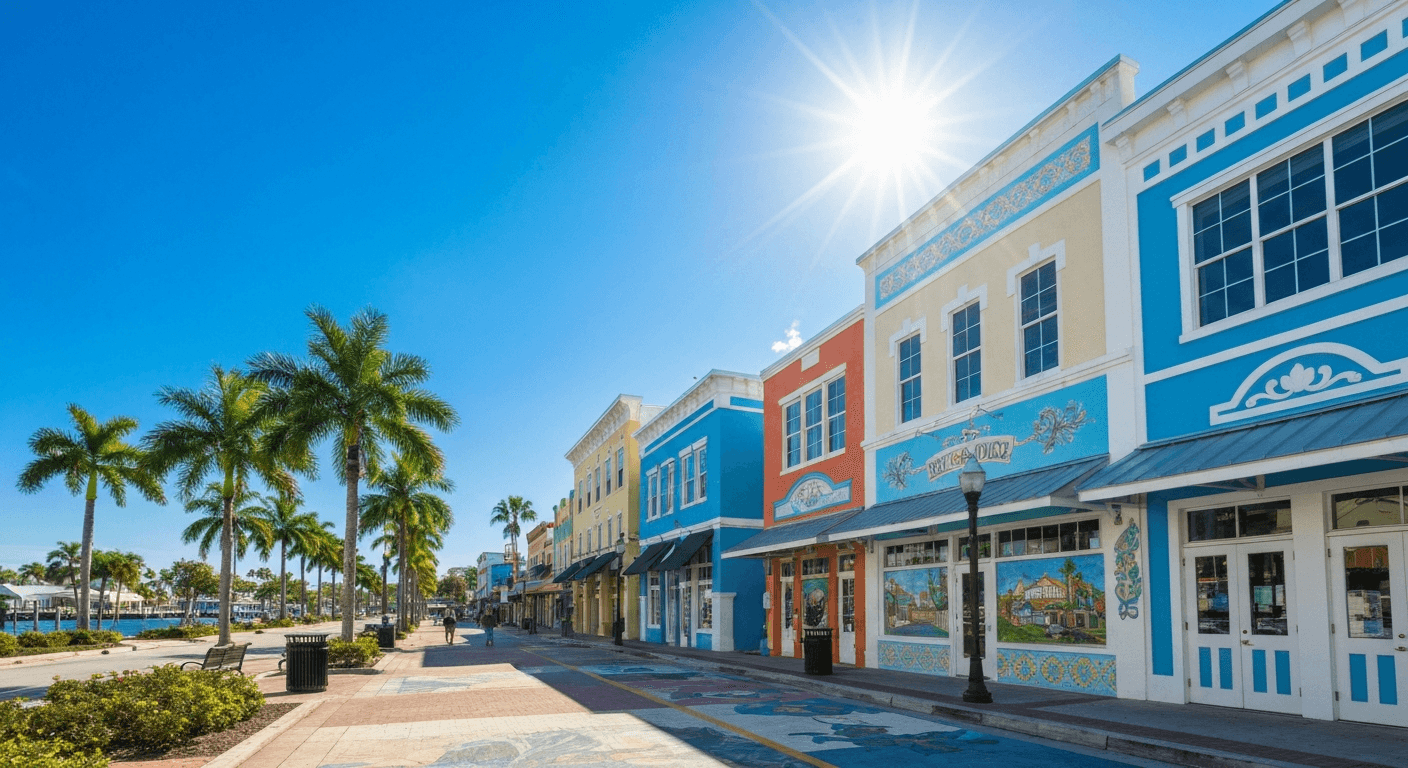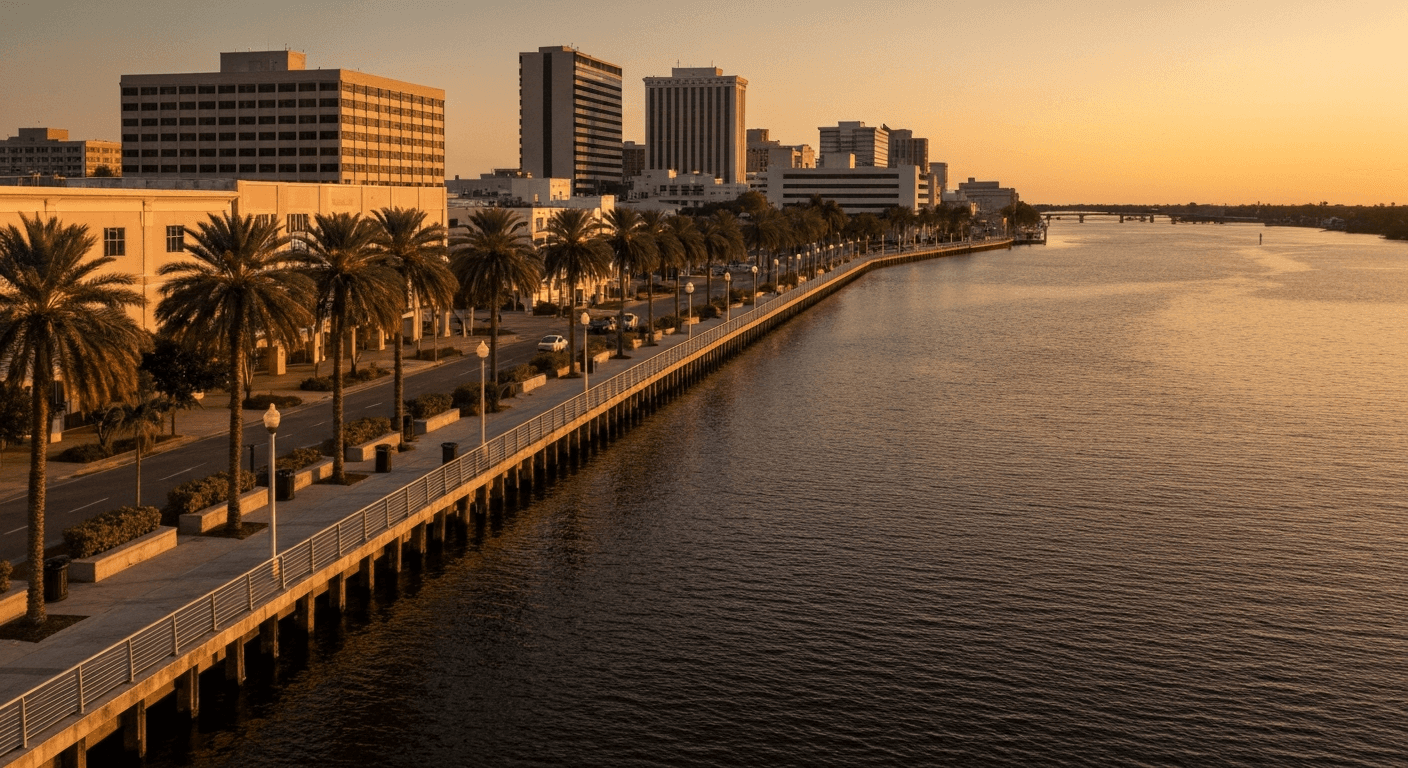
Punta Gorda concentrates much of its small-city retirement routine around Charlotte Harbor. Downtown, Harborwalk, Fishermen's Village, parks, restaurants, and historic neighborhoods sit together on Charlotte Harbor, while Punta Gorda Isles and Burnt Store Isles provide extensive canal living. The city is easier to understand than sprawling unincorporated communities, but waterfront storm exposure and the loss of its hospital are major parts of the decision.
Punta Gorda retirement at a glance
Best for: boaters, cyclists, walkers, small-city retirees, and people who value an active waterfront downtown over a large resort market.
Think twice if: you need a hospital inside the city, want an open-Gulf beach nearby, or prefer the lowest possible flood and wind exposure.
Everyday advantage: downtown paths, waterfront parks, restaurants, a library, event venues, boating, and Punta Gorda Airport are close.
Main tradeoff: the former Punta Gorda hospital is permanently closed, so inpatient and 24-hour hospital care require a trip to Port Charlotte.
Neighborhoods and areas to compare
| Area | Best fit | Tradeoff |
|---|---|---|
| Historic District and downtown | Walking or biking to Harborwalk, restaurants, parks, and community events | Older homes, small lots, and significant storm-surge history |
| Punta Gorda Isles | Canal homes, seawalled waterways, golf, and quick access to the city center | Seawall, dock, lift, insurance, and canal-maintenance costs |
| Burnt Store Isles | Canal and golf lifestyle south of central Punta Gorda | Farther from downtown and hospital routes |
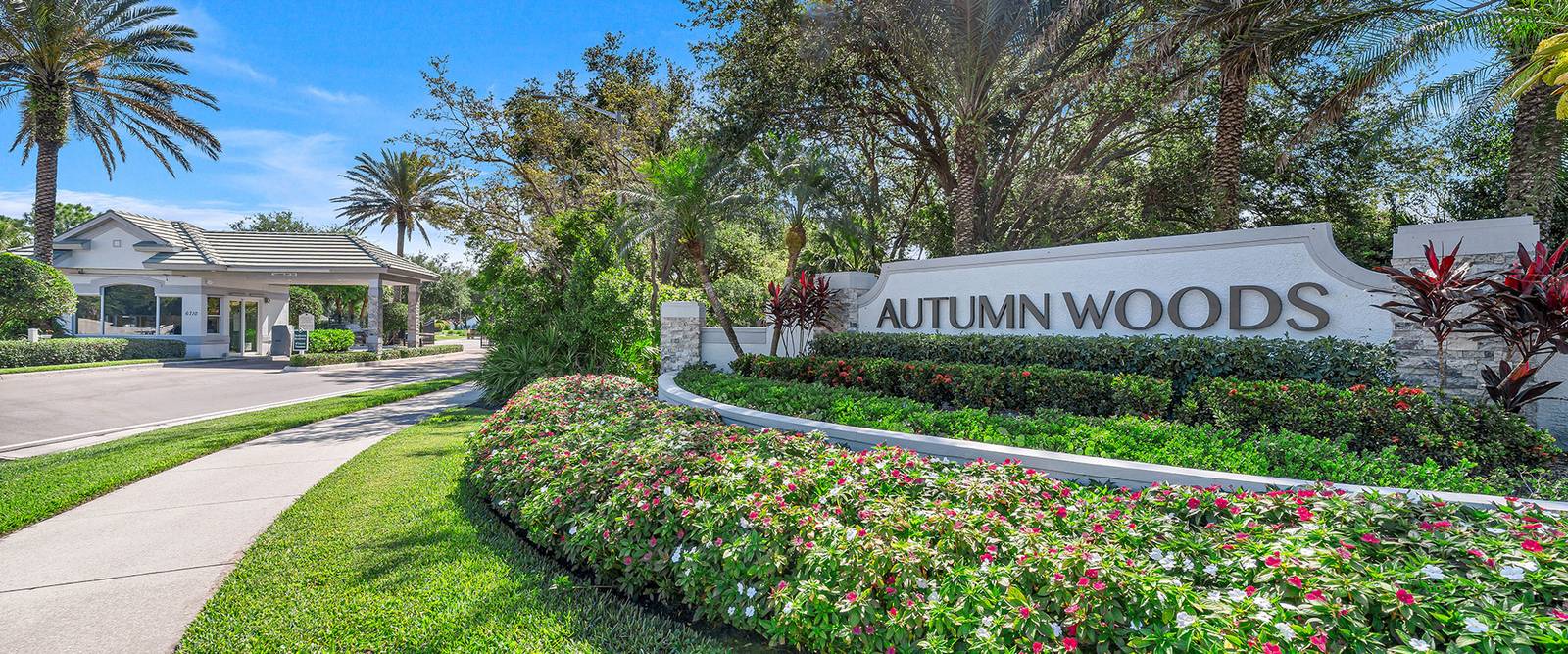
| Seminole Lakes and south US 41 | Gated golf-community routine with access to Burnt Store Road | Association and club costs plus a more suburban setting |
| East of downtown and Jones Loop | Airport and I-75 convenience, newer development, and faster regional travel | Less walkable connection to the harborfront core |
| Deep Creek | Planned inland community with golf and I-75 access | Outside the City of Punta Gorda despite common mailing and market overlap |
Deep Creek, Burnt Store Marina, and other nearby communities often appear in Punta Gorda searches but are not all inside city limits. City utility, tax, police, code, and recreation details should be checked against the parcel rather than the marketing label.
Housing and insurance
Punta Gorda's housing mix includes historic cottages, newer infill, downtown condos, golf-community homes, and a large canal-home inventory. The most important budget split is often waterfront versus inland.
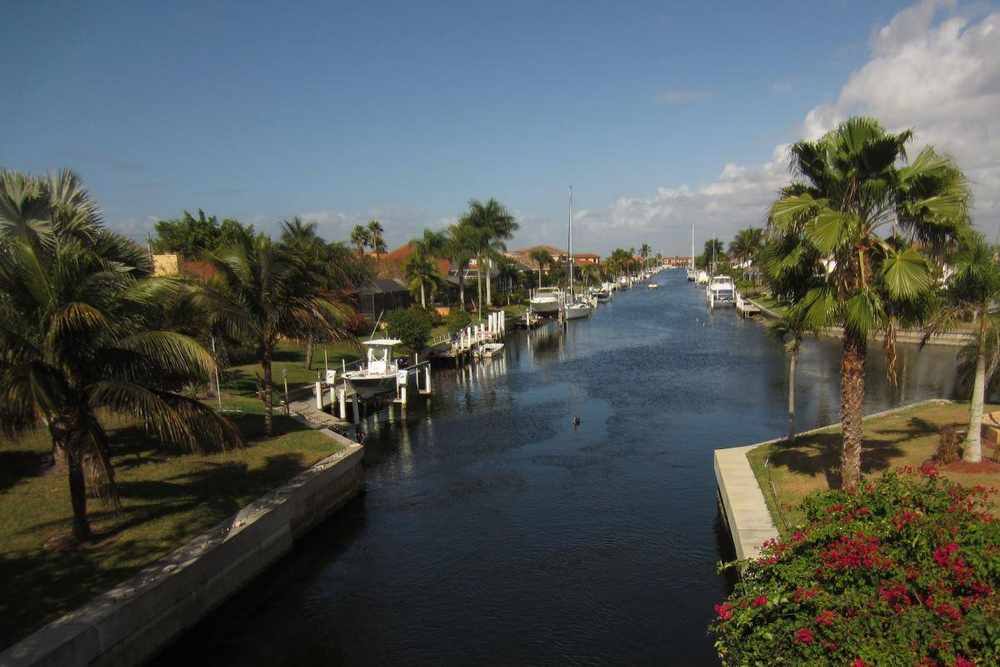
Canal buyers should inspect the seawall, dock, lift, utilities, canal depth, bridge clearance, and route to the harbor. Punta Gorda Isles and Burnt Store Isles have structured canal systems, but responsibility and condition remain property-specific. Downtown historic homes need close roof, elevation, electrical, plumbing, window, and permit review.
Condo and gated-community buyers should examine reserves, master insurance, special assessments, storm-repair history, club fees, and rental or pet rules. Use the Charlotte County Property Appraiser for parcel records and obtain address-specific homeowners, wind, and flood quotes before making the final area comparison.
Property taxes, Amendment 3 and residency
City residents pay City of Punta Gorda and Charlotte County taxes, while an outlying Punta Gorda mailing address may fall only under county and special-district charges. Charlotte County's countywide millage was 6.0394 mills for fiscal 2026, and the city levy, school taxes and non-ad valorem assessments for services such as canal maintenance are added on top. Florida has no personal state income tax. Check the exact parcel with the Charlotte County Property Appraiser.
Homestead: A full-time resident who owns and occupies the home can claim Florida's homestead exemption, worth up to about $50,000 today, and the Save Our Homes cap then limits yearly increases in assessed value. The seller's capped assessment does not transfer to the buyer, so model taxes on your purchase price.
Amendment 3: bigger homestead exemption from 2027
Florida voters approved Amendment 3 on Nov 3, 2026 with about 62 percent of the vote, above the 60 percent required. It raises the homestead exemption for non-school property taxes to $150,000 in 2027 and $250,000 in 2028, then indexes it to inflation. School taxes are not covered by the increase. For non-homestead property, including second homes and rentals, the cap on yearly assessment increases falls from 10 percent to 5 percent.
For anyone relocating, the key rule is timing: people who are not Florida residents on Dec. 31, 2026 begin with the existing exemption (about $50,000) and get the larger exemption starting in their fifth year of homestead. Lawmakers still have to pass implementing rules, so check how it applies to your purchase with the Charlotte County Property Appraiser.
Flood, storm, and insurance reality
Punta Gorda's relationship with Charlotte Harbor is both its greatest amenity and its largest physical risk. Recent hurricanes pushed surge into downtown and waterfront neighborhoods, so buyers should treat elevation and storm history as core property features.
Compare the FEMA flood map, county evacuation zone, elevation certificate, drainage, wind mitigation, and insurance quote. Ask what flooded, how high water reached, which repairs were permitted, and how quickly road and utility access returned. Charlotte County Emergency Management provides current evacuation and shelter information.
Healthcare
Punta Gorda currently has no operating hospital. The former ShorePoint Health Punta Gorda hospital closed after damage from the 2024 hurricanes. The nearest full-service hospitals are AdventHealth Port Charlotte and HCA Florida Fawcett Hospital, both across the Peace River in Port Charlotte. AdventHealth has announced plans for a freestanding emergency room in Punta Gorda; no opening date had been published as of November 2026.
Punta Gorda still has clinics, medical offices, rehabilitation and outpatient services, but a retiree with frequent hospital-based care should test the bridge trip from the exact neighborhood. Confirm primary care, specialists and network participation through Medicare Care Compare.
Retirement communities and senior living
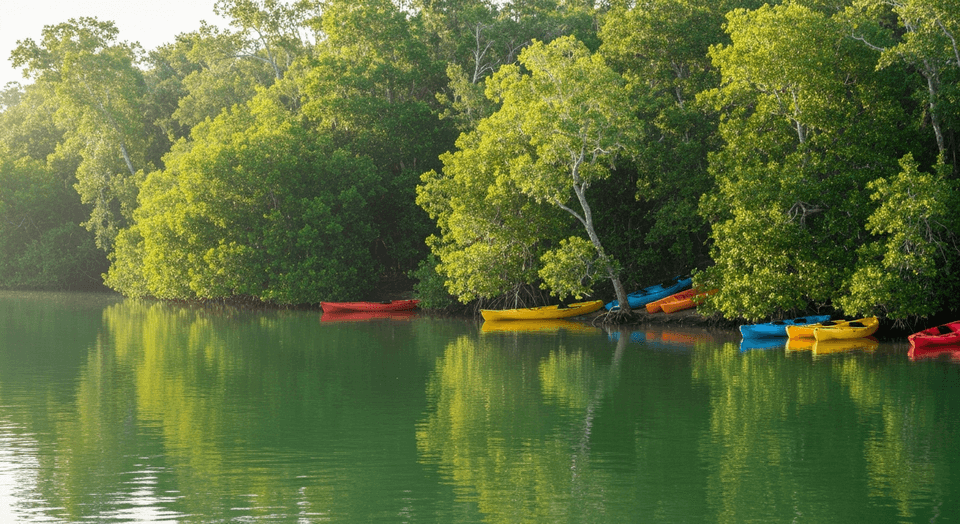
- Punta Gorda Isles and Burnt Store Isles: large canal-home neighborhoods with sailboat access to Charlotte Harbor. They are not age-restricted, but many residents are retirees.
- Burnt Store Marina: an age-targeted marina community of about 1,900 condos and homes south of the city, with its own large marina.
- Downtown condos: walkable to the Harborwalk, restaurants and the Saturday farmers market, with the condo-law obligations described above.
Senior services
- Area Agency on Aging for Southwest Florida: the Elder Helpline at 866-413-5337 connects residents 60 and older with in-home services, caregiver support and Medicare counseling.
- Charlotte County Aging and Adult Services: the county's Family Services Center in Port Charlotte (941-833-6500).
- Punta Gorda Airport (PGD): Allegiant's nonstop network makes trips to family in the Midwest and Northeast easy.
- Everyday life: the Harborwalk, Fishermen's Village, the Saturday farmers market at 227 Taylor St and the Sunday History Park Market. See our things to do in Punta Gorda.
Transportation and daily life
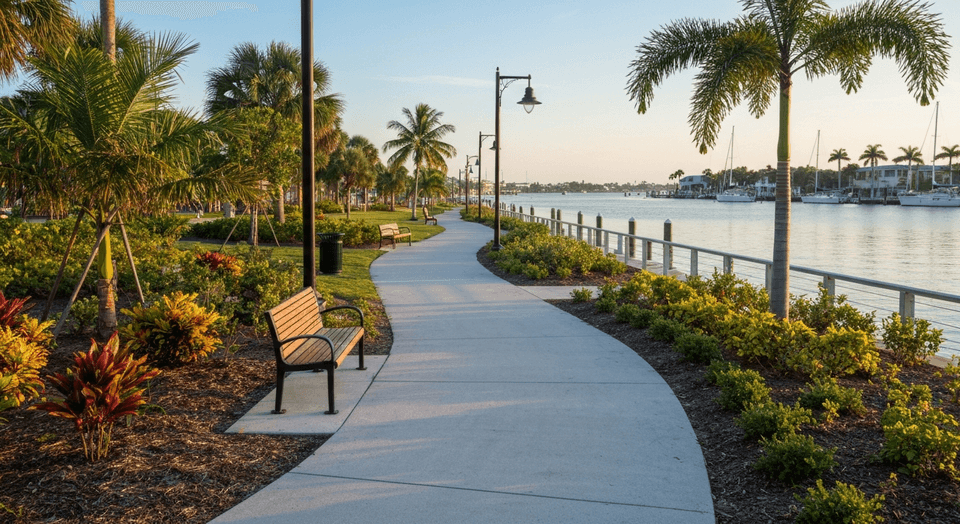
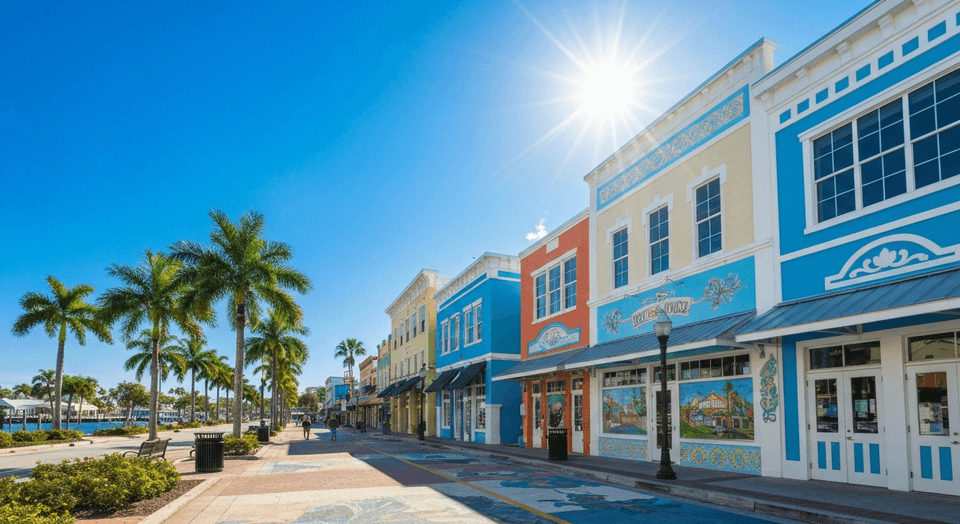
Punta Gorda has the area's best small-city walking and cycling network. Harborwalk links waterfront parks and destinations, while the US 41 multi-use route connects the historic core to southern neighborhoods. A car remains useful for groceries, hospital care, beaches, and regional shopping.
Punta Gorda Airport is a major convenience. Allegiant and Sun Country offer nonstop service to more than 50 destinations, with route frequency and seasonality varying. RSW and SRQ provide alternatives when PGD does not match the trip.
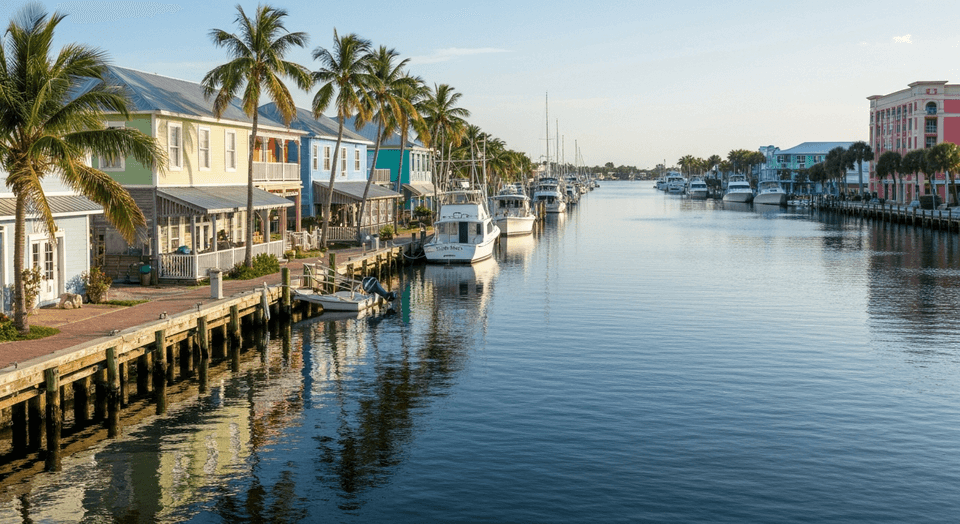
The harborfront routine includes Laishley Park, Gilchrist Park, Fishermen's Village, History Park, boating, fishing, and downtown events. Charlotte Harbor is not an open-Gulf beach, so beach days mean Englewood, Boca Grande, Venice, or farther south. Explore the city through our Punta Gorda things-to-do guide, downtown Punta Gorda guide, and Punta Gorda restaurant guide.
Pros and cons
Reasons Punta Gorda works
- Walkable and bike-friendly waterfront core
- Strong boating and canal-home lifestyle
- Active community events and local civic identity
- Close low-cost airport service
- Less sprawling than many Southwest Florida retirement markets
Reasons it may not
- No full-service hospital inside the city
- Significant surge and flood exposure near the harbor
- No open-Gulf beach in town
- Canal and historic homes can carry substantial maintenance
- Limited big-city arts, shopping, and specialist depth
Scouting plan
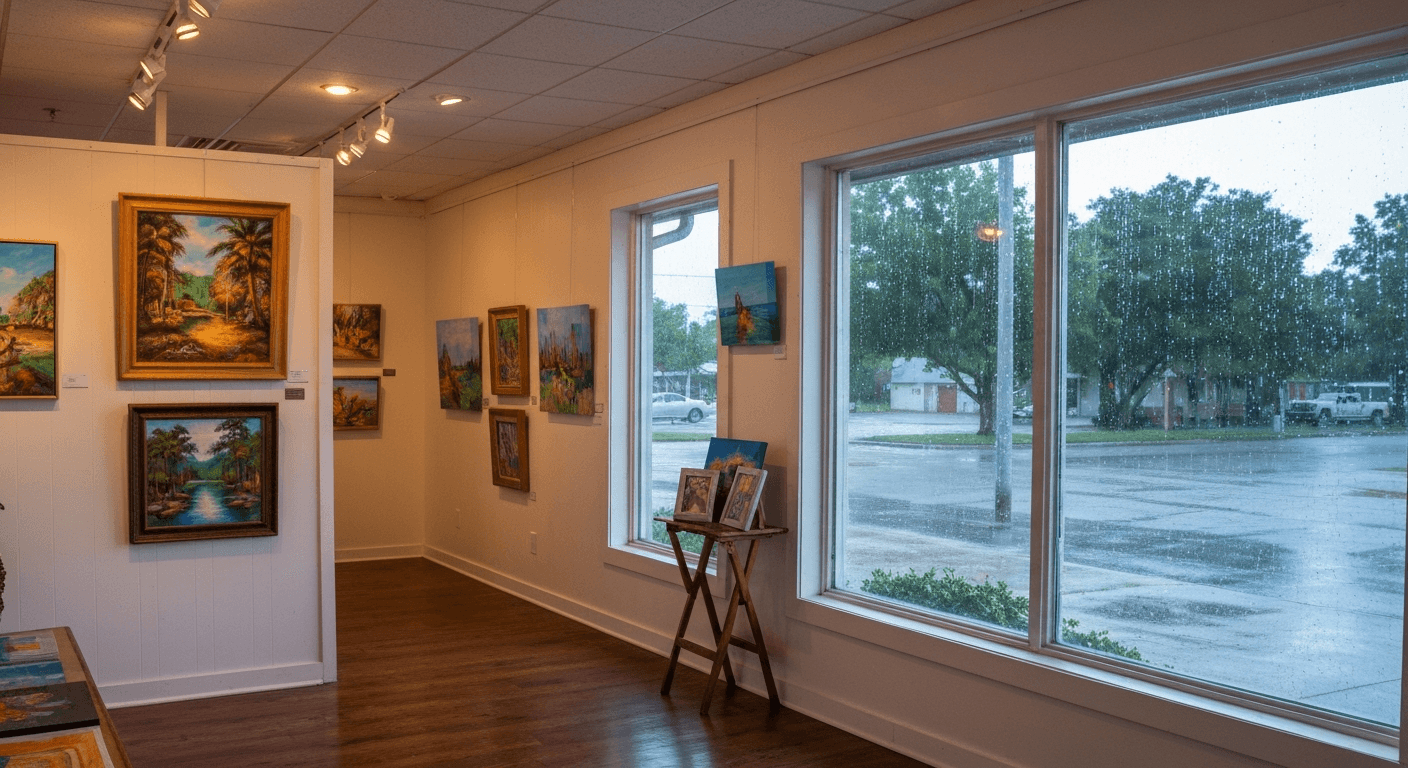
Stay downtown or in Punta Gorda Isles and live without a tourism itinerary. Walk Harborwalk, shop for groceries, drive to both Port Charlotte hospitals, visit PGD, and test the nearest evacuation route. Compare the same routine from Burnt Store Isles or Deep Creek if those areas are finalists. Tour after heavy rain and return during summer heat before choosing waterfront life year-round.
Official sources
- City of Punta Gorda
- Charlotte County owner resources and hospital status
- AdventHealth Port Charlotte
- HCA Florida Fawcett Hospital
- Punta Gorda Airport
- Charlotte County Emergency Management
- Charlotte County Property Appraiser
- Florida Department of Revenue property tax
- Florida Office of Insurance Regulation
- FEMA Flood Map Service Center
- Medicare Care Compare
Area and service details reflect official information available July 30, 2026.