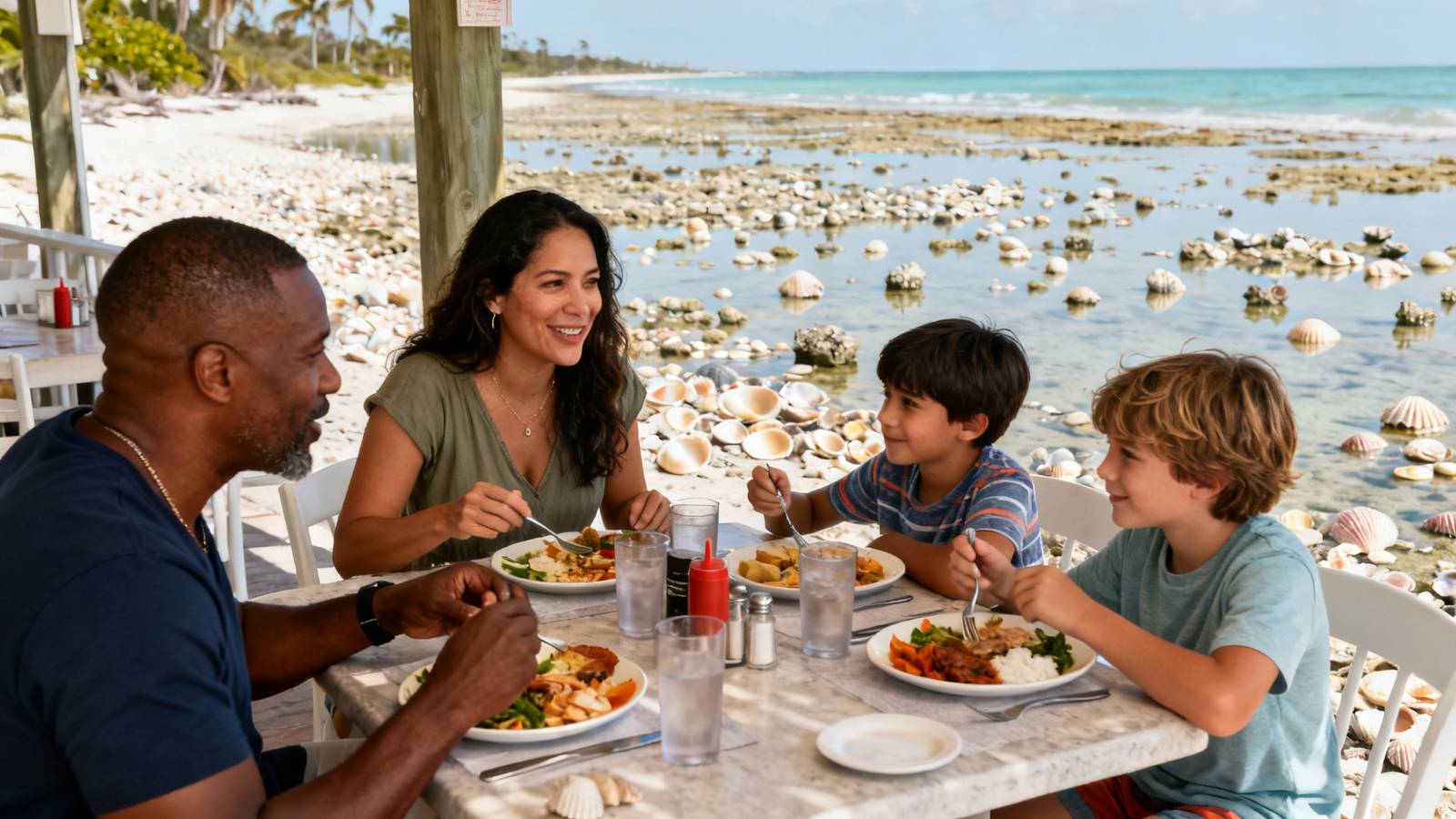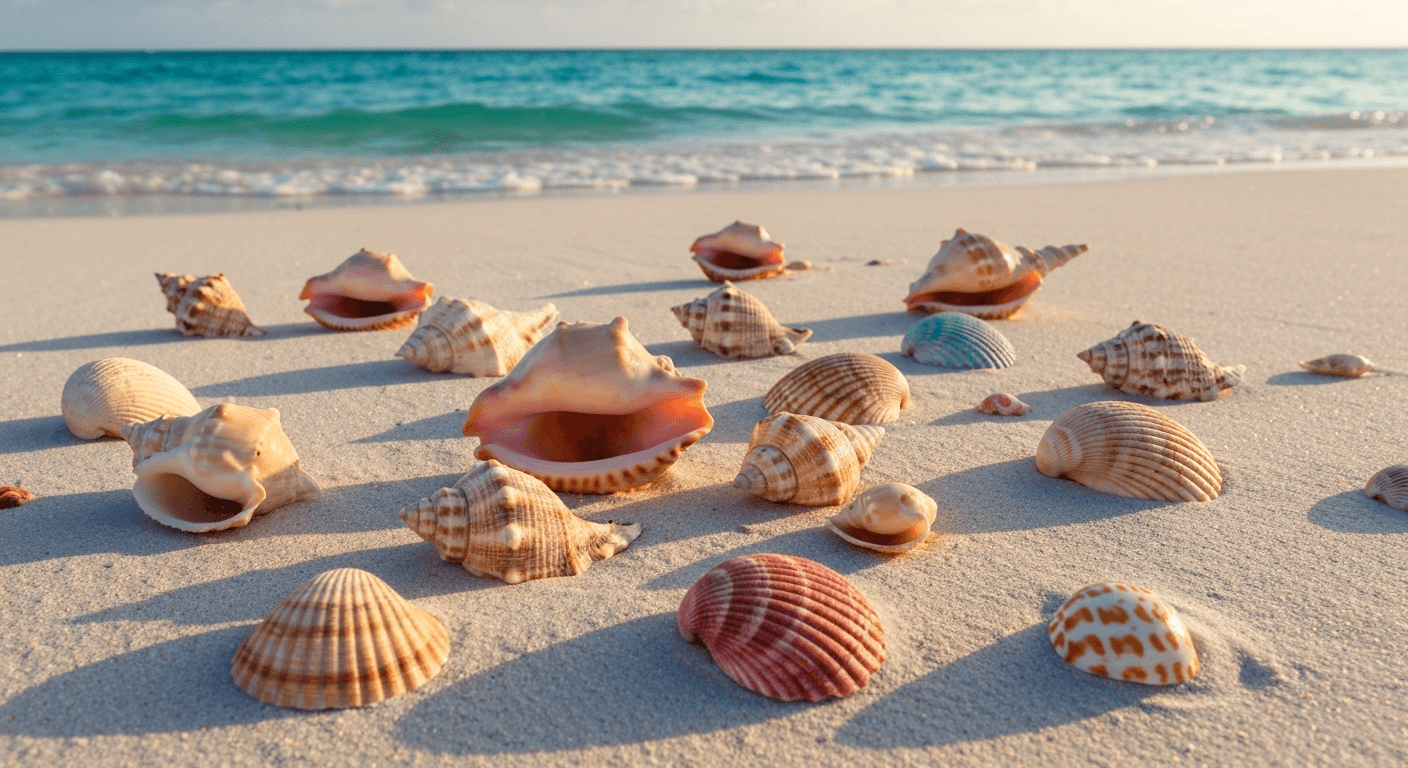
Sanibel Island is the shelling capital of the world, and that is not marketing hyperbole. The island's unique east-west orientation acts like a giant scoop, catching shells swept along the Gulf of Mexico's currents and depositing them on its beaches in extraordinary concentrations. Collectors travel from across the globe to do the famous "Sanibel Stoop" - bent at the waist, scanning the shoreline for lightning whelks, alphabet cones, and the elusive junonia. On a single low-tide morning at Bowman's Beach, you can find more shells in one walk than most Florida beaches produce in a season.
This guide covers everything you need to know for a successful shelling trip to Sanibel Island in 2026 - the best beaches ranked by shell quality, the ideal timing for low tide, the shells you will actually find, the rules you must follow, and tours that take you to remote islands where the shelling is even better.
This article contains affiliate links. If you book through our links, we may earn a small commission at no extra cost to you. This helps support our local content.
For the full island experience, pair this guide with our best beaches on Sanibel, things to do in Sanibel, and best Sanibel tours and shelling excursions.
Why Sanibel Is the Shelling Capital of the World
Most barrier islands along the Gulf Coast run north-south, parallel to the mainland. Sanibel is different. It juts out east-west, perpendicular to the coastline, creating a natural trap for the millions of shells that drift along the shallow continental shelf. The Gulf of Mexico's gentle slope - one of the shallowest continental shelves in the world - allows shells to travel intact over great distances instead of being smashed against steep drop-offs. By the time those shells reach Sanibel's south-facing beaches, they arrive in remarkable condition.
This geological advantage has made Sanibel a shelling destination for thousands of years. The Calusa people, who inhabited Southwest Florida more than 2,500 years ago, repurposed shells into tools, weapons, and ornaments. Their towering shell mounds on Sanibel once marked territories, dwellings, and sacred burial sites. Modern shell collecting on the island dates back to the late 1800s, and the tradition has only grown since.
The shelling is so legendary that Sanibel has its own posture named after it. The "Sanibel Stoop" describes the bent-over stance that shell hunters adopt while combing the waterline at dawn, shuffling slowly through ankle-deep water like human metal detectors. You will see dozens of people doing it every morning, and within five minutes, you will be doing it too.
Best Shelling Beaches on Sanibel Island (Ranked)
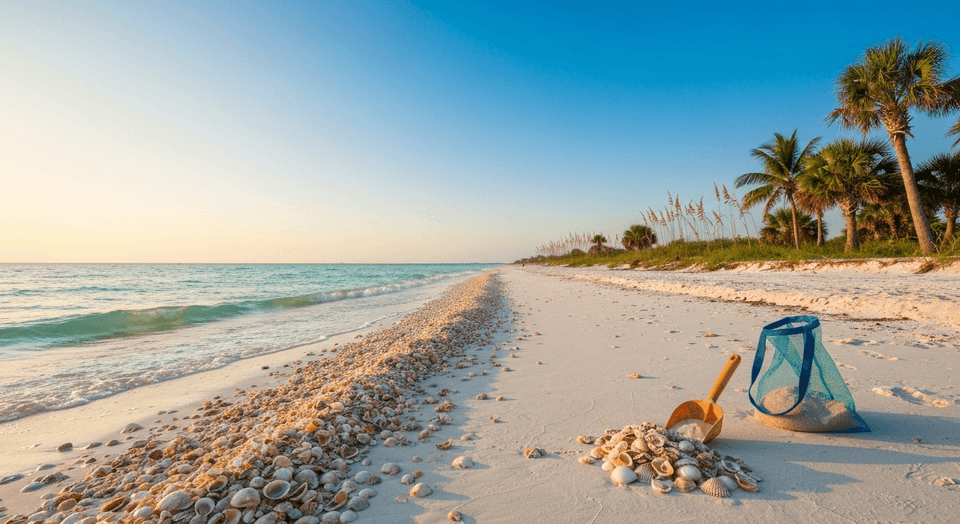
Not every Sanibel beach delivers the same shelling experience. Some are thick with shell beds, while others are better for swimming or sunsets. Here are the top beaches ranked by shell quality, with practical details on parking and access.
1. Bowman's Beach - Best Overall Shelling
Bowman's Beach is the premier shelling destination on Sanibel, and most experienced collectors consider it the best shelling beach in all of Florida. The beach sits on the island's western end, facing south into the Gulf, and receives heavy shell deposits carried by longshore currents.
What makes Bowman's special is both the quality and quantity of shells. The shell beds here are wide and deep - not just a thin line at the waterline, but layers stretching back from the surf. Lightning whelks, fighting conchs, scallops, cockles, murex shells, tulips, and olive shells are common finds. After storms, the variety can be extraordinary.
Access and parking: Bowman's Beach is located at 1700 Bowman's Beach Road. Parking is $5 per hour (Lee County Annual Parking Stickers accepted). The beach is a 10-minute walk from the lot, following a marked trail through coastal vegetation, over a footbridge, and past the dunes. This walk filters out casual beachgoers, which means fewer people competing for shells. Bring water - there are restrooms and outdoor showers but no food concessions beyond a vending machine.
Pro tip: Walk left (west) from the beach access point. The farther you go from the main path, the fewer people you encounter and the more untouched the shell beds become.
2. Blind Pass Beach - Best for Rare Finds
Blind Pass Beach sits at the bridge connecting Sanibel to Captiva Island, and the strong tidal currents that surge through the pass create exceptional shelling conditions. Shells from both the Gulf and Pine Island Sound funnel through this narrow channel and deposit on the beach. Many experienced shellers consider Blind Pass the best spot for rare and intact specimens.
The currents here can be strong - swimming is not recommended - but the shelling is outstanding. Alphabet cones, banded tulips, and lettered olives turn up regularly. The rocky areas near the bridge also produce sea urchins and small conchs.
Access and parking: Limited parking at Turner Beach on the Captiva side of the bridge. Arrive early on weekends or during peak season (December through April) or you will not find a spot. Free street parking fills fast.
3. Lighthouse Beach Park - Best for Beginners
Located at the eastern tip of Sanibel, Lighthouse Beach Park is where many visitors have their first shelling experience. The 1884 Sanibel Lighthouse provides a scenic backdrop, and the beach wraps around the point, offering shoreline on both the Gulf side and the calmer San Carlos Bay side.
The Gulf-facing shore produces the most shells, but the bay side is excellent for smaller specimens like coquinas, kitten's paws, and periwinkles. The gently sloping beach and calm waters make this an ideal spot for families and first-time shellers.
Access and parking: Parking is $5 per hour at the Lighthouse Beach lot on Periwinkle Way at the island's eastern end. The lot fills by 9 a.m. during peak season. The beach is a short walk from the parking area, with restrooms and a fishing pier on site.
4. Algiers Beach (Gulfside City Park) - Best for Solitude
Often overlooked by visitors who flock to Bowman's and Blind Pass, Algiers Beach at Gulfside City Park offers a quieter shelling experience. The shell variety is more modest, but you may have stretches of beach entirely to yourself - which means the shells that wash up have not been picked over by the time you arrive.
This beach works best for shellers who value solitude over volume. Delicate specimens that get trampled at busier beaches survive here, including intact kitten's paws and tiny cerith shells.
Access and parking: Located on Algiers Lane off Casa Ybel Road. Parking is limited but rarely full. A short nature trail leads to the beach.
5. Tarpon Bay Beach - Best Combined Experience
Tarpon Bay Beach offers solid shelling along with kayak access to J.N. "Ding" Darling National Wildlife Refuge. The shell deposits are lighter than Bowman's or Blind Pass, but the combination of shelling, kayaking, and wildlife viewing makes it a great half-day destination.
Access and parking: Located off Tarpon Bay Road near the Tarpon Bay Explorers outpost. Parking is available at the beach access point.
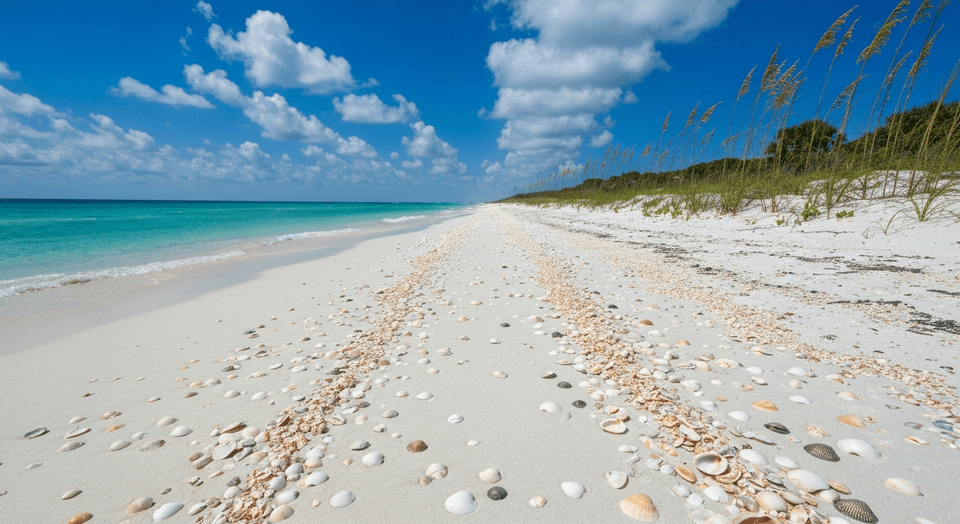
Book a beachfront resort for early morning shelling access
Browse Sanibel Hotels →
Best Time for Shelling on Sanibel
Timing is everything when it comes to shelling. The difference between a mediocre outing and a spectacular one often comes down to when you show up.
Low Tide Is Non-Negotiable
The single most important factor for shelling success is the tide. At low tide, the waterline retreats and exposes shell beds that are completely submerged during high tide. Arrive one to two hours before low tide for the freshest deposits - shells that washed in with the last high tide and are now sitting exposed for the first time.
Check the NOAA tide chart for Sanibel Island before you go. Bookmark it on your phone. Plan your entire beach day around it.
Best Months for Shelling
The cooler months from October through April consistently produce the best shelling on Sanibel. Cold fronts moving through the Gulf generate wave action that pushes shells onto the beach. The strongest cold fronts - typically November through March - create the biggest shell deposits.
Winter also brings lower tides. October and November feature some of the lowest tides of the year, exposing shell beds that remain submerged during summer months.
Summer shelling is still productive (Sanibel's orientation works year-round), but the deposits are generally lighter and the competition from tourists is heavier.
After Storms
The day after a Gulf storm passes is the single best time to go shelling on Sanibel. Strong winds and wave action churn up shells from the ocean floor and push them ashore in massive deposits. After significant storms, Bowman's Beach can be carpeted in shells several inches deep.
You do not need a hurricane for this effect. A standard winter cold front with 15-20 mph winds from the northwest will produce excellent post-storm shelling the following morning.
Dawn Patrol
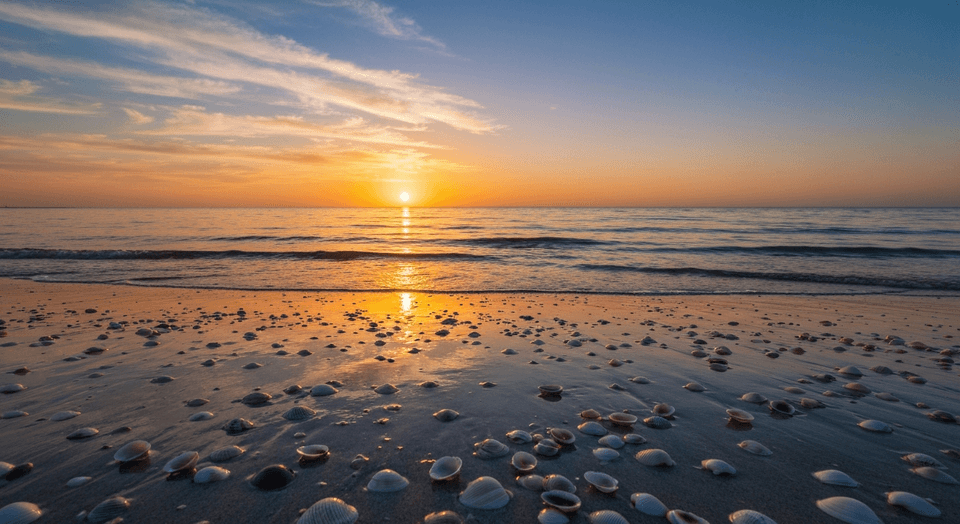
Early morning - ideally before 7 a.m. - gives you first pick of whatever the overnight tides deposited. On Sanibel, serious shellers treat dawn like a competition. The early risers get the junonias. If low tide coincides with sunrise, that is the perfect storm for shelling.
Shells You Can Find on Sanibel Island
Over 400 species of shells have been documented on Sanibel's beaches. Here are the ones you are most likely to find, organized from common to rare.
Common Shells (You Will Find These)
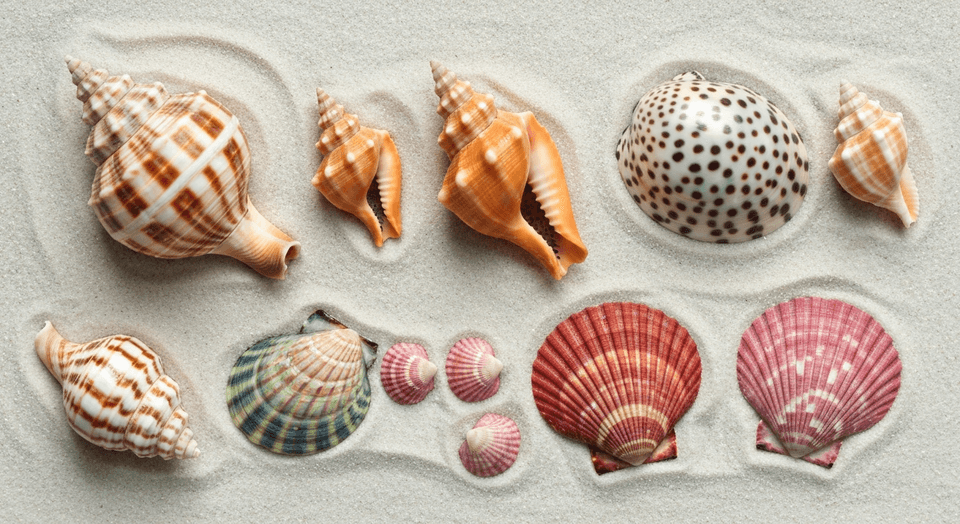
Fighting Conch - One of the most recognizable shells on Sanibel, the Florida fighting conch features a stout, heavy spiral shape ranging from 2 to 4 inches. Colors vary from brown and tan to stunning purplish-pink and vibrant orange. Look for them in shallow water and along the tide line.
Lightning Whelk - Florida's left-handed shell. Nearly all similar species spiral to the right, but the lightning whelk spirals to the left, making it instantly identifiable. These large shells (up to 16 inches) range from grayish-white to tan with distinctive brown or purplish "lightning bolt" stripes. The lightning whelk is a Sanibel icon.
Banded Tulip - A smooth, spindle-shaped shell with elegant purplish-brown spiral bands on a cream background. Typically 2 to 4 inches. These are common in the surf line and shell banks at Bowman's Beach.
Scallop - The fan-shaped scallop is one of the most frequently found shells on Sanibel. Look for calico scallops (small, colorful) and lion's paw scallops (larger, with pronounced ribs). Once you know the shape, you will spot them everywhere.
Cockle - Heart-shaped when viewed from the side, cockles are common on Sanibel but rare on many other Florida beaches. The giant Atlantic cockle can be 3-5 inches across.
Coquina - Tiny, colorful bivalves (usually under an inch) that come in rainbow patterns of pink, yellow, purple, blue, and orange. Children love collecting these. You will find thousands of them at Lighthouse Beach.
Intermediate Shells (Look Harder)
Alphabet Cone - Named for the brown and orange markings that resemble letters of the alphabet. The alphabet cone has a low, concave spire and spiral rows of orange dots, dashes, and checks. A prized find for any collection.
Lettered Olive - A glossy, cylindrical shell with zigzag brown markings on a cream background. These polished shells look almost lacquered. Search in the wet sand just below the tide line.
Lace Murex - An ornate shell with frilly, wing-like projections along each whorl. Finding an intact lace murex with all its delicate spines is a real accomplishment.
Kitten's Paw - A tiny shell (1 to 1.5 inches) with a wavy, scalloped edge and irregular ribs that resemble a miniature cat's paw. White to cream-colored. These are easy to miss if you are not looking for them.
Horse Conch - Florida's official state shell and the largest shell found in the state, growing up to 24 inches. Finding a large, intact horse conch on the beach is uncommon but not impossible, especially after storms.
Rare Shells (The Holy Grails)
Junonia - The single most coveted shell on Sanibel Island. The junonia is a medium to large gastropod (2 to 6 inches) with a smooth, glossy, creamy-white body covered in evenly spaced rows of distinctive brown or yellowish-brown square spots. Finding a junonia is so rare and celebrated that the Sanibel newspaper used to publish photos of lucky finders. Most junonias are found a foot or more beneath the sand surface, closer to the dunes rather than at the waterline. Dig carefully in areas where other shells are concentrated.
Scotch Bonnet - A rounded, dome-shaped shell with a checkered pattern of brown squares on white. This is the state shell of North Carolina, but specimens occasionally wash up on Sanibel after major storms.
Lion's Paw - A large, deep-cupped scallop with pronounced knobby ribs. Finding a complete, brightly colored lion's paw on the beach is exceptionally rare and worth celebrating.
Shelling Rules and Etiquette
Sanibel takes its shells seriously, and the rules are strictly enforced. Understanding and following them is not optional - it is the law.
The Live Shelling Ban
Taking live shells is illegal on Sanibel Island. This has been the law since January 1, 1995, when Sanibel petitioned the Florida Fish and Wildlife Conservation Commission to establish a complete ban on live shelling. The rule later expanded throughout Lee County in 2002.
A "live shell" is any specimen containing an inhabitant, whether or not the organism appears alive. This includes:
- Shells with a living mollusk inside
- Sand dollars that are dark-colored (alive) rather than white (dead)
- Sea stars and sea urchins
- Any shell where you can see or feel movement
The penalty: Violators face up to a $500 fine or 60 days in jail for a first offense. Rangers patrol the beaches, and fellow shellers will call out violations. If you are unsure whether a shell is alive, put it back.
How to Tell If a Shell Is Alive
- Smell it. Dead shells do not smell. A strong ocean or fishy smell means something is living inside.
- Look for movement. Gently place the shell right-side-up and wait 30 seconds. If a foot extends or the shell moves, it is alive.
- Check sand dollars. White sand dollars are dead and collectible. Dark purple, brown, or green sand dollars are alive - leave them on the beach.
- Check the operculum. Many gastropods have a small, hard "door" (operculum) covering their opening. If the operculum is firmly attached and the shell feels heavy for its size, an animal is likely inside.
Additional Rules
- No shelling at J.N. "Ding" Darling National Wildlife Refuge. Shell collecting of any kind is prohibited within the refuge boundaries.
- Two-gallon limit. While Sanibel does not have an official volume limit for dead shells, Florida regulations limit personal collection to two gallons per person per day.
- Leave it better. If you see live shells that have been removed from the water, toss them back in. If you see trash, pick it up.
Shelling Etiquette
- Do not pile shells for later retrieval. Take what you want as you find it.
- Give other shellers space. Do not crowd someone who has found a productive spot.
- Share the experience. If you find something remarkable, point it out to nearby collectors - the shelling community on Sanibel is generous and enthusiastic.
Bailey-Matthews National Shell Museum
No shelling trip to Sanibel is complete without a visit to the Bailey-Matthews National Shell Museum, the only museum in North America devoted entirely to shells and mollusks. Located at 3075 Sanibel-Captiva Road, the museum houses an extraordinary collection of specimens from around the world and is the best place to learn shell identification before hitting the beach.
What to See
The museum features dozens of exhibits covering shell biology, ecology, and identification. Highlights include:
- The Great Hall of Shells - Floor-to-ceiling displays organized by species and region
- Living Gallery Aquarium - A 2,500-square-foot aquarium wing with live mollusks, seahorses, corals, and other marine life in 30+ tanks
- Shell identification station - Bring your beach finds and the museum staff will help you identify them
- Calusa shell artifacts - Displays showing how indigenous people used shells as tools and art
Practical Details
- Hours: Open daily 10 a.m. to 5 p.m.
- Admission: $15 adults, $9 children (ages 5-13) and seniors. Free for children under 5. Free for active-duty military and families from Memorial Day through Labor Day.
- Phone: (239) 395-2233
- Website: shellmuseum.org
- Time needed: Plan for 1.5 to 2 hours
Shell Identification Tips
Visit the museum before your shelling excursion, not after. Understanding what you are looking for dramatically increases your success rate. The museum's shell guide (available on their website) is an excellent reference to save on your phone for beach use.
Guided Shelling Tours and Boat Excursions
While Sanibel's beaches offer world-class shelling you can do on your own, guided tours take you to remote barrier islands where the shells are even more abundant and untouched. These tours are especially valuable if you are visiting for just a few days and want to maximize your finds.
Boat Tours to Cayo Costa State Park
Cayo Costa is an uninhabited barrier island north of Captiva that is accessible only by boat. With no roads, no bridges, and very few visitors, the shelling on Cayo Costa rivals or exceeds Sanibel's best beaches. Several operators run shelling excursions from the Sanibel/Captiva area:
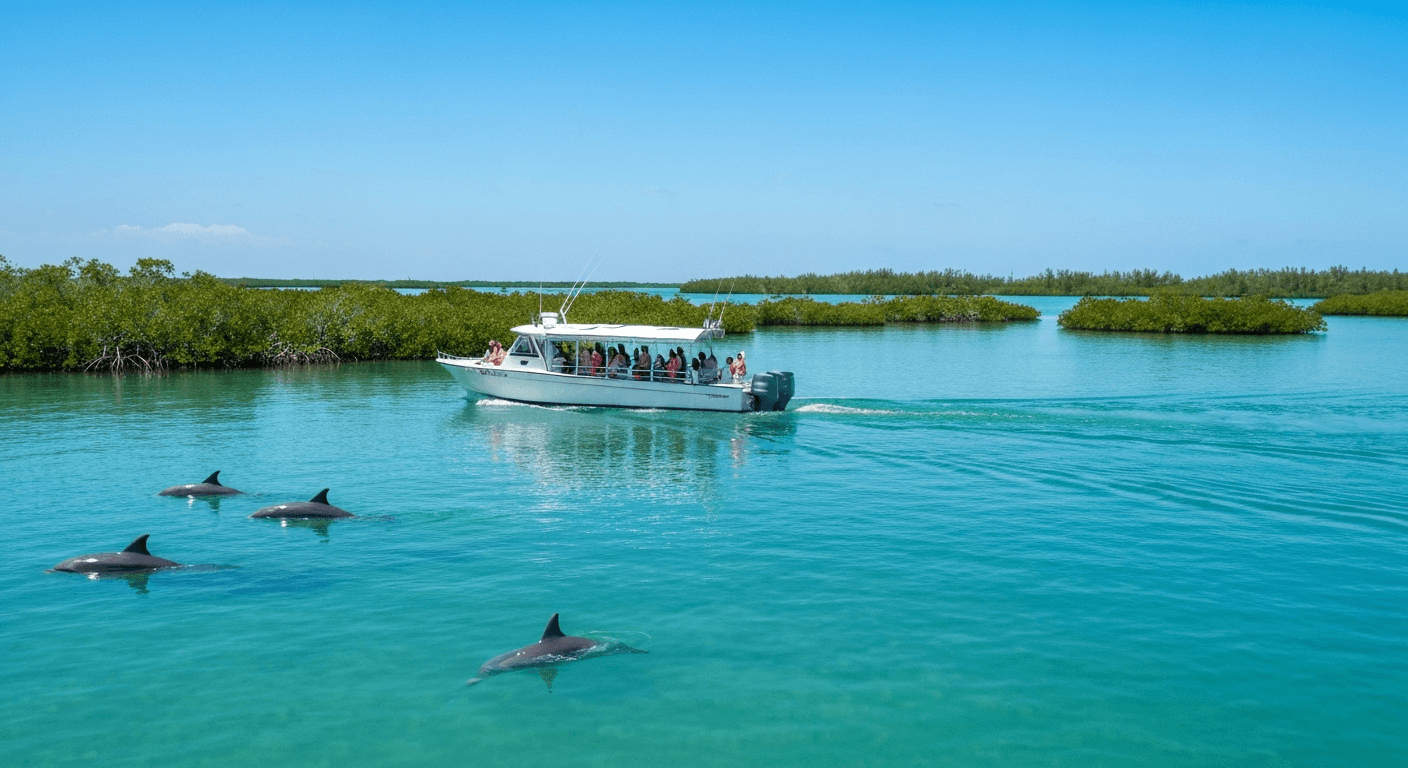
Adventures in Paradise offers a Cayo Costa Shelling and Beach Cruise that includes a boat ride through Pine Island Sound with dolphin watching, two to three hours of beach time on Cayo Costa for shelling, and a picnic lunch. Full-day trips provide four hours on the island for shelling, kayaking, and exploring.
Captiva Cruises has been running shelling excursions for over 30 years. Their half-day trip to southern Cayo Costa includes two hours of shell searching, and their full-day trip to northern Cayo Costa offers four hours on the island.
Private Shelling Charters
For a more personalized experience, private charters let you visit multiple islands and spend as much time as you want at each stop. Captain-guided trips typically depart from McCarthy's Marina or other Sanibel-area marinas and can include Cayo Costa, North Captiva, Cabbage Key, and remote sandbars.
Private charters run $300-600 for a half-day trip accommodating 4-6 passengers. Split among a group, this is a reasonable cost for access to some of the best shelling in the world.
What to Know About Shelling Tours
- Book at least a week in advance during peak season (January through April)
- Morning departures are better - calmer seas and lower tides
- Bring your own mesh bag or bucket, sunscreen, water, and a hat
- Most tours provide shell identification guidance from the captain
Guided shelling excursions to Sanibel, Captiva, and Cayo Costa
Browse Shelling Tours →
Post-Hurricane Ian: Shelling Conditions in 2026
Hurricane Ian devastated Sanibel Island in September 2022, destroying the causeway, flooding homes, and reshaping the beaches. Hurricanes Milton and Helene caused additional disruption in 2024. Naturally, visitors ask: is the shelling still good?
The answer is a definitive yes. While the hurricanes reshaped some beach profiles, the geological forces that make Sanibel a world-class shelling destination - its east-west orientation, the shallow continental shelf, the Gulf currents - are unchanged. The shells continue to arrive.
Beach renourishment projects have been conducted carefully to preserve shelling conditions, with sand added above the waterline so that natural shell deposits remain accessible at the surf line. Bowman's Beach, Blind Pass, and Lighthouse Beach have all returned their signature shell abundance.
The New York Times named Sanibel and Captiva among their 52 Places to Go for 2026, citing the island's remarkable recovery. By late 2025, over 72% of member businesses on the island had reopened, including legacy restaurants, shops, and resorts. The causeway has been rebuilt, beaches are open, and the shelling is as extraordinary as ever.
Essential Shelling Tips and What to Bring
Gear
- Mesh bag or bucket - A mesh bag lets sand and water drain as you collect. A bucket works but gets heavy fast.
- Scoop or sand sifter - A small garden rake or mesh-bottom scoop helps you sift through shell piles and dig for buried specimens.
- Water shoes - Broken shells are sharp. Wear shoes you can walk in wet sand with. Flip-flops work but water shoes are better.
- Headlamp or flashlight - If you are shelling at dawn before sunrise (and you should be), you need light.
- Zip-lock bags - For separating delicate finds from larger shells that might crush them.
- Phone with tide app - Check the NOAA tide tables for Sanibel. The "Tides Near Me" app is popular with locals.
- Sunscreen and hat - You will be out longer than you expect.
Technique
- Wade, do not just walk the dry sand. The best shells are in 2-6 inches of water at the tide line.
- Shuffle your feet. This exposes partially buried shells and also alerts stingrays to your presence so they move away.
- Look for shell hash lines. Where the tide has deposited a line of broken shell fragments, intact shells are usually nearby.
- Check after each wave. Every retreating wave exposes new shells for a few seconds before the next wave covers them.
- Dig near shell concentrations. If you find a cluster of shells on the surface, dig 6-12 inches below them. Larger, rarer shells often settle deeper.
- Walk the wrack line. The line of seaweed and debris left by the previous high tide often holds shells that were carried up the beach and left behind as the water receded.
Planning Your Sanibel Shelling Trip
Getting There
Sanibel Island is accessed via the Sanibel Causeway from the mainland (Fort Myers/Cape Coral area). The causeway toll is $6 per vehicle. Southwest Florida International Airport (RSW) is approximately 30 minutes from the causeway entrance.
Where to Stay
Staying on Sanibel gives you the critical advantage of early morning beach access before day-trippers arrive. The first shells of the morning go to island guests. See our best resorts on Sanibel Island guide for detailed recommendations.
For a broader view of the area, check out our Southwest Florida beaches guide covering the entire coastline from Sarasota to Marco Island.
Combine With Other Activities
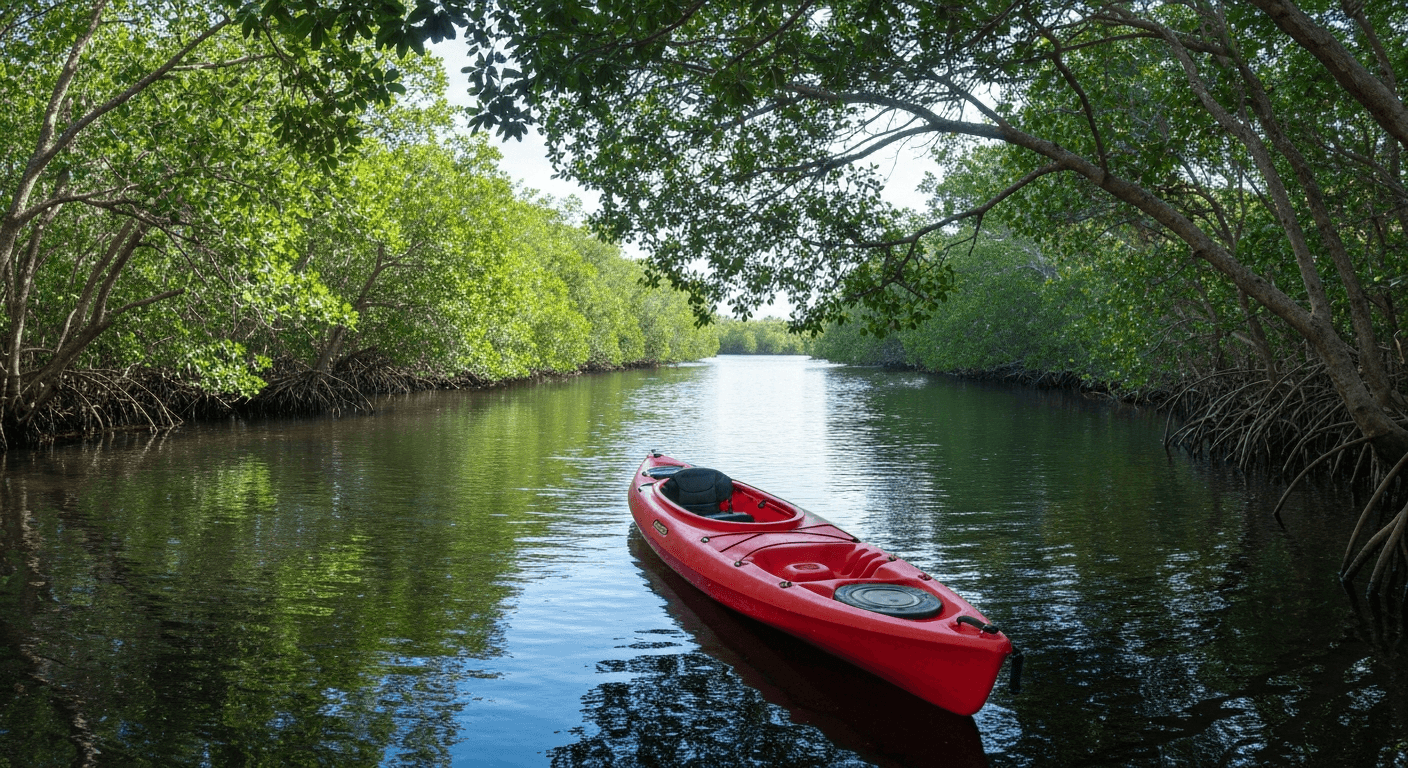
Sanibel is far more than shells. Between shelling sessions, explore J.N. "Ding" Darling National Wildlife Refuge, kayak through mangrove tunnels, bike the island's 25 miles of shared-use paths, or sample the island's best restaurants. The Bailey-Matthews Shell Museum pairs perfectly with a morning of beachcombing.
Tours, wildlife cruises, kayaking, and more on Sanibel and Captiva
Browse Sanibel Tours →
Frequently Asked Questions
What is the best beach for shelling on Sanibel Island?
Bowman's Beach is widely considered the best shelling beach on Sanibel Island and one of the best in the United States. Its location on the island's western end catches heavy Gulf shell deposits, and the 10-minute walk from the parking lot keeps crowds manageable. Blind Pass Beach is a close second, particularly for rare and intact specimens deposited by the strong tidal currents between Sanibel and Captiva.
What is the best time of day to go shelling on Sanibel?
The best time is at low tide, ideally arriving one to two hours before the tide reaches its lowest point. Dawn is optimal because you get first pick of overnight shell deposits before other collectors arrive. Check the NOAA tide chart for Sanibel and plan your beach visit around low tide, regardless of what time of day it falls.
Can you take shells from Sanibel Island?
You can take empty, dead shells from Sanibel's beaches. However, taking live shells - any shell with a living organism inside - is illegal and has been since 1995. Violators face fines up to $500 or 60 days in jail. Sand dollars, sea stars, and sea urchins are also protected. When in doubt, leave it on the beach.
What is the rarest shell to find on Sanibel?
The junonia is the most prized and rarest shell found on Sanibel Island. It features a creamy white body with distinctive rows of brown square spots. Junonias are typically found buried several inches below the sand surface rather than lying on top. Finding one is rare enough that the local newspaper traditionally published photos of lucky finders.
What is the Sanibel Stoop?
The "Sanibel Stoop" is the affectionate name for the bent-over posture that shell collectors adopt while scanning the sand for shells. On any given morning, you will see rows of people stooped at the waist along the waterline, shuffling slowly through the surf. It is a Sanibel tradition and a rite of passage for every visitor.
Is shelling on Sanibel still good after Hurricane Ian?
Yes. While Hurricane Ian (2022) and subsequent storms reshaped some beach profiles, Sanibel's shelling conditions have recovered well. The geological factors that make Sanibel a world-class shelling destination - its east-west orientation, shallow continental shelf, and Gulf currents - are permanent. Beach renourishment was done carefully to preserve natural shelling conditions. Bowman's Beach, Blind Pass, and Lighthouse Beach all continue to produce excellent shell finds.