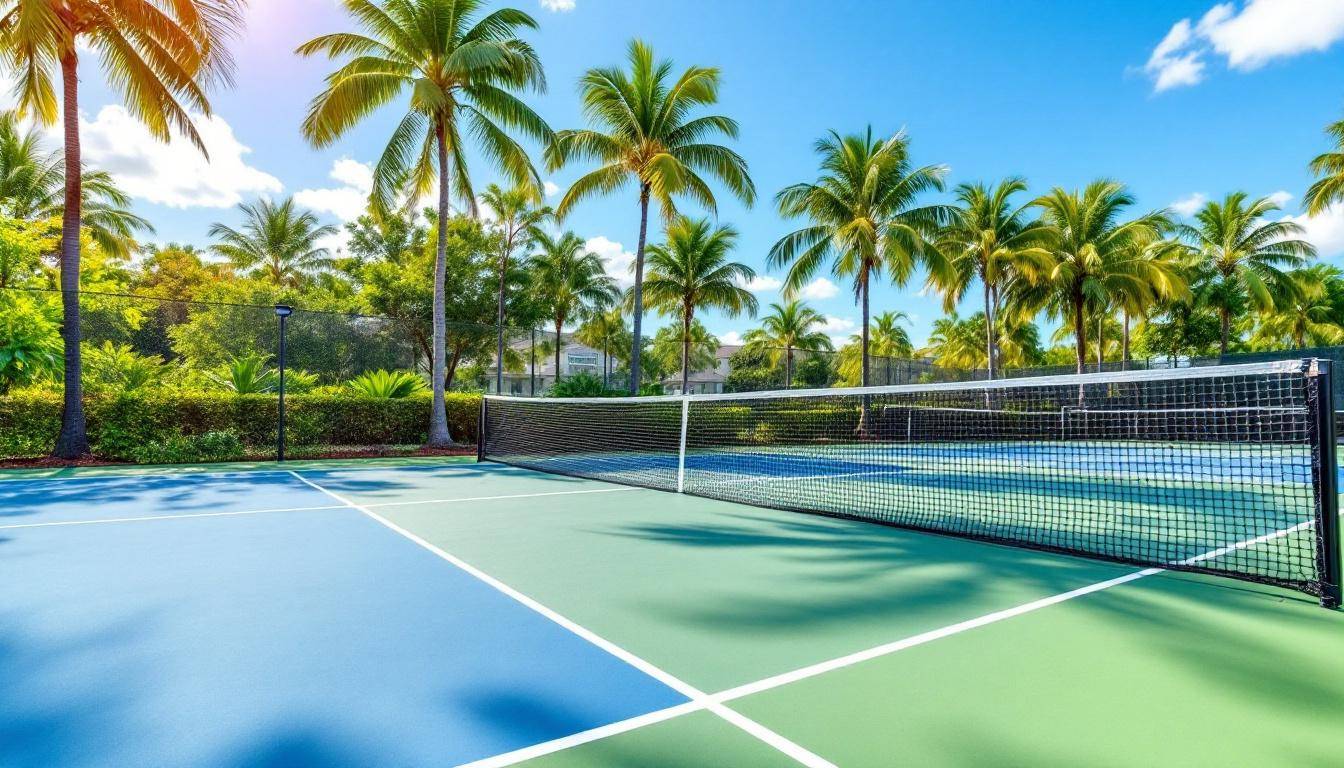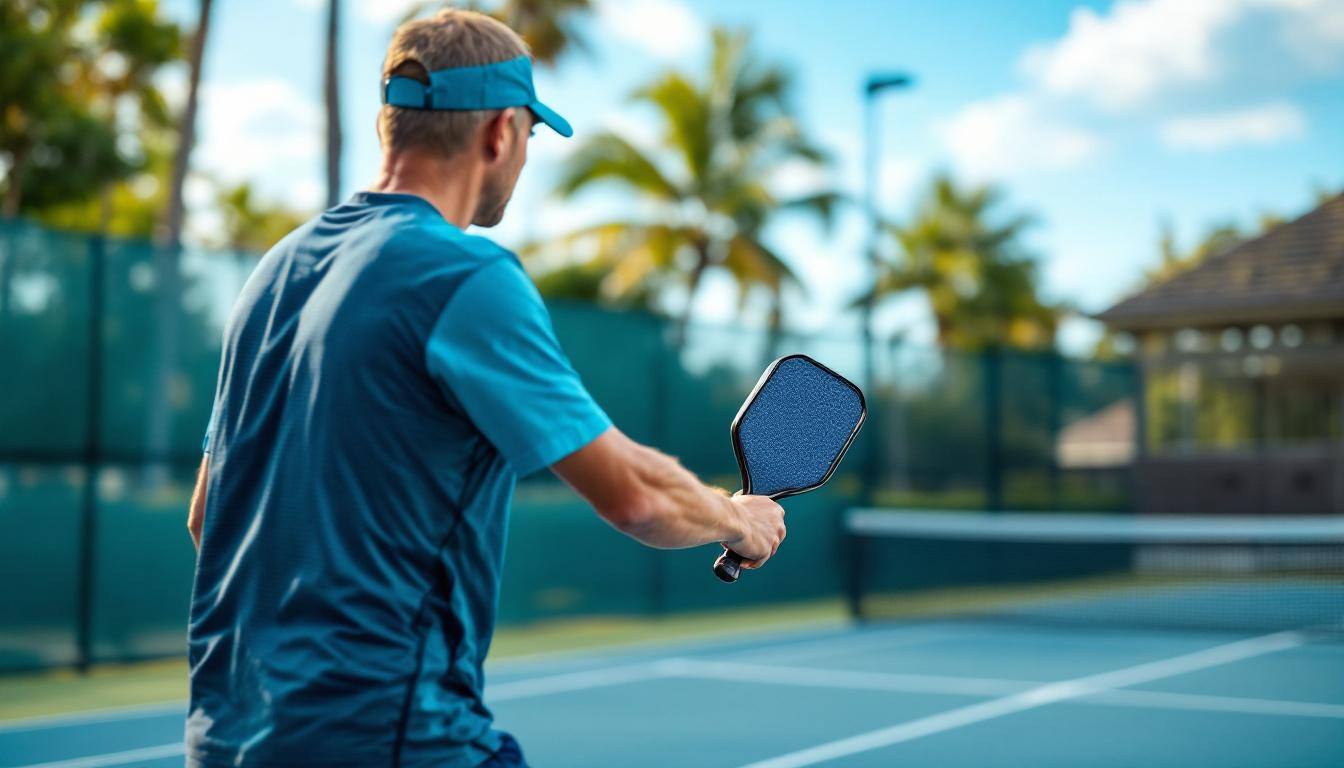
Naples is the best place in the United States to learn or improve at pickleball. The city has one of the highest densities of USA Pickleball-certified instructors in the country, a year-round calendar of clinics and private lessons, and a beginner-welcoming culture that makes first-time players feel supported rather than intimidated. Whether you are trying to pick up the sport for the first time, break through a plateau at the 3.5 level, or compete at the 4.5+ tournament level, Naples has the coaching to get you there.
This guide walks through every major lesson option in Naples - group clinics at public parks, private lessons with named pros, resort programs, beginner intros, and specialized skill clinics. We cover pricing, typical session structure, what to expect, and how to choose the right format for your goals.
Quick Navigation: Beginner Options | Group Clinics | Private Coaching | FAQ
Why Naples Is a Great Place to Learn Pickleball
Naples stands out for pickleball instruction for several interlocking reasons. First, the density of certified instructors is unusually high - the city is home to multiple USA Pickleball-certified pros and instructors who teach full-time. Second, the volume of beginner players showing up every winter means that structured beginner programs run continuously, not just once a month. Third, the infrastructure (especially East Naples Community Park) is ideal for teaching, with permanent courts, shaded teaching areas, and the ability to group students by skill level without logistical hassle.
Beyond the raw supply, Naples has a particular pickleball culture that matters for learners. Players are genuinely welcoming to newcomers in a way that does not happen at every public facility. The sport's demographics in Naples skew toward retirees and snowbirds who remember what it was like to be new and actively make newcomers feel welcome. Beginners who arrive in Naples often report that within a week they had been invited to play games, given tips by more experienced players, and pointed toward clinics that would help them improve.
For visitors specifically, Naples is ideal because you can pack a week's worth of intensive instruction into a short trip. A beginner can take a two-hour intro clinic on day one, play drop-in sessions days two through four, take a private lesson on day five, and play more drop-in on day six - all without leaving a 10-mile radius. Few destinations offer that kind of density. Our best pickleball in Southwest Florida guide covers the full regional picture for context.
Absolute Beginner: How to Start
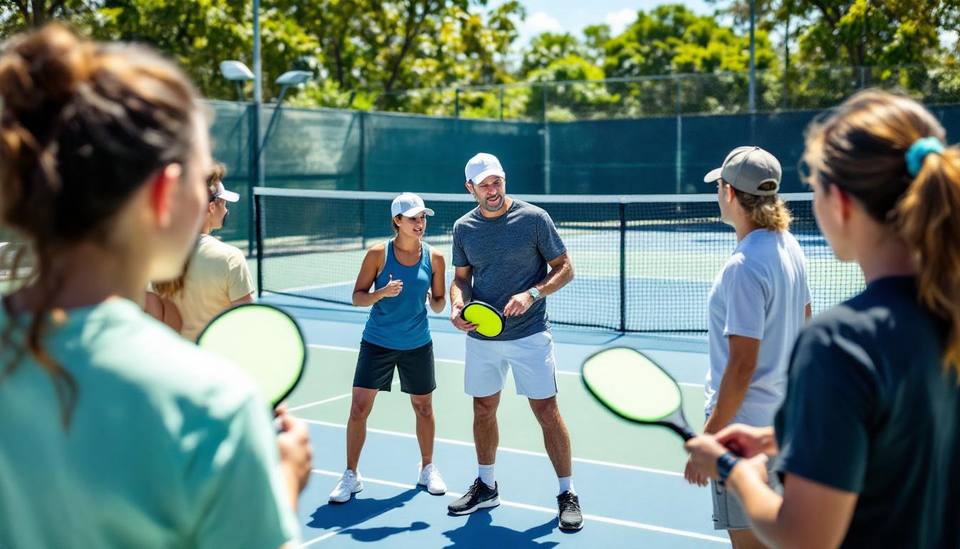
If you have never played pickleball before, the best starting point is a structured beginner intro clinic, not drop-in play. Drop-in sessions assume you know the rules, can serve, can rally, and understand basic court etiquette. Clinics are designed for people who know none of that. Plan to take at least one two-hour beginner intro before stepping onto a public drop-in court.
East Naples Community Park runs beginner intro clinics regularly throughout the winter high season and with slightly reduced frequency year-round. The structure is typically: a brief rules overview, basic stroke instruction (forehand, backhand, volley), serve instruction, service rules and the non-volley zone (the "kitchen"), basic doubles positioning and rotation, and a few supervised practice games at the end. Two hours is enough to go from "have never held a paddle" to "can play a slow game with other beginners without embarrassing yourself."
After one beginner clinic, you are ready for 2.5-level drop-in play. You will still make plenty of mistakes, but you will know the rules and the basic etiquette. Your progression from there depends on how often you play. Players who play 3-5 times per week will typically move from 2.5 to 3.0 within a month, and from 3.0 to 3.5 within another few months. Taking a second or third clinic during that time will significantly speed up the progression.
Group Clinics at East Naples Community Park
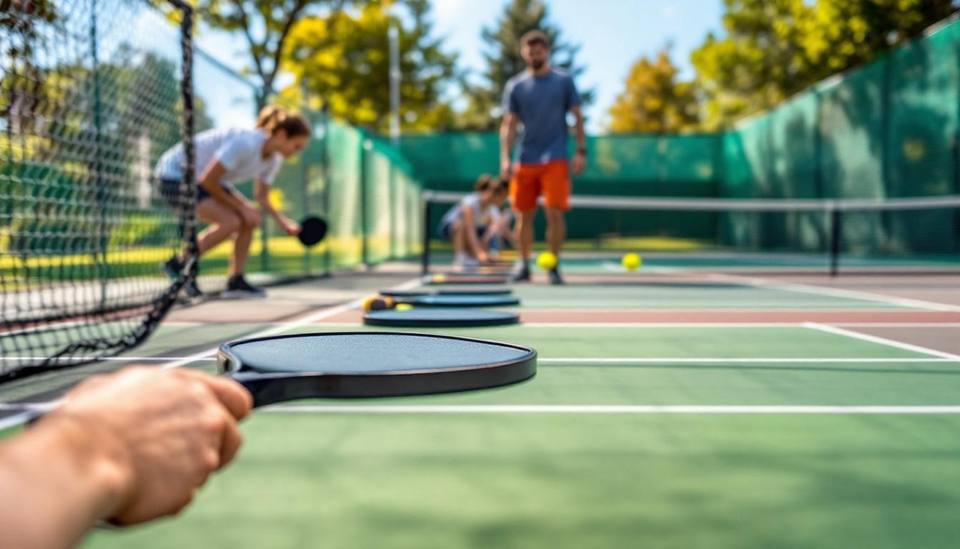
East Naples Community Park runs the most comprehensive group clinic program in Naples. Clinics are typically one to two hours, cost $15-30 per session, and are taught by USA Pickleball-certified instructors. Beginners, intermediates, and advanced players all have regular options. Registration is through the park or Collier County Parks and Recreation; some clinics accept walk-in sign-ups on the day of the session if space allows.
Intermediate clinics typically focus on one skill at a time: dinking and the soft game, third-shot drops and the transition zone, serving variations (deep, spin, lob), return-of-serve strategy, volleys and reaction time at the net, stacking and court positioning, and singles-specific skills. Taking a series of these clinics over several weeks builds a comprehensive intermediate skill set faster than any other format. Many players take two or three clinics per week during a winter stay and see rapid improvement.
Advanced clinics (for 4.0+ players) focus on strategic play, game scenarios, video analysis, shot selection under pressure, and tournament preparation. Enrollment tends to be smaller and the instruction more personalized. Players at this level often take fewer clinics and more private lessons, but East Naples still offers regular advanced group options, especially during winter high season.
Private Lessons with a Named Pro
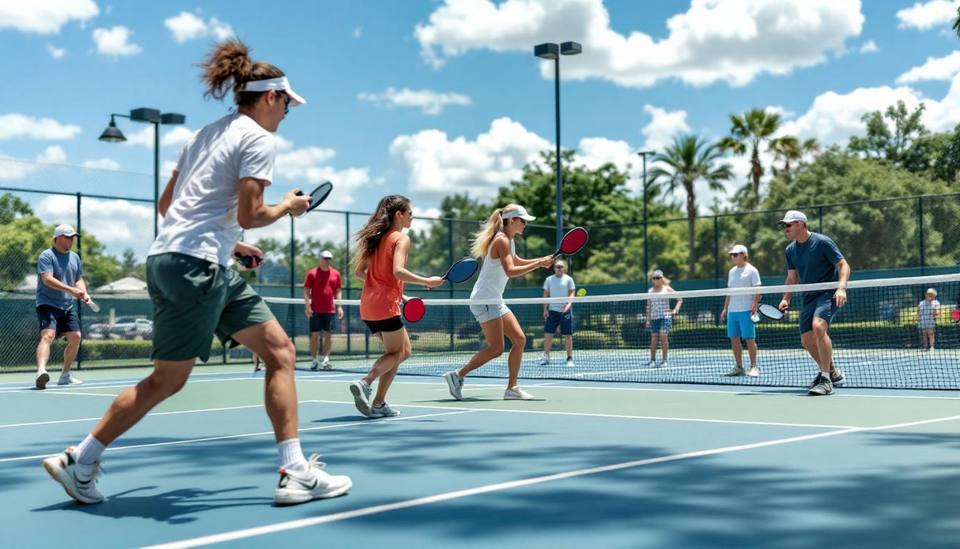
Private lessons are the fastest way to improve. A one-hour private with a high-quality pro can move your game more than five drop-in sessions. The downside is cost - private lessons in Naples typically run $60-120 per hour, and the best-known pros charge at the higher end. For players who can afford it, private lessons are the best investment in improvement.
What makes a private lesson worth the money: the instructor watches only you, identifies specific weaknesses, drills those weaknesses with targeted repetition, and gives you homework to practice in drop-in play. A good pro can watch you play five minutes and tell you exactly what to fix. A great pro will know how to explain the fix in a way that sticks and gives you drills you can do alone.
The best time to take private lessons is when you have identified a specific problem - your serve is inconsistent, your third-shot drop lands short, your volleys are defensive. A private lesson can isolate and fix any of these faster than group play. It is less valuable to take a private lesson with a vague goal like "get better at pickleball" - group clinics are more efficient for general improvement, and private lessons should be reserved for targeted work.
How to Choose a Pickleball Coach in Naples
Choosing a coach matters. Not every instructor is equally good, and styles vary widely. Some pros are patient explainers who work well with beginners. Others are competitive players who excel with advanced students. Some focus on mechanics and drill-based teaching. Others focus on strategy and game scenarios. Match the coach to your goals.
Look for USA Pickleball certification as a baseline. Certified instructors have completed training and passed evaluations that confirm they can teach the sport effectively. Beyond certification, ask around - other players at East Naples Community Park will have opinions about which pros are best, and word of mouth is reliable. Many pros also have video content online showing their teaching style, which is a useful preview.
Practical considerations: schedule availability (popular pros book up weeks in advance during winter high season), hourly rate, location (do you have to travel to the pro's home court?), and lesson format (one-on-one vs. two-on-one vs. small groups). Two-on-one lessons with a friend are a good compromise - half the cost per person, more hands-on court time per drill, and you can practice what you learn together between sessions.
YMCA and Community Center Lessons
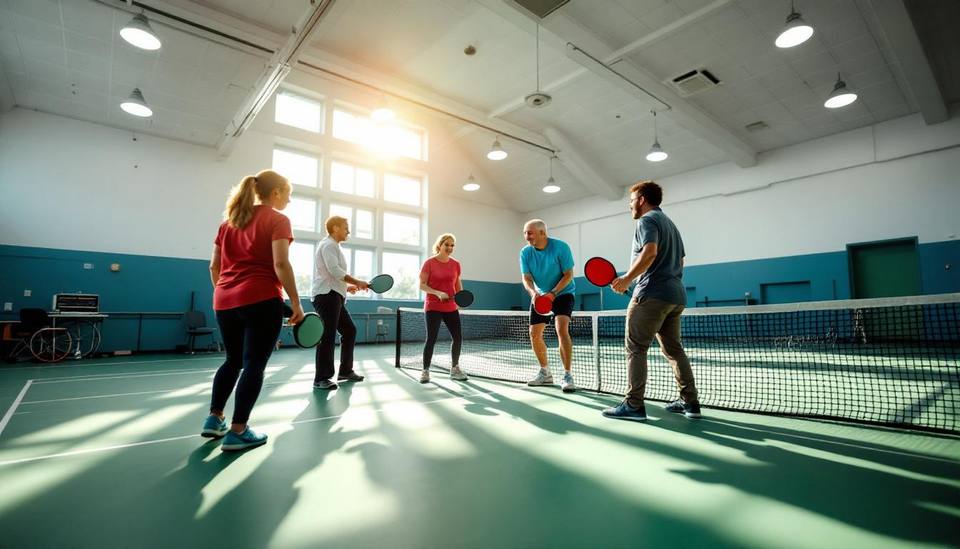
Beyond East Naples Community Park, the Greater Naples YMCA runs pickleball instruction programs that are often more beginner-focused and lower-cost. The Y's indoor courts are a good venue for lessons, particularly during the hot months when outdoor play is uncomfortable. Y memberships give access to regular drop-in play and lesson programs, and non-members can sometimes participate in clinics on a drop-in basis for a fee.
Other community centers and recreation facilities in the Naples area also run pickleball programs. These are often smaller than East Naples Community Park but can be good options if you want a less overwhelming environment as a true beginner. The intimacy of a smaller center - fewer courts, fewer players, a more neighborhood feel - can be reassuring for someone taking their very first lesson.
Pricing at community centers is typically lower than private pro instruction but higher than the cheapest group clinics. Expect $20-50 for a group lesson, depending on length and format. Membership discounts at the YMCA make regular attendance more affordable if you are staying in Naples for multiple weeks.
Resort and Hotel Pickleball Programs
Several Naples-area resorts have developed pickleball programs with on-site lessons and clinics. The JW Marriott Marco Island Beach Resort (technically on Marco Island but a short drive from Naples) has a full pickleball facility with resident pros who teach lessons and run resort clinics. Lely Resort (Players Club), Fiddler's Creek, and several private communities also run pickleball instruction for members and guests.
For visitors who want pickleball instruction built into their vacation, staying at a resort with pickleball programming is the easiest option. You walk from your room to the court, take a lesson at your scheduled time, and have food, pool, and beach access all in one location. The downside is cost - resort lessons are typically the most expensive option, often $100-150 per hour or more for a private lesson, and clinics are priced at a premium.
Resort pickleball programs are best for convenience and for players who value the full resort experience. Serious learners on a budget will get more court time and more instruction from a week of East Naples drop-in play and group clinics than from a week of resort lessons. Consider what you value: convenience vs. depth of instruction vs. cost.
What to Expect at Your First Clinic
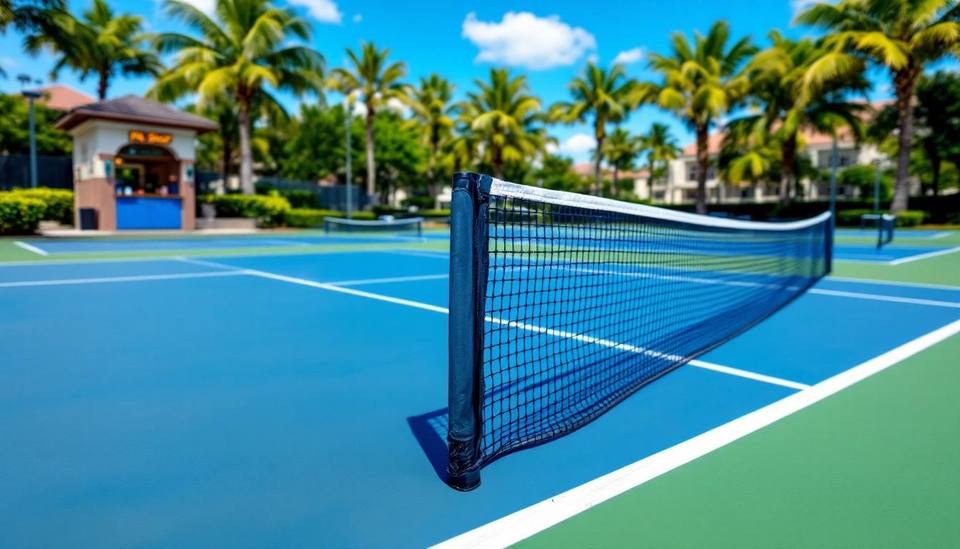
Your first clinic will feel a little awkward - it is a classroom setting with physical activity, and you will not know anyone. Here is what happens. You arrive 10-15 minutes early, check in with the instructor, put your paddle down, and warm up with light stretching. The instructor calls the group together, introduces themselves, asks about each student's background, and explains what the session will cover.
The session then moves through drills. Expect stations where you practice specific shots in isolation - dinks, volleys, third-shot drops, serves. The instructor rotates among students, giving individual tips and corrections. After drill work, the session usually moves to controlled game scenarios where you play short games with specific constraints (for example, "only dink until someone makes a mistake") to practice what you just learned.
At the end of the clinic, there is usually a wrap-up discussion, questions, and homework. Homework might be "practice your dinks 15 minutes before your next drop-in session" or "work on keeping your serve deep during games this week." Take the homework seriously - players who apply clinic lessons between sessions improve much faster than players who attend clinics passively.
Most Common Mistakes Beginners Make
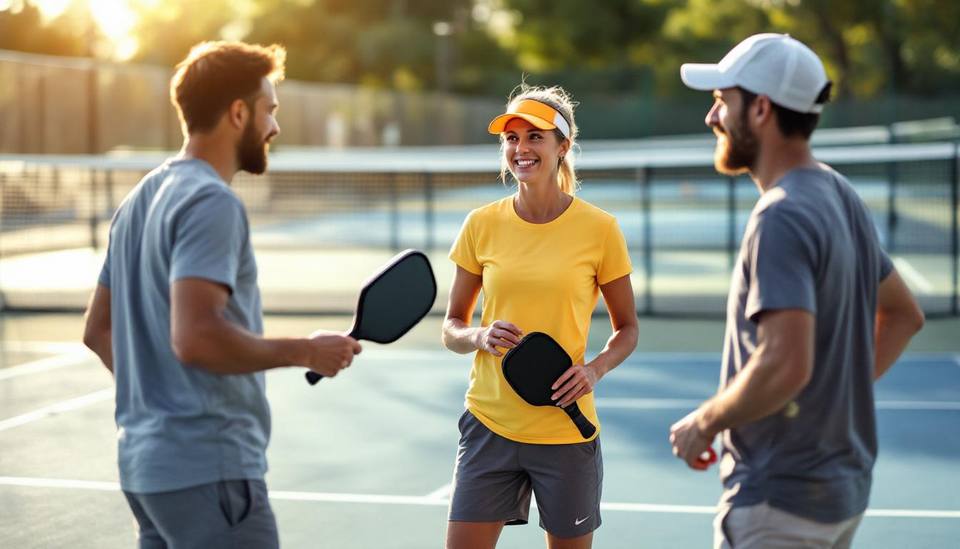
Naples pickleball instructors see the same beginner mistakes over and over. If you know them in advance, you will move past them faster. The most common mistake: standing too far back from the kitchen line after the return of serve. Beginners instinctively stay back to react to deep balls, but the correct strategy is to move forward aggressively to the non-volley zone line after the return, where you have more control over the point.
Other common mistakes: swinging too hard on the third shot (the third shot should be a soft drop, not a drive, 80% of the time at beginner and intermediate levels); not calling out the score before each serve (a rule, not just etiquette - you can be penalized for serving without calling the score); reaching across and "poaching" a partner's ball without communication (this causes confusion and missed shots); and standing square to the net rather than with feet staggered (staggered stance gives you better reach and balance).
A good instructor will identify your specific mistakes in your first lesson and give you drills to fix them. Most beginners see significant improvement within 3-5 clinics if they are actively working on their weaknesses between sessions. The ones who plateau are usually playing drop-in without deliberately trying to fix anything.
Specialized Skill Clinics: Dinking, Drops, and Strategy
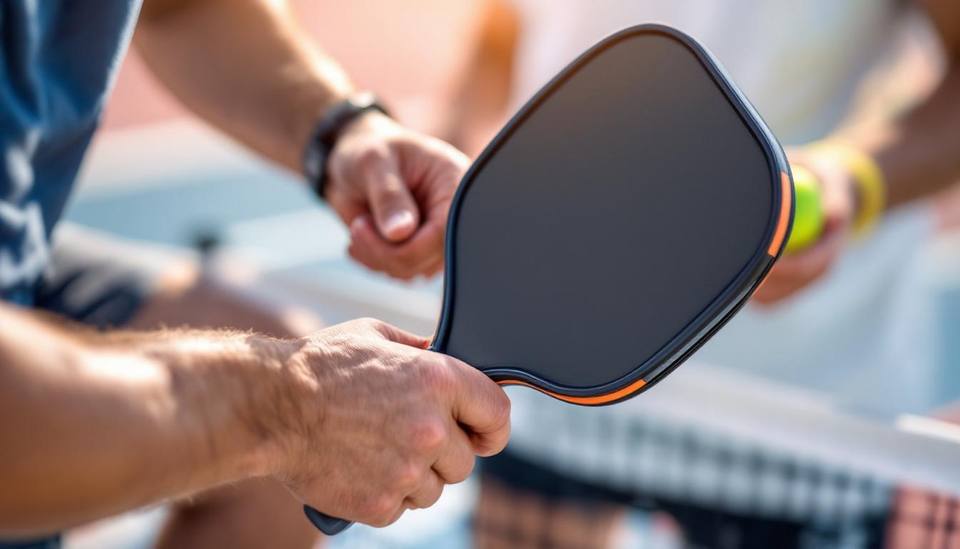
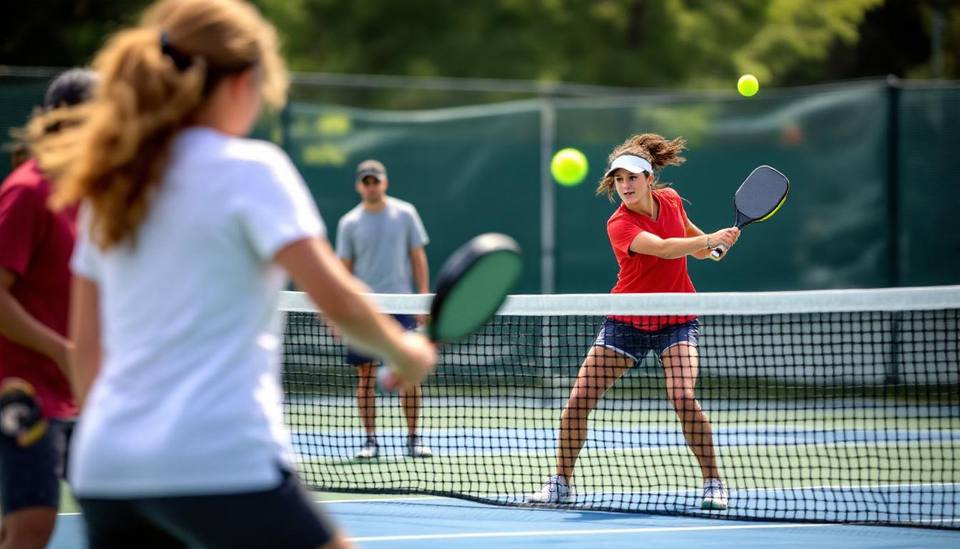
Beyond general intermediate clinics, Naples instructors offer specialized single-skill clinics that focus on one area of the game for a deep, targeted session. The most popular are dinking clinics (the soft game at the kitchen line), third-shot drop clinics (the shot that transitions from baseline to net), and strategy/positioning clinics for doubles play.
Dinking clinics are probably the single highest-leverage clinic for intermediate improvement. The soft game at the non-volley zone line is where matches are won and lost at 3.5 and above, and most players have sloppy dinks that can be tightened up in a single focused session. A good dinking clinic will drill cross-court dinks, straight dinks, dink placement, dink spin, and the transition from dink to attack.
Third-shot drop clinics are the other high-leverage option. The third-shot drop is the most difficult shot in pickleball for intermediate players - it requires touch, feel, and confidence that does not come naturally. A targeted clinic can transform a weak drop into a reliable weapon and is worth the investment for any player stuck at 3.0 trying to break through to 3.5.
Lessons for Couples and Families
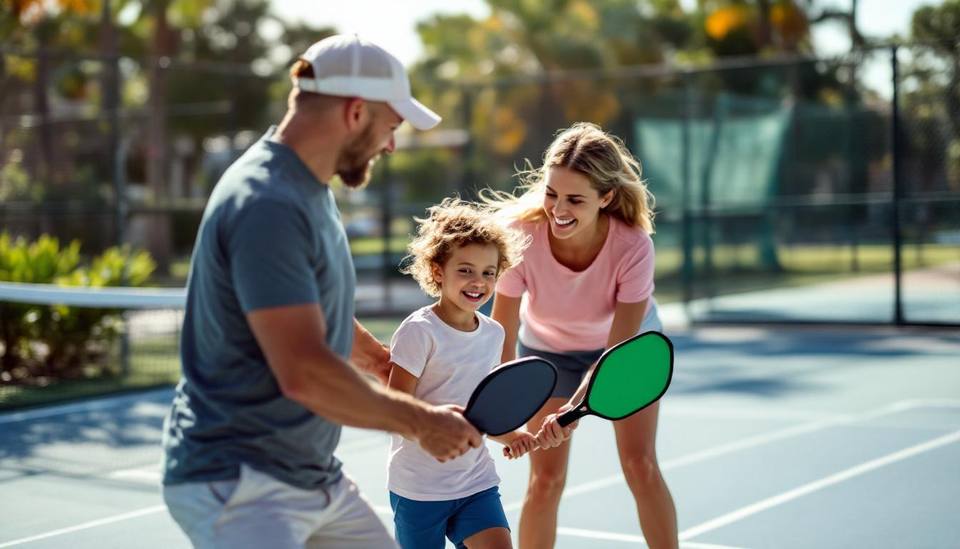
Pickleball is a social sport and many couples and families take lessons together. Naples instructors offer couples lessons and family-oriented sessions that teach doubles-specific skills like partner communication, stacking, court coverage, and working together as a team. Couples lessons are often two-on-one private sessions that split the cost and give you a practice partner you can work with at home.
Family lessons are common during holiday periods when families visit Naples together. A multi-generational family lesson can include kids, parents, and grandparents all at different skill levels - the instructor adjusts drills to the lowest common level and builds progression from there. Kids often pick up the basics quickly and benefit from structured beginner instruction even if they are too young for serious tournament play.
For anyone traveling to Naples with a partner or family member who also wants to try pickleball, a single group lesson together is a great way to introduce the sport and set expectations. Rather than dragging a spouse into a drop-in session they are not prepared for, take a two-hour beginner clinic together and then play games against each other at a lower intensity to build enjoyment.
Improving Outside of Lessons: Drop-In Play Strategy
Lessons are only part of the improvement equation. The other part is drop-in play, and how you play drop-in matters. Players who treat drop-in as a series of mini-practices - actively working on whatever they learned in their most recent lesson - improve much faster than players who just show up and play.
Specific drop-in strategies that accelerate improvement: (1) set one skill focus per session and deliberately practice it during games, even at the cost of losing some points, (2) take notes after each session on what worked and what did not, (3) ask better players for tips between games - most are happy to share, (4) play against stronger opponents when possible, even if you lose, because you will learn more than you will from winning against weaker opponents, and (5) experiment with different partners to avoid getting locked into a single play style.
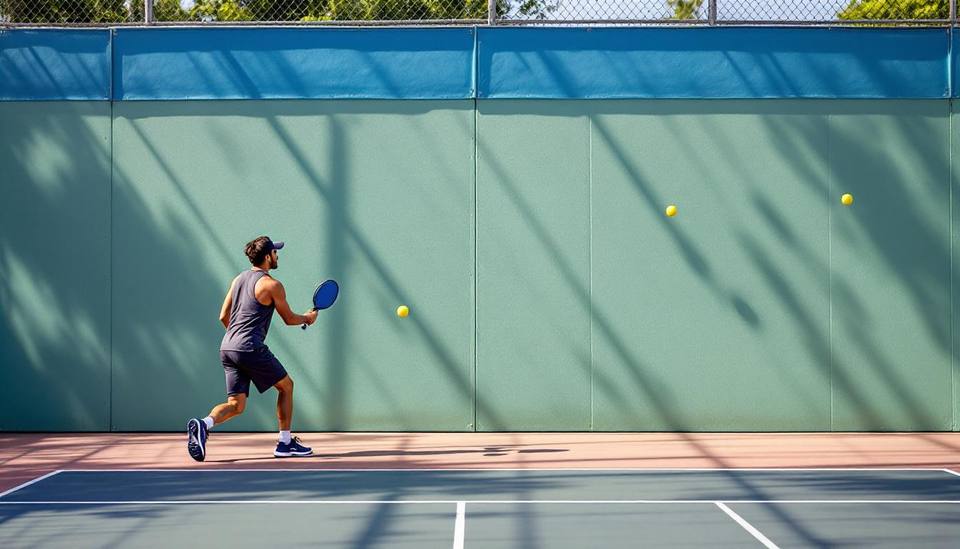
One underrated practice habit: solo wall drills. You can spend 15-20 minutes at home or at a park wall hitting dinks and volleys against a wall to build consistent contact. This is basic but almost no recreational player does it, and the players who do see rapid improvement in their touch and control.
Budgeting for Lessons During a Winter Stay
For snowbirds or long-term visitors planning a pickleball-focused winter in Naples, budgeting for lessons is worth doing up front. A reasonable instruction budget for a three-month winter stay might look like: one beginner/intro clinic if you are new ($30), two group clinics per week for the first month ($30 × 8 = $240), one group clinic per week for months two and three ($30 × 8 = $240), and one private lesson per month for personalized feedback ($100 × 3 = $300). That is around $810 total for three months of structured instruction.
Serious improvers who want faster progress might double the private lesson frequency and budget closer to $1,500-2,000 for a winter. Casual players happy with occasional clinic instruction can get by on $300-500 for a full winter. The math is forgiving either way - the benefit of regular instruction is significant and compounds over the length of a stay.
The alternative to paid lessons is free improvement through drop-in play, YouTube instruction, and occasional tips from more experienced players. This works, but it is slower. If you can afford $30-50 per week for instruction during a winter stay, it is the best investment you can make in the quality of your pickleball experience.
Next Steps After Your First Clinic
After your first clinic in Naples, the path forward is simple: play as much as you can, take more instruction as you hit plateaus, and build relationships with better players who can help you level up. Sign up for the next clinic that fits your schedule. Drop into 2.5 or 3.0 sessions at East Naples Community Park and play actively. Introduce yourself to regulars. Exchange contacts with players you enjoyed. Ask questions.
Your second week should include one or two more clinics and 4-6 drop-in sessions. By the end of your second week, you will be comfortable with the basic rules, the court flow, and the social dynamics of Naples pickleball. Your game will have visibly improved from your first day, and you will feel like part of the community.
By your third and fourth weeks, consider adding a private lesson to work on your specific weaknesses, joining a ladder or league for structured competition, and mixing in venues beyond East Naples Community Park (Veterans Community Park, YMCA indoor, private club play if you have access). Diversifying your play keeps the experience fresh and exposes you to different styles and partners.
Frequently Asked Questions
How much does a pickleball lesson cost in Naples?
Group clinics at East Naples Community Park typically cost $15-30 per session (1-2 hours). Private lessons with a certified pro run $60-120 per hour. Resort and luxury property lessons can run $100-150+ per hour. Community center and YMCA group lessons are in the $20-50 range. Multi-session packages and clinic series often reduce the per-session cost.
Do I need to bring my own paddle to a lesson?
For most beginner intro clinics, the instructor provides loaner paddles if you do not have your own - ask when you register. For intermediate and advanced clinics, and for all private lessons, you should bring your own paddle. If you are serious about the sport, investing in a mid-range paddle ($60-100) is one of the first things to do after deciding to play regularly.
How long does it take to go from beginner to intermediate (3.5)?
With regular play (3-5 sessions per week) and occasional lessons, most players go from beginner (2.5) to intermediate (3.5) within 3-6 months. Without lessons, the same progression typically takes twice as long. Players who combine frequent play with regular clinic and private lesson instruction can reach 3.5 in as little as 6-8 weeks during an intensive Naples winter stay.
Are group clinics better than private lessons for beginners?
For absolute beginners, group clinics are more efficient and more social than private lessons. A beginner clinic introduces the sport, connects you with other new players at your level, and gives you the basics at a low cost. Private lessons become valuable after you have 5-10 sessions of experience and want to fix specific weaknesses. Start with group clinics; add private lessons after.
Can I take pickleball lessons in Naples during the summer?
Yes, though the calendar is reduced. Summer (May through October) has fewer snowbirds and a smaller population of active players, so fewer clinics run each week. Indoor lessons at the Naples YMCA and other community centers continue year-round. Private lessons are available year-round but require scheduling around summer rainstorms and heat. Winter (November through April) has the most comprehensive calendar of lessons and clinics.
Are there pickleball camps or multi-day intensives in Naples?
Yes. Several Naples-area instructors offer multi-day pickleball camps, typically running 3-5 days with multiple hours of instruction per day. Camps are more expensive than individual clinics but offer intensive, focused improvement for players who want to level up quickly. Check with East Naples Community Park, USA Pickleball's instructor directory, and local pickleball Facebook groups for current camp offerings.