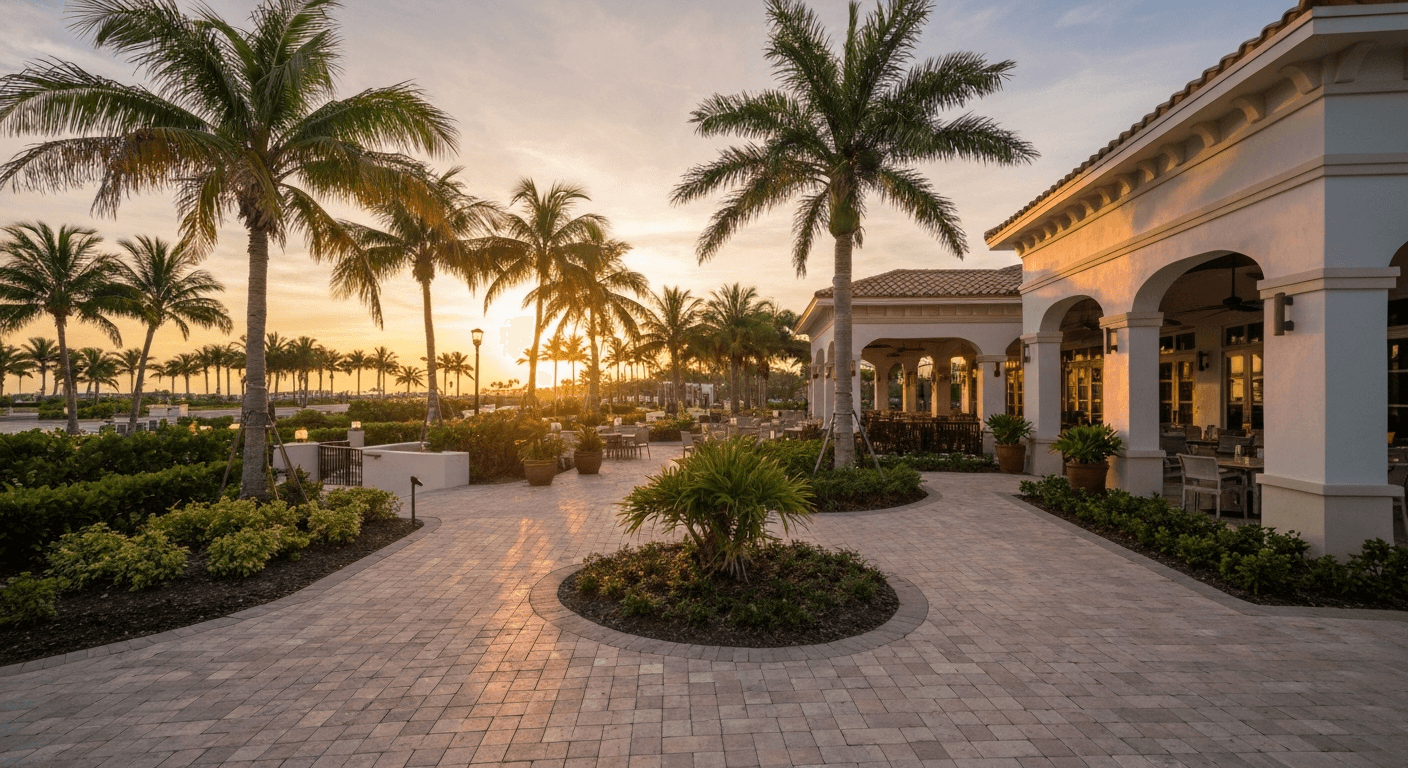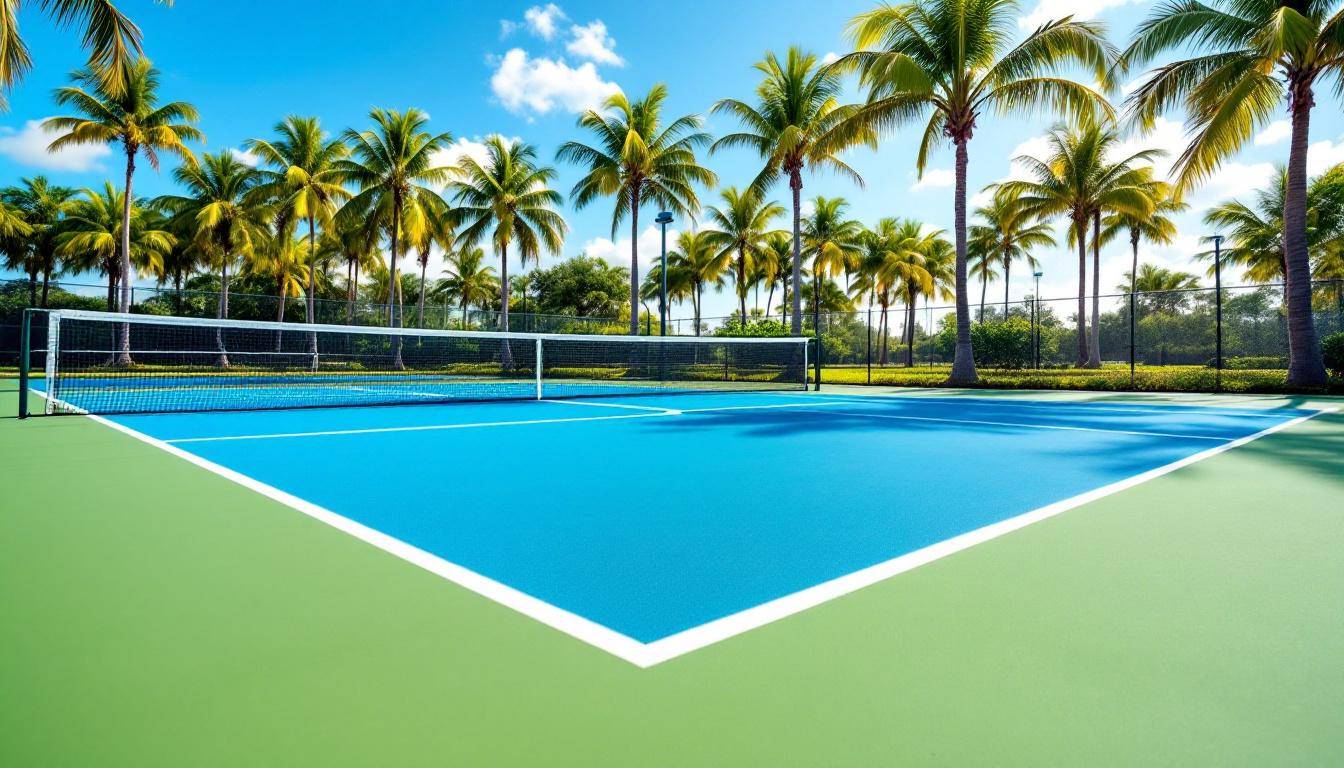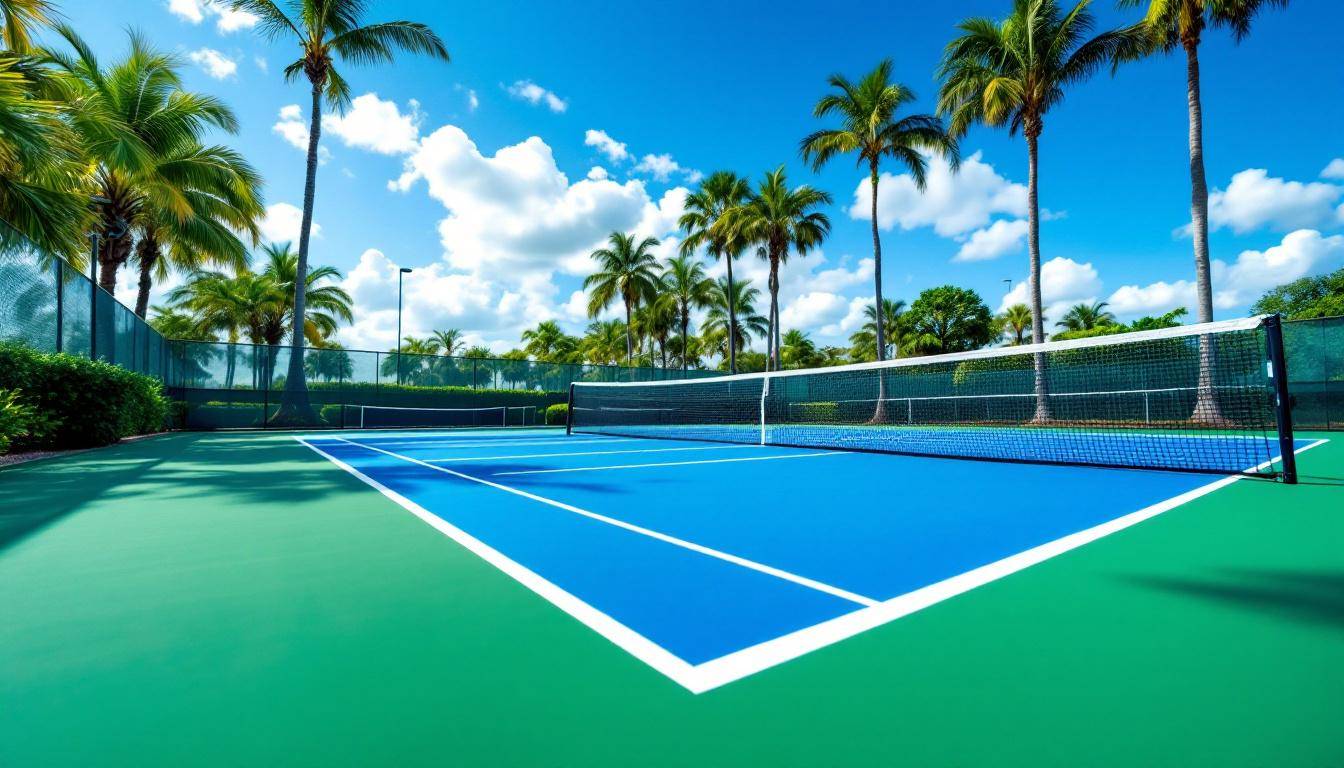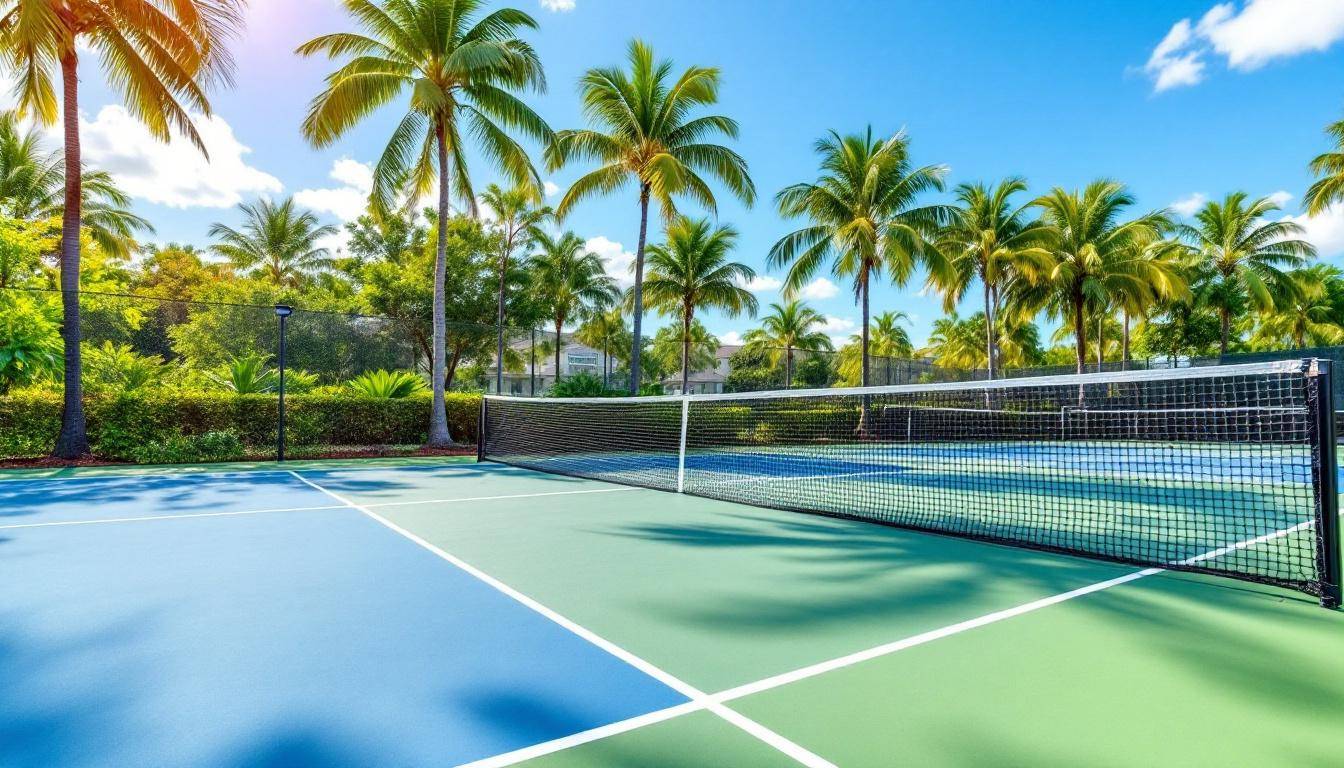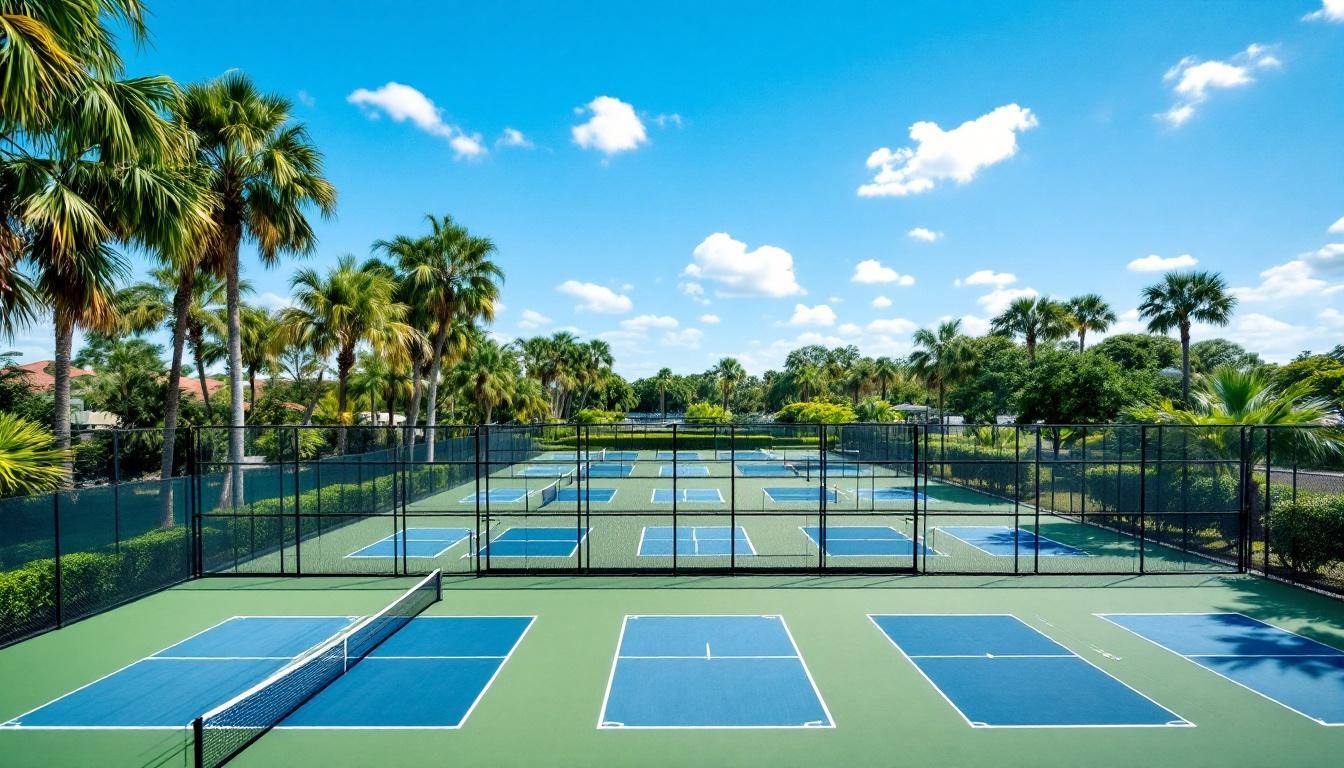
Southwest Florida is, without exaggeration, the pickleball capital of the world. The sport was born in the Pacific Northwest in 1965, but its modern heart beats on the public courts of East Naples Community Park - home of the US Open Pickleball Championships - and on hundreds of courts scattered from Sarasota down through Marco Island. If you are a player coming to SWFL for a winter stay, a snowbird planning where to live, or a local looking for the best places to play, this guide is built for you.
We have walked, played, and watched at every major facility from Payne Park in Sarasota down through the East Naples complex and the private clubs of Pelican Preserve and Lely Resort. This article pulls together everything we have learned about where to play, when to play, how to get on a court as a visitor, and how to find your tribe of players in a region that has more pickleball infrastructure per capita than anywhere else on earth.
Quick Navigation: Why SWFL | US Open | Cities | FAQ
Why Southwest Florida Is the Pickleball Capital of the World
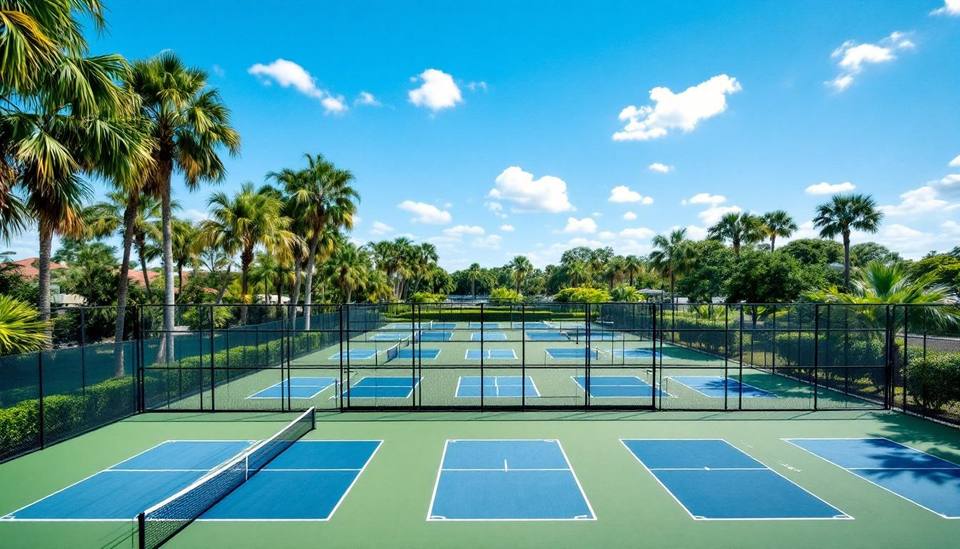
The claim sounds like marketing spin until you look at the numbers. Southwest Florida has more dedicated pickleball courts per capita than any other region in the United States. Naples alone maintains over 130 pickleball courts across public parks, private clubs, and resort properties. Fort Myers, Cape Coral, Sarasota, Bonita Springs, Estero, and Marco Island each add dozens more. Within a one-hour drive of downtown Naples, a player can reach well over 400 courts.
The infrastructure is only part of the story. Southwest Florida also has the climate - mild winter days with low humidity that are perfect for outdoor play, exactly when snowbirds from the Midwest and Northeast arrive looking for something to do. It has the demographics, with hundreds of thousands of active retirees who have discovered that pickleball is easier on the joints than tennis, more social than golf, and cheaper than both. And it has a culture of open play and drop-in games that makes it easy for newcomers to find partners and games within hours of arriving in town.
The other piece is history. Pickleball's modern boom started here. East Naples Community Park installed its first dedicated pickleball courts in 2008, years before most of the country knew the sport existed. The US Open Pickleball Championships launched in Naples in 2016 and has returned every spring since, drawing thousands of players from every state and dozens of countries. The Naples pickleball community became the prototype for how a sport could take over a city.
The US Open Pickleball Championships
Every spring since 2016, East Naples Community Park transforms into the most important pickleball venue on the planet. The US Open Pickleball Championships runs for roughly a week in late April and brings over 2,500 players, thousands of spectators, and live streaming coverage that reaches a global audience. The tournament is a joyful madhouse of round-robin pool play, bracket finals, and vendor booths selling every paddle on the market.
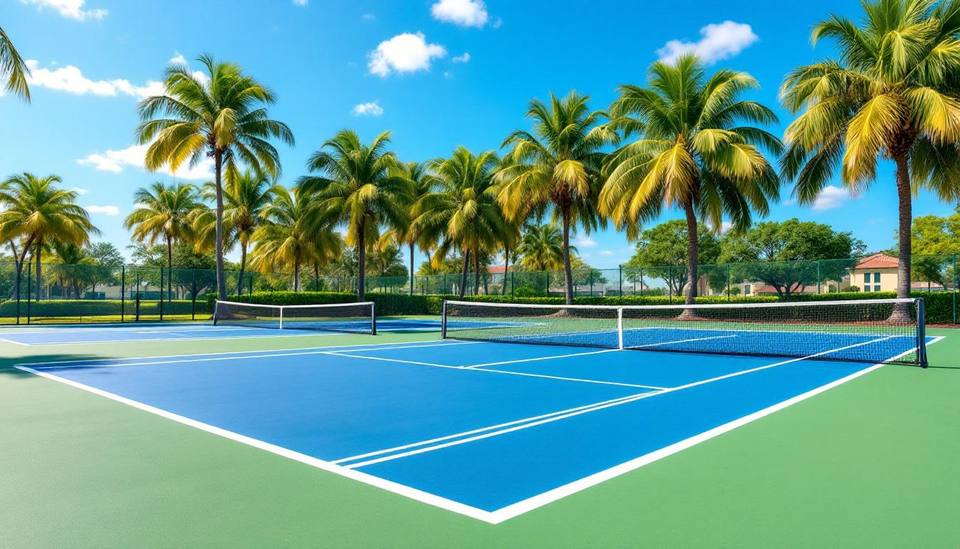
The venue itself is remarkable. East Naples Community Park has 64 permanent pickleball courts (plus additional temporary courts set up for the tournament), a stadium court for championship matches, bleacher seating, food trucks, and a shaded concourse where players from every age division mingle between matches. During US Open week, the park runs from early morning until after sunset, with matches stacked back to back.
If you are not playing in the tournament, you can still visit as a spectator. Single-day tickets are affordable, parking is accommodated at several lots around the park with shuttles, and you will see the best pickleball players in the world competing alongside senior amateurs in their 80s. For many local players, watching the US Open is the highlight of the pickleball calendar. For visitors, it is an easy reason to plan a spring trip to Naples. Our deep-dive guide to Naples Pickleball Center and East Naples Community Park walks through what to expect during a visit.
Naples: The Beating Heart of SWFL Pickleball
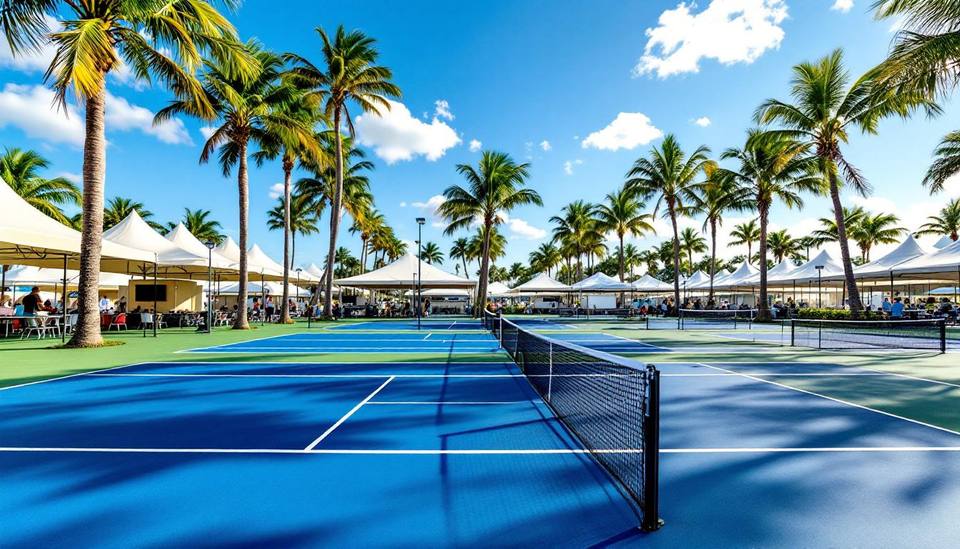
Naples is where Southwest Florida pickleball culture began, and it is still the densest concentration of courts, players, and instruction in the region. East Naples Community Park is the flagship, but the Naples scene extends far beyond it. Veterans Community Park in North Naples has 12 outdoor courts with lights and reservations through Naples Parks and Recreation. The Greater Naples YMCA operates indoor courts, the perfect escape on a rainy afternoon. Private clubs like Pelican Marsh, Pelican Bay, and Grey Oaks all have member-only pickleball programs, and gated communities across town have built dedicated courts as a standard amenity.
For visitors, the best entry points are East Naples Community Park (paid passes, drop-in play, lessons) and Veterans Park (free, first-come-first-served during daytime, reservations for evening). Both welcome newcomers. Both have morning open play that you can drop into if you bring a paddle and are willing to rotate into games. Most Naples courts are outdoors, so plan around the midday heat - morning and late afternoon are prime time from November through April.
For a full breakdown of where to play in Naples, read our detailed guide to the best pickleball courts in Naples. For lessons, clinics, and skill-building, our guide to pickleball lessons and clinics in Naples covers public programs, private coaches, and drop-in clinics for every level.
Fort Myers Pickleball Scene
Fort Myers has quietly become one of the fastest-growing pickleball destinations in Southwest Florida. The city has added dozens of new courts in the past five years, including expansions at Lakes Regional Park, Veterans Park, and several community centers. The Fort Myers Pickleball Club runs organized play at multiple locations and is known for being welcoming to visitors. Private clubs like Pelican Preserve, Shadow Wood Country Club, and Gateway have member pickleball programs, and many of the 55+ communities in the Fort Myers area have dedicated courts.
What makes Fort Myers different from Naples is that it feels less crowded. You can often walk onto a public court on a weekday morning without a wait, even during high season. The players are a mix of year-round locals and snowbirds, and skill levels run from raw beginners to tournament-level 4.5 players. The weather is similar to Naples, and the drive from Fort Myers to East Naples is under an hour, so serious players often bounce between both cities.
For a deeper look at where to play, including specific court locations, hours, fees, and drop-in nights, see our complete guide to the best pickleball courts in Fort Myers. If you are based in Fort Myers and looking for other activities between pickleball sessions, our things to do in Fort Myers guide covers beaches, parks, and restaurants nearby.
Cape Coral Pickleball Scene
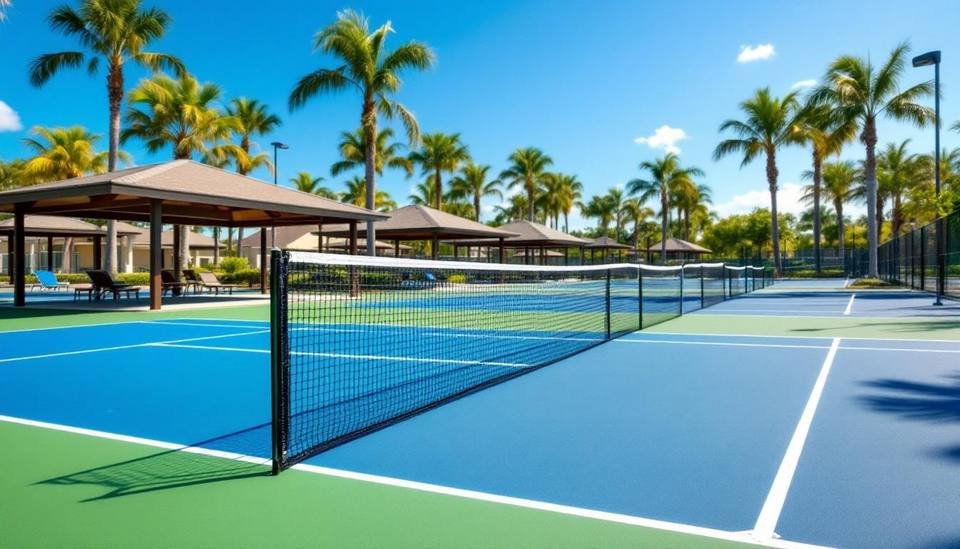
Cape Coral is the second-largest city in Southwest Florida by population, and its pickleball infrastructure has exploded to match. Rotary Park has become a pickleball destination in its own right with well-maintained outdoor courts, and the city has added courts at several community parks across town. The Cape Coral Pickleball Club organizes open play sessions, round robins, and beginner instruction throughout the week.
Cape Coral has a different vibe from Naples. The city is sprawling, with more than 400 miles of canals and a strong boating culture. Pickleball here is tightly woven into the active-retiree lifestyle - many players come to pickleball after years of tennis or golf, and the community is famously social. If you are staying in a Cape Coral vacation rental, you will find courts within a 10-minute drive no matter which part of the city you are in.
The drive from Cape Coral to Fort Myers is about 15 minutes, and to Naples about 45 minutes, so Cape Coral players have easy access to the full SWFL pickleball scene. Our guide to the best pickleball courts in Cape Coral lists every public and notable private facility, along with seasonal tips and drop-in schedules.
Sarasota Pickleball Scene
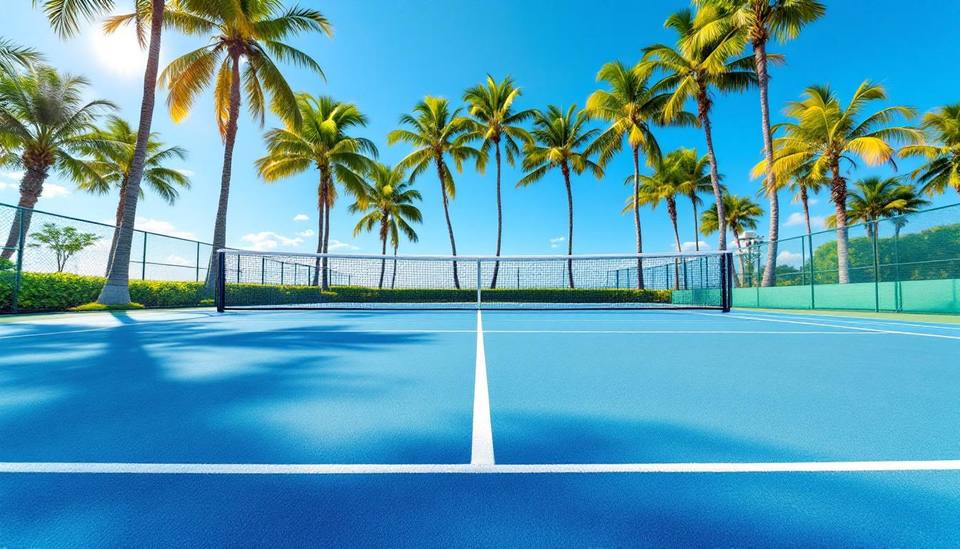
Sarasota sits at the northern edge of what most people consider Southwest Florida, and its pickleball scene is arguably the most sophisticated outside of Naples. Payne Park in downtown Sarasota has a large, well-maintained pickleball complex that hosts tournaments and daily open play. The Bobby Jones Golf Club complex has added pickleball courts as part of its municipal recreation expansion. Arlington Park, Bee Ridge Park, and several community centers round out the public options.
What makes Sarasota stand out is its mix of serious competitive play and welcoming beginner culture. The city hosts multiple tournaments throughout the year, and several USA Pickleball-certified instructors teach in the area. Sarasota also has a strong arts and dining scene, which makes it a destination city for pickleball vacations - you can play in the morning, visit the Ringling Museum in the afternoon, and eat dinner on St. Armands Circle.
Our detailed guide to the best pickleball courts in Sarasota walks through every major facility, and our things to do in Sarasota page covers the non-pickleball side of a Sarasota visit.
Bonita Springs Pickleball Scene
Bonita Springs sits between Naples and Fort Myers and gets the best of both worlds. The city has added public pickleball courts at several parks, and the private community scene is enormous. Pelican Landing, The Brooks, Worthington, Bonita Bay, and dozens of other gated communities have dedicated pickleball facilities with active leagues. For visitors, the public options are the entry point - and they are growing every year.
What Bonita Springs lacks in a flagship public venue (compared to East Naples), it makes up for in smaller, less crowded courts that rarely have waits. Many snowbirds who rent in Bonita Springs for January through April develop their pickleball habit at the community courts where they are staying. The drive down US-41 to East Naples Community Park is under 30 minutes, making Bonita Springs a great base for players who want easy access to Naples without staying in the middle of Naples.
See our complete Bonita Springs pickleball courts guide for specifics, and our things to do in Bonita Springs page for non-pickleball activities.
Marco Island Pickleball Scene
Marco Island is smaller than the other cities on this list, but pickleball is surprisingly well-developed here. Mackle Park has public courts that are popular with residents and visitors alike. The JW Marriott Marco Island Beach Resort has dedicated pickleball courts and a full-time pro on staff, making it one of the few resort properties in SWFL where you can book a beach vacation and play serious pickleball without leaving the resort. Several Marco condominium complexes also have courts that residents and guests can use.
Marco Island's appeal for pickleball players is the combination of beach and court. You can play a morning session at Mackle Park, walk on the sugar-white sand of Tigertail Beach in the afternoon, and eat dinner at a waterfront restaurant downtown. It is, essentially, the ideal setup for a pickleball vacation that includes family members who do not play. Our guide to the best pickleball courts on Marco Island has full details on courts, hours, and fees, and our things to do on Marco Island page covers the rest of the island.
Estero Pickleball Scene
Estero is small but punches above its weight for pickleball. The village is home to some of Southwest Florida's largest master-planned communities - including The Brooks, Grandezza, and Fountain Lakes - all of which have dedicated pickleball facilities. Public options include Estero Community Park, which has added pickleball courts as part of its recreation complex, and Estero Recreation Center programming.
What makes Estero attractive to pickleball players is its central location. You can reach Fort Myers to the north in 15 minutes, Bonita Springs to the south in 10 minutes, and Naples in 30 minutes. If you are renting in an Estero community for the winter, you have access to your community courts plus easy driving to the entire SWFL scene. The village is also home to Miromar Outlets and several restaurants, making post-pickleball errands easy.
Our best pickleball courts in Estero guide lists the community programs, public courts, and drop-in schedules to help visitors find games quickly.
Public vs Private Courts in Southwest Florida
Understanding the difference between public and private courts is essential for anyone planning to play in Southwest Florida. Public courts are operated by city or county parks and recreation departments. They are open to anyone, charge little or nothing for access, and are typically first-come-first-served or use a paddle-rack system where you put your paddle in a queue to play the next open court. Some, like East Naples Community Park, charge a modest daily fee and host organized lessons and leagues.
Private courts belong to gated communities, country clubs, or resort properties. Access is limited to members, residents, or registered resort guests. Many of the most beautiful and well-maintained courts in SWFL are private - Lely Resort, Pelican Preserve, Shadow Wood, The Brooks, and hundreds of HOA communities have courts that rival any public facility. If you are renting in one of these communities for a week or a month, you will usually get court access as part of the rental.
Visitors who are not staying in a private community have plenty of options. The public courts in Naples, Fort Myers, Sarasota, and Cape Coral all welcome drop-in players. If you want a guaranteed court experience without the lottery of drop-in play, several Southwest Florida resorts now offer pickleball packages with court time and lessons included. The JW Marriott Marco Island, the Ritz-Carlton Naples (through partnerships), and several smaller boutique properties all have dedicated pickleball programming.
Best Clubs for Snowbirds
For snowbirds spending the winter in Southwest Florida, joining a club (or buying a daily pass somewhere you can play every day) makes a huge difference. The best clubs offer structured open play sessions, skill-based round robins, ladder leagues, and visiting-player integration so you can show up without knowing anyone and be in a game within 15 minutes.
In Naples, the East Naples Community Park pass is the workhorse. A multi-day or annual pass gives you access to the US Open facility, organized drop-in sessions by skill level, lessons, and leagues. Many snowbirds who are not members of a private club use East Naples as their home court for the entire winter.
In Fort Myers, the Fort Myers Pickleball Club and several YMCA programs offer similar structure. In Sarasota, Payne Park and Bee Ridge Park both host organized play that is easy to join. For players staying in a gated community, the community courts are usually the best bet - they are less crowded, the players are your neighbors, and you will build a regular crew within a week of showing up.
The key to the snowbird experience is consistency. Pick one place, show up at the same time several days a week, and within a month you will know half the regulars by name and be invited to home-and-home games that never show up on the official schedule.
Indoor Pickleball and Beating the Florida Heat
Outdoor pickleball in Southwest Florida is a dream from November through April. From May through October, however, the combination of heat, humidity, and afternoon thunderstorms makes midday outdoor play miserable or impossible. This is where indoor courts come in.
Indoor pickleball options in SWFL are growing fast. The Greater Naples YMCA, the YMCA of Southwest Florida, Collier County community centers, and several dedicated pickleball facilities have added indoor courts. These are air-conditioned, lit, and playable in any weather. The ball bounces slightly differently indoors - harder surface, no wind, different lighting - but most players adjust within a game or two.
The other way to beat the heat is schedule. Early morning (6-9 AM) and evening (5-8 PM) outdoor play is comfortable even in summer. Many serious players in Naples and Fort Myers get on the court at 7 AM in July, play two hours, and are off the court before the real heat hits. Lights extend the evening window and several public facilities have them. For visitors in summer, booking accommodations near an indoor facility or a shaded community court is the safest bet.
The SWFL Tournament and League Scene
Beyond the US Open, Southwest Florida hosts a full calendar of pickleball tournaments throughout the year. Naples, Fort Myers, Sarasota, and Cape Coral all host sanctioned tournaments. Many are USA Pickleball-sanctioned events with proper ratings, medals, and prize money for higher brackets. Others are local charity events or community fundraisers that welcome players of all levels.
The league scene runs year-round in most cities. Player ratings range from 2.5 (beginner) through 5.0 (near-pro), and leagues are organized so you play against people at your level. East Naples Community Park runs multiple leagues simultaneously, as does the Fort Myers Pickleball Club. Private communities also run intra-community leagues and cross-community tournaments throughout the winter.
For visitors, the easiest way to get tournament or league experience is to sign up for a one-day local event. These are advertised at public courts, through USA Pickleball's tournament calendar, and on local pickleball Facebook groups. Many tournaments have open divisions specifically designed for out-of-town players and snowbirds. If you have never played a tournament before, a Saturday round-robin in a mixed 3.0 division at East Naples Community Park is the friendliest possible entry point.
Best Months to Play Pickleball in SWFL
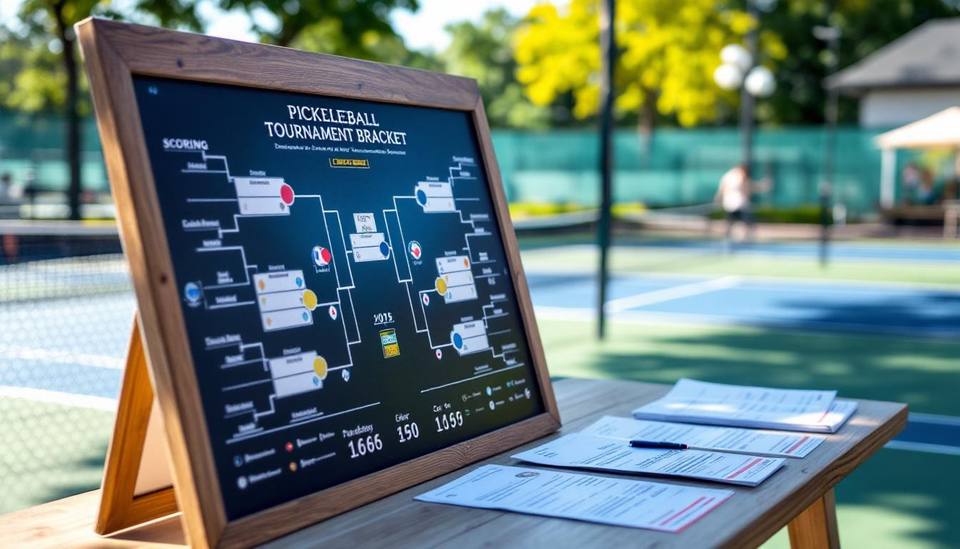
Southwest Florida's pickleball high season runs from November through April. This is when temperatures are in the 70s and low 80s most days, humidity is low, and the snowbird population swells the court population. It is also when the most organized play, lessons, and tournaments happen. If you want the full experience - packed drop-in sessions, instruction, tournaments, social play - visit between January and March.
November and December are a sweet spot: cool enough for comfortable play, but the snowbird crowds have not fully arrived yet. April is the tail end of the season and includes US Open week, which is a destination visit in itself. May is warm but still manageable in mornings and evenings. June through September is outdoor-unfriendly most days, but early-morning play, indoor courts, and evening leagues still run, and the courts are uncrowded if you can tolerate the heat. October is the transition month - hot in the day, cooling down at night, with rain tapering off by month's end.
For weather-sensitive visitors, February and March are the absolute safest bets. Cloudless 75-degree days, dry air, and packed courts make it an ideal time to visit. Book accommodations early - these are the busiest months for SWFL tourism.
Court Etiquette and Drop-In Nights for Visitors
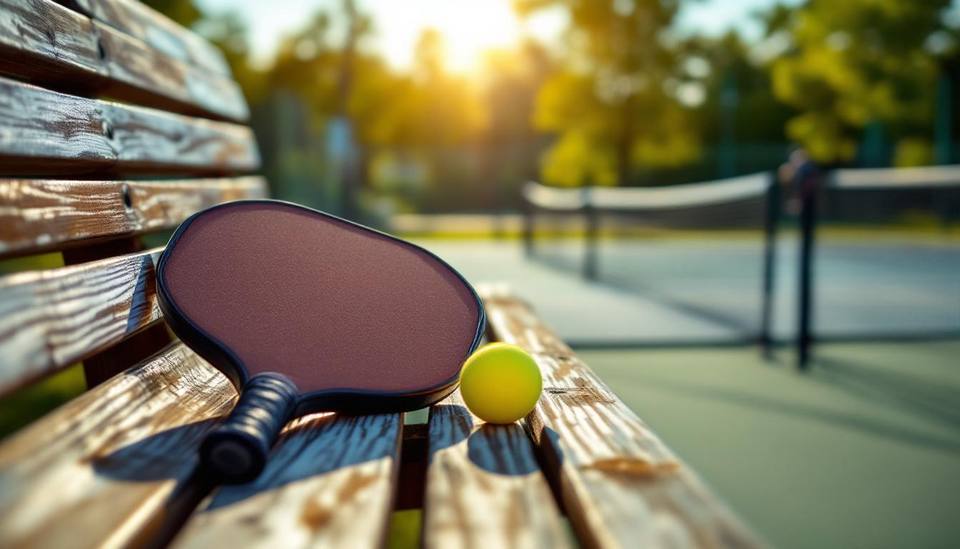
Pickleball has developed its own etiquette, and knowing the basics will help you slot into any SWFL drop-in game without feeling lost. At most public courts, the paddle-rack system governs rotation: when you arrive, you put your paddle in a queue (a rack, a fence slot, or a labeled board). When a court opens, the next four paddles on the rack play the next game. Games are typically played to 11, win by 2. After the game, those players come off and the next four go on.
The unspoken rules: do not linger on the court after your game if others are waiting. Do not play with the same partner repeatedly if it means blocking the rotation. Be generous with beginners - everyone was new once. Be loud with score calls so everyone knows the score. Do not give unsolicited lessons to opponents. If you are a stronger player and the rotation puts you with much weaker players, play at their level, hit to their backhands, and keep it fun.
Drop-in nights are the social heart of SWFL pickleball. East Naples Community Park runs organized drop-in by skill level on most evenings. Public parks in Fort Myers, Sarasota, and Cape Coral run similar sessions. Showing up once is awkward. Showing up three times makes you a regular. By week two of a snowbird stay, you will have players texting you asking if you are coming to play.
Pickleball Lessons and Clinics Across SWFL
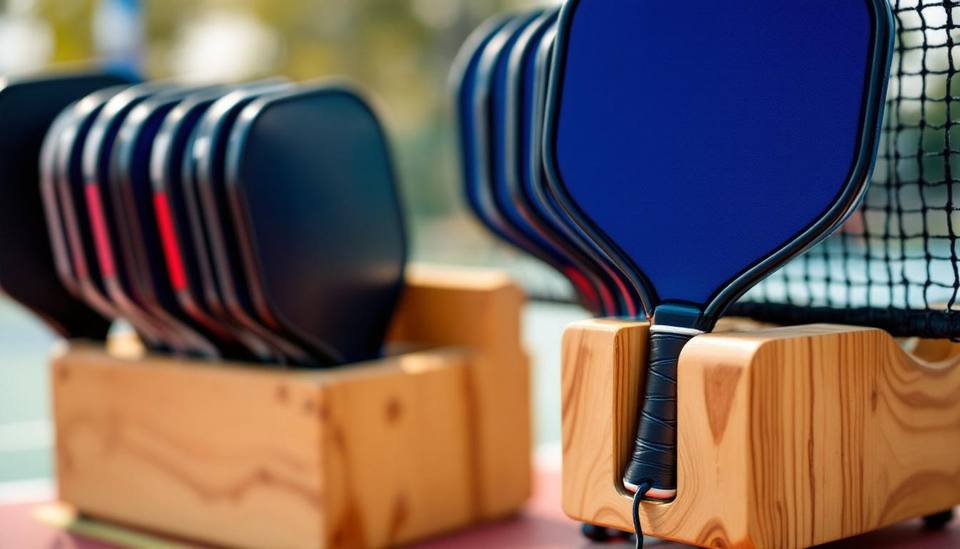
If you are new to pickleball or trying to break through a skill plateau, Southwest Florida is one of the best places in the country to take lessons. The density of USA Pickleball-certified instructors is among the highest anywhere. Group clinics at public parks cost as little as $15-25 per session and pack in hour-long focused instruction on specific skills (dinking, third-shot drops, serving, transition zone play).
East Naples Community Park runs a continuous stream of beginner, intermediate, and advanced clinics. Most other public parks have similar offerings, often with a local USA Pickleball pro leading the group. Private instruction with a named pro is more expensive ($60-120 per hour) but will move your game faster than any other investment. Many snowbirds budget for weekly lessons during their winter stay.
The most common lesson structures: beginner intro (two-hour weekend workshops for absolute newcomers), skill clinics (one-hour sessions targeting a specific skill), and private lessons (one-on-one or two-on-one). Naples has the most options, but every major city in SWFL has capable instruction available. Our guide to pickleball lessons and clinics in Naples is the most comprehensive resource for anyone looking to improve.
What to Pack for a SWFL Pickleball Trip
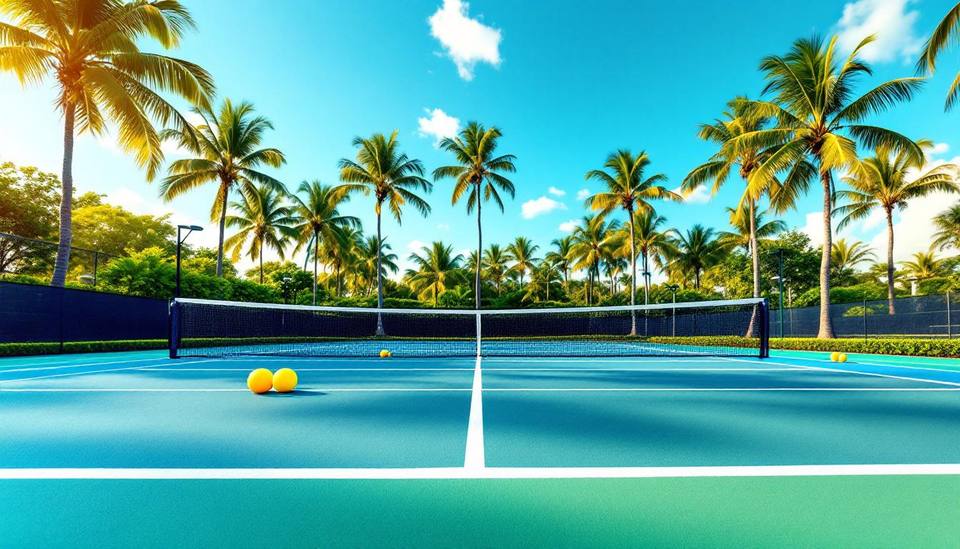
A SWFL pickleball trip is light on gear compared to most sports, but there are a few things that will make your trip better. Start with a good paddle - you do not need a top-end $250 paddle to play well, but a $60-100 mid-range paddle from a reputable brand will outperform anything you borrow on arrival. Bring two paddles if you have them, because you will be on court every day and sometimes you want a spare.
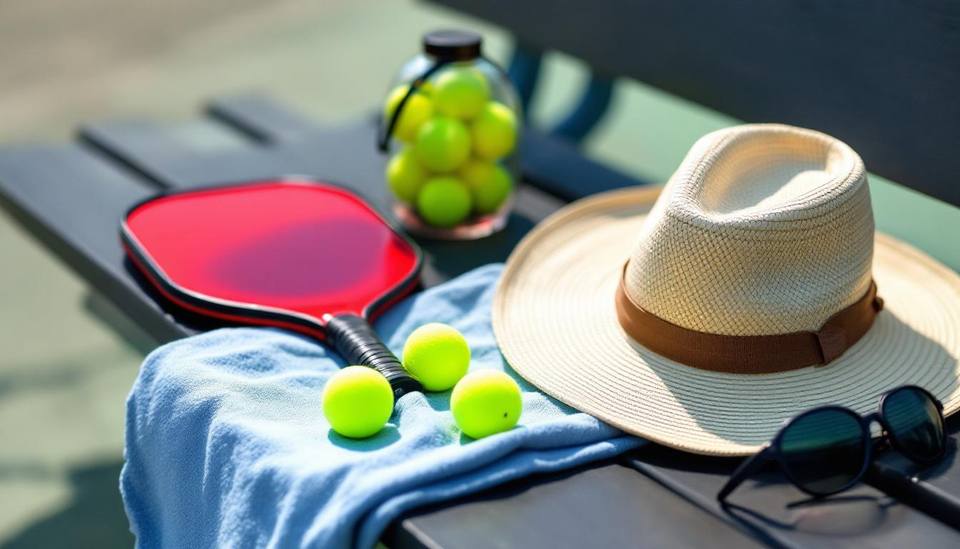
Court shoes are essential. Do not use running shoes - they have the wrong sole profile and can roll your ankle on quick side-to-side cuts. Pickleball-specific or tennis shoes designed for hard courts are the right choice. Bring moisture-wicking apparel, a wide-brim hat for outdoor play, polarized sunglasses, and plenty of sunscreen. A small cooler or insulated water bottle is important in any season - dehydration is real, especially for visitors from cooler climates who underestimate the Florida sun.
Other useful items: a small first-aid kit with blister patches, KT tape for knees or ankles, a spare change of clothes in the car for post-play errands, a collapsible shade umbrella for courts without shade, and a notebook to track the names and phone numbers of new pickleball friends. Our Florida beach packing list has additional tips for any SWFL trip.
Planning Your SWFL Pickleball Vacation
If you are planning a trip built around pickleball, here is the rough template most visitors follow. Pick a base city - Naples for the ultimate experience, Fort Myers for value and lower crowds, Sarasota for the cultural side, or Marco Island for beach-plus-courts. Book a rental with court access if possible (many vacation rentals in gated communities include court privileges). If not, plan on using public courts and paying daily passes at East Naples or similar.
Build your days around morning pickleball (7-10 AM) when it is cool, take a long lunch break, and optionally play again in the late afternoon (4-6 PM). Use the midday hours for the beach, lunch, a pool, or an excursion. Do not plan to play all day every day - the heat and the game itself will catch up with you. Two three-hour sessions per day is a heavy but realistic schedule.
Stay for at least a week. A three-day visit feels rushed; a seven-day visit lets you settle into a regular court, build a crew, and actually improve your game. Two weeks is even better. Many snowbirds rent for a full month and build their entire winter routine around pickleball. Whatever length of trip, arrive knowing the etiquette, bring your own paddle and court shoes, and be open to meeting people. Southwest Florida pickleball is famously welcoming, and you will leave with new friends.
Frequently Asked Questions
Is Naples really the pickleball capital of the world?
Yes, by most reasonable measures. Naples has more dedicated pickleball courts per capita than any other U.S. city, hosts the US Open Pickleball Championships annually, and has the largest concentration of serious recreational and tournament players anywhere. Other regions (the Villages in central Florida, parts of Arizona and Palm Springs) are large pickleball centers too, but Naples is typically ranked first for combined court count, tournament prestige, and community size.
Can visitors play at East Naples Community Park without being members?
Yes. East Naples Community Park operates on a daily-pass or multi-day-pass basis for non-residents. You do not need to be a member or a Naples resident. Show up, pay the pass fee (rates change annually - check the Collier County Parks and Recreation website), and you can play drop-in sessions, join clinics, and use the courts. During the US Open tournament week the park operates on a different schedule and is largely reserved for tournament play.
What skill level do I need to play in SWFL drop-in sessions?
Any level, as long as you pick the right session. Most public parks in Southwest Florida offer drop-in play separated by skill rating (2.5 beginner, 3.0 advanced beginner, 3.5 intermediate, 4.0+ advanced). Show up at a session labeled at or near your current level. If you are brand new, look for a beginner-welcome session, a structured clinic, or ask at the check-in desk - most facilities are friendly to newcomers and will point you to the right court.
What is the best month to visit Southwest Florida for pickleball?
February and March are the peak months - comfortable 70s temperatures, low humidity, dry weather, and the full snowbird pickleball scene in swing. April is also excellent, particularly if you want to experience the US Open Pickleball Championships. November, December, and January are also great with slightly smaller crowds. May through October is the off-season for outdoor pickleball due to heat and afternoon storms.
Do I need to bring my own paddle, or can I rent one?
Most public courts do not rent paddles. Many clinics and lessons provide loaner paddles for first-timers, and some private clubs have loaner equipment at the front desk. As a rule, plan on bringing your own paddle. A mid-range paddle ($60-100) from a reputable pickleball brand is the sweet spot for most recreational players. Tennis and racquet stores in Naples, Fort Myers, and Sarasota also sell paddles if you arrive without one.
Are there pickleball-specific vacation rentals in SWFL?
Yes, increasingly. Many gated communities in Naples, Fort Myers, Bonita Springs, and Estero include pickleball court access as part of their rental amenities. When booking a vacation rental, ask explicitly whether the community has pickleball courts and whether guests have access. Some resort properties (notably the JW Marriott Marco Island) have dedicated pickleball programming and courts on-site. Look for listings that mention "pickleball" in their amenities or contact the rental manager directly to confirm.
More Southwest Florida Guides
- Best pickleball courts in Naples
- Naples Pickleball Center and East Naples Park guide
- Pickleball lessons and clinics in Naples
- Best pickleball courts in Fort Myers
- Best pickleball courts in Cape Coral
- Best pickleball courts in Sarasota
- Best pickleball courts in Bonita Springs
- Best pickleball courts on Marco Island
- Best pickleball courts in Estero
- Best kayaking and paddleboarding in SWFL
- Best golf courses in Southwest Florida