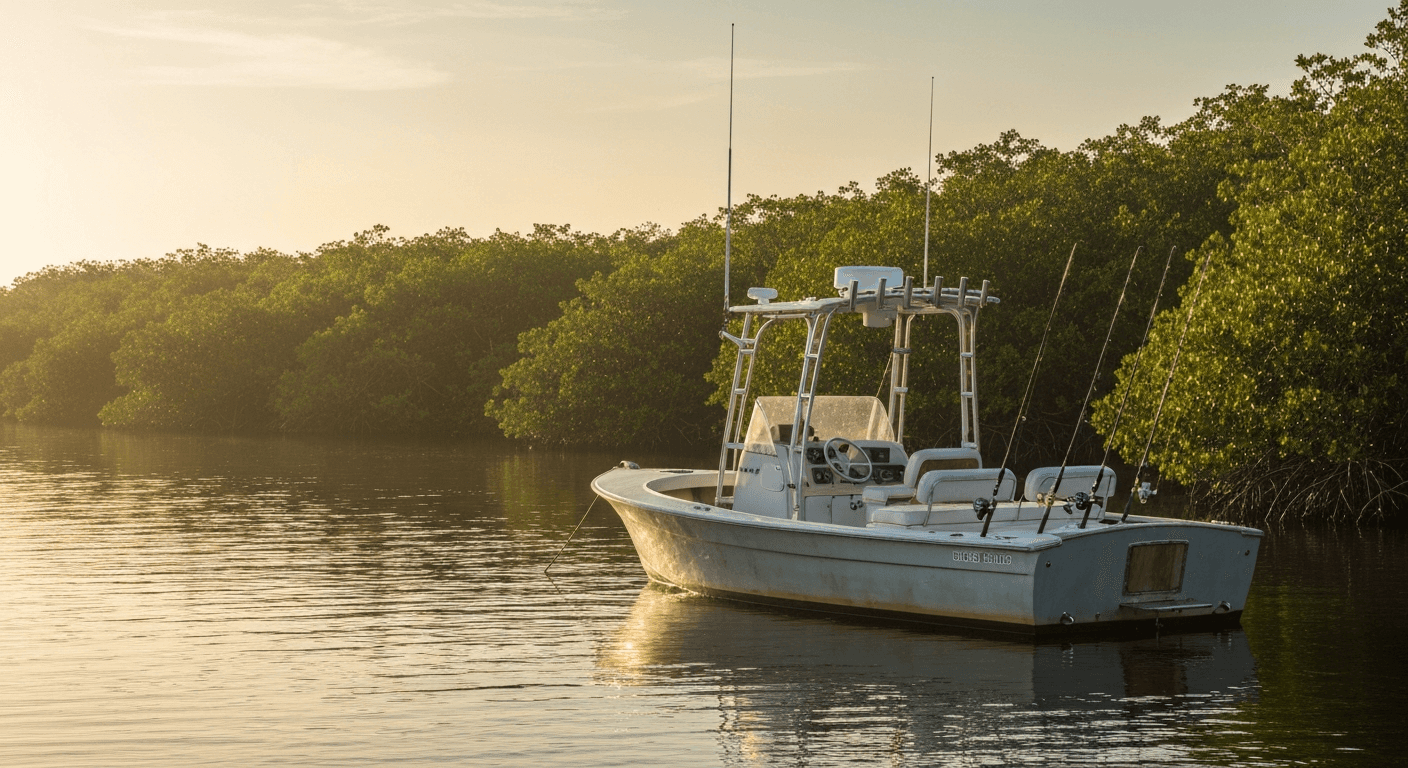
Southwest Florida is one of the premier fishing destinations in the entire United States. From the mangrove-lined backwaters of the Ten Thousand Islands to the deep waters of the Gulf of Mexico, the region delivers year-round opportunities for anglers of every skill level. Whether you want to sight-cast to redfish on a shallow flat, battle a 100-pound tarpon in Boca Grande Pass, or drop a line off a public pier with the family, SWFL has you covered.
This guide breaks down the best fishing in Southwest Florida by species, location, season, and technique so you can plan the perfect trip in 2026.
This article contains affiliate links. If you book through our links, we may earn a small commission at no extra cost to you. This helps support our local content.
Why Southwest Florida Is a World-Class Fishing Destination
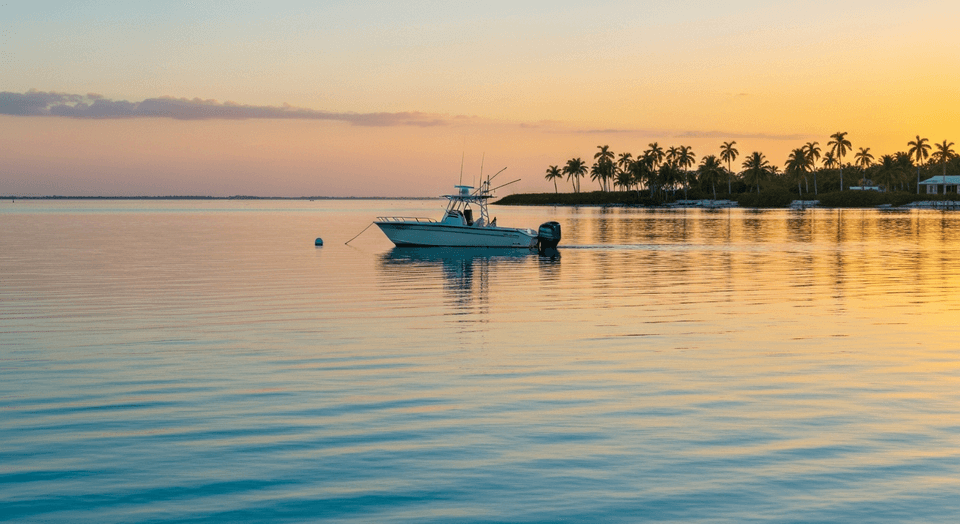
Southwest Florida's lower Gulf Coast functions as one massive, interconnected fishery. The mangrove backcountry around Everglades City flows into the Ten Thousand Islands, which opens toward Marco Island's passes and continues north along the Naples shoreline, across the grass flats toward Fort Myers, and up through Charlotte Harbor to Sarasota Bay. Warm Gulf waters, seagrass meadows, oyster bars, mangrove shorelines, and artificial reefs all combine to create ideal habitat for dozens of game fish species.
Several factors make SWFL fishing exceptional. The region sits where tropical and temperate species overlap, meaning you can target snook and tarpon alongside grouper and flounder depending on the season. The Gulf side has calmer waters than the Atlantic, making offshore trips more comfortable. And thanks to hundreds of miles of protected estuaries, backwater fishing stays productive even when the Gulf is too rough to venture offshore.
The fishing culture runs deep here. Boca Grande has been called the Tarpon Capital of the World for over a century. Naples Pier is one of the most productive fishing piers in Florida. And the guides working out of every marina from Sarasota to Everglades City collectively hold decades of knowledge about these waters.
Find guided fishing trips and boat tours across Southwest Florida
Browse SWFL Fishing Trips →
Inshore Fishing: Redfish, Snook, Trout, and Tarpon
Inshore fishing is the backbone of Southwest Florida angling. The region's protected bays, grass flats, mangrove shorelines, and tidal passes hold enormous populations of game fish within sight of land. You do not need a big boat or expensive offshore gear to have a world-class day on the water here.
Snook
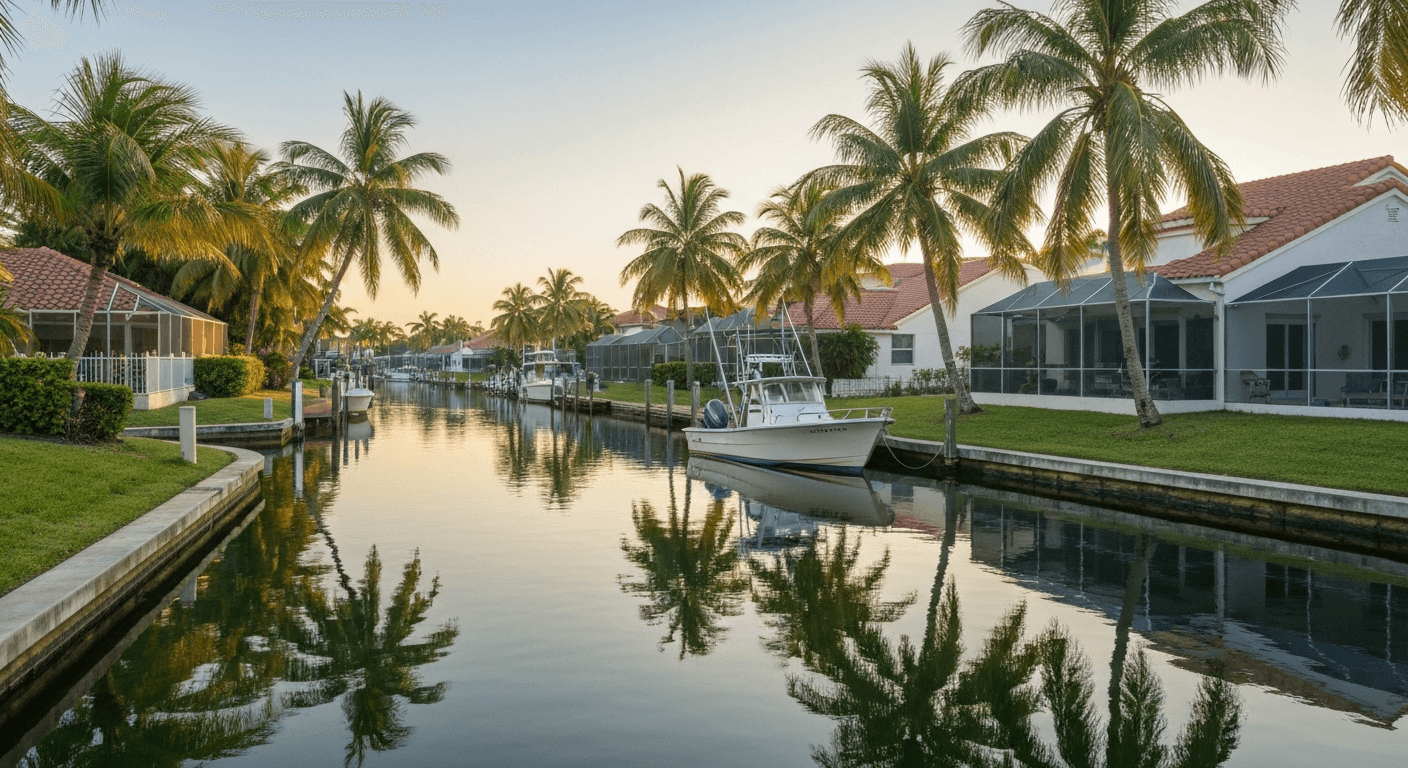
Snook are arguably the most popular inshore species in SWFL. These powerful, line-stripping fish hang around mangrove roots, seawalls, dock pilings, bridge shadows, and beach passes. They can be caught year-round, though winter months see less activity as snook are cold-sensitive and move into deeper holes and residential canals when temperatures drop.
The open season for snook in the Charlotte Harbor and Southwest region runs from March through April and again from October through November. The slot limit is 28 to 33 inches, with a one-fish-per-person bag limit. You need a $10 annual snook permit in addition to your saltwater fishing license to keep one. Many anglers practice catch-and-release regardless of season.
Best spots for snook: Naples Bay passes, Sanibel Lighthouse area, Caloosahatchee River bridges, Gasparilla Pass near Boca Grande, and the mangrove shorelines around Marco Island and the Ten Thousand Islands.
Redfish
Redfish (red drum) are a year-round target across SWFL. These copper-colored fish with the distinctive black tail spot cruise shallow flats, oyster bars, and mangrove edges. Sight-fishing for redfish on the flats is one of the most exciting experiences in inshore fishing. You can often see them tailing in shin-deep water as they root around for crabs and shrimp.
The bag limit is one fish per person, with a slot of 18 to 27 inches. Redfish are available year-round, but fall is prime time. From August through October, redfish school up in large groups that can sometimes be spotted from a distance as dark shadows moving across the flats.
Best spots for redfish: Pine Island Sound, Matlacha Pass, Estero Bay, Rookery Bay near Naples, and the flats around Sanibel and Captiva.
Spotted Seatrout
Spotted seatrout are one of the most accessible species for beginners. They hold over seagrass beds throughout SWFL's bays and are willing biters on both live bait and artificial lures. Trout are available year-round, though they tend to move into deeper potholes, troughs, and channel edges during the cooler months.
The bag limit for trout is four fish per person with a 15- to 20-inch slot limit. Larger trophy trout (called gator trout) over 25 inches are occasionally caught, particularly during winter months in deeper water.
Best spots for trout: Sarasota Bay grass flats, Pine Island Sound, Estero Bay, Naples Bay, and the flats surrounding Marco Island.
Tarpon
Tarpon are the apex target for many SWFL anglers. These prehistoric silver giants average 90 to 130 pounds and are known for explosive, acrobatic fights. Southwest Florida hosts one of the largest tarpon migrations on Earth, with fish pouring into Charlotte Harbor, Boca Grande Pass, and surrounding waters from April through October.
Boca Grande Pass, located between Gasparilla Island and Cayo Costa, is ground zero. The deepest natural pass in Florida funnels blue crabs and baitfish on the outgoing tide, drawing thousands of tarpon each spring. May through July is peak season in the pass, but tarpon remain in Charlotte Harbor and surrounding waters well into fall. Experienced anglers know the fishing stays productive long after the crowds thin out in July.
Tarpon are strictly catch-and-release in Florida. The only exception requires a pre-purchased tarpon tag for an IGFA world record attempt.
Best spots for tarpon: Boca Grande Pass, Charlotte Harbor flats, Sanibel Lighthouse channel, Naples passes, and the bridges along Pine Island.
Offshore and Deep Sea Fishing: Grouper, Snapper, Kingfish, and Mahi
The Gulf of Mexico offers outstanding offshore fishing for bottom dwellers, pelagic species, and everything in between. SWFL's Gulf waters feature natural limestone ledges, artificial reefs, wrecks, and offshore towers that attract a wide range of species. Most offshore charters run out of Naples, Fort Myers Beach, Sarasota, and Boca Grande.
Grouper
Multiple grouper species inhabit SWFL's offshore waters, including red grouper, gag grouper, and black grouper. Red grouper are the most commonly targeted, found over hard bottom and reef structures in 60 to 120 feet of water. Gag grouper are prized for their size and fight, with fish regularly exceeding 20 pounds.
Grouper regulations change periodically, so always check the current FWC rules before heading out. Shallow-water grouper have a closure from February 1 through March 31 in federal waters seaward of the 20-fathom depth contour. Circle hooks are required when fishing for all reef fish species (grouper, snapper, amberjacks, triggerfish) in Gulf waters.
Best areas for grouper: Natural ledges 30 to 60 miles offshore of Naples, artificial reefs off Fort Myers Beach, and hard-bottom areas west of Sarasota. The R Tower, a decommissioned radio tower about 30 miles west of Naples, is a reliable grouper producer.
Snapper
Mangrove snapper, yellowtail snapper, lane snapper, and red snapper all inhabit SWFL waters. Mangrove snapper are the most accessible, found on nearshore reefs, bridges, and docks as well as offshore structure. Red snapper seasons are limited and closely regulated by federal authorities, with short windows that vary by year.
Note that new regulations for lane snapper take effect on April 1, 2026, so check FWC updates before targeting this species.
Kingfish (King Mackerel)
King mackerel migrate along the Gulf Coast and are available in SWFL from fall through spring. These fast-swimming fish provide explosive strikes and strong runs. Kings are commonly caught by slow-trolling live bait along the beach or over nearshore reefs and wrecks. During their peak migration in October and November, kingfish sometimes come close enough to shore to be caught from piers.
Mahi-Mahi (Dolphinfish)
Mahi-mahi are a pelagic species found in the bluewater well offshore, typically 40 or more miles out from SWFL. They congregate around floating debris, weed lines, and current edges. Spring through fall is the best window, with summer often producing the hottest action. Most anglers targeting mahi book full-day offshore charters that can reach the deeper waters where these fish roam.
Cobia
Cobia migrate through SWFL waters in spring, often spotted swimming near the surface alongside rays or sea turtles. Sight-fishing for cobia from a tower boat is a thrilling technique. They are also caught around offshore structure like the R Tower and the Kidd Wreck, a sunken barge about 15 miles off Naples.
Find waterfront hotels near the best fishing spots
Find Waterfront Hotels →
Best Fishing Spots by Region
Southwest Florida stretches from Sarasota south to the edge of the Everglades, and every area along that coastline has productive water. Here is a breakdown of the top fishing areas.
Naples and Marco Island
Naples offers a rare combination of sophisticated downtown culture and world-class fishing just minutes away. Naples Bay funnels into several passes that hold snook, tarpon, and redfish. The things to do in Naples extend well beyond the beach, and fishing ranks near the top.
Naples Pier is one of the most productive public fishing spots in the state. You do not need a license to fish from the pier, and it attracts snook, tarpon, pompano, sheepshead, and Spanish mackerel depending on the season. A snack shop on the pier sells bait.
Marco Island sits at the gateway to the Ten Thousand Islands, one of the premier backcountry fisheries in Florida. Dollar Bay, Indian Key Pass, and the mangrove-lined channels between Marco and Everglades City hold big snook, redfish, sheepshead, and flounder. Offshore, the Kidd Wreck and R Tower are reachable from Marco-area marinas.
Tigertail Beach on Marco Island and Clam Pass Beach in Naples are also productive for surf fishing, particularly on the incoming tide.
Fort Myers and Sanibel-Captiva
The Fort Myers area centers on the Caloosahatchee River, Pine Island Sound, and the barrier islands of Sanibel and Captiva. The Caloosahatchee holds snook around its bridges and seawalls, and largemouth bass and peacock bass in its upper freshwater reaches. If you are looking for things to do in Fort Myers beyond the beach, a fishing trip on the Caloosahatchee should be on the list.
Sanibel Island's Lighthouse Pier and the deep channel in front of it are legendary for snook fishing. Strong currents trap baitfish in the channel, and thousands of fish move between Estero Bay and the Gulf through this natural funnel every day. Much of Sanibel is a national wildlife preserve, which means less fishing pressure and healthier fish populations than many neighboring areas.
Pine Island Sound, the body of water between Pine Island and Sanibel-Captiva, is packed with grass flats that hold redfish, trout, and snook year-round. Fort Myers Beach Pier is another good option for anglers who want to fish without a boat or a license.
Punta Gorda and Charlotte Harbor
Charlotte Harbor is the second-largest estuary in Florida and one of the most productive fishing grounds in the state. The Peace River, Myakka River, and several creeks feed into the harbor, creating a nutrient-rich environment that supports massive fish populations. For anglers who enjoy the small-town atmosphere, the things to do in Punta Gorda include some of the best inshore fishing in the region.
Boca Grande Pass at the mouth of Charlotte Harbor is the undisputed tarpon capital. But the harbor itself holds excellent year-round fishing for redfish, snook, trout, sheepshead, and flounder. Laishley Park Fishing Pier in downtown Punta Gorda stretches 500 feet over the Peace River and is a solid spot for sheepshead, snook, and mangrove snapper.
Other productive Charlotte County piers include Gilchrist Park Pier (260 feet), Port Charlotte Beach Pier (450 feet), and the Anger Fishing Pier in Englewood (360 feet over Lemon Bay).
Sarasota and Siesta Key
Sarasota Bay is a protected estuary loaded with snook, redfish, and trout. Longboat Key shelters the bay from Gulf swells, creating calm water that is ideal for flats fishing. Big Pass between Siesta Key and Lido Key features strong currents and bottom structure that concentrate fish. The bridges at Stickney Point and North Key are popular spots for both shore-based anglers and boaters, with the nighttime bite often being the most productive.
The Venice fishing pier and Nokomis Beach pier are additional options further south in Sarasota County. Turtle Beach Lagoon on Siesta Key has a park with a pier and a seawall section where larger predatory fish ambush passing baitfish.
Charter Fishing vs. DIY: What to Know
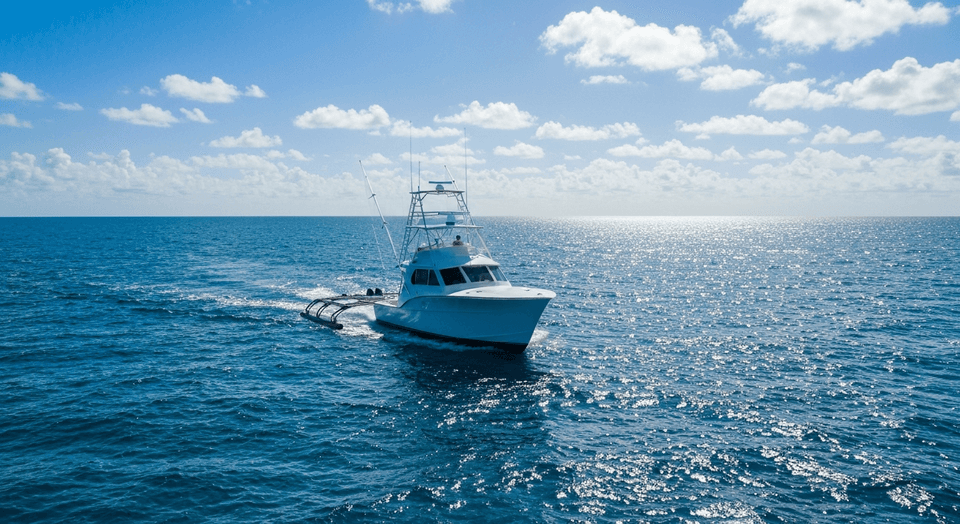
One of the first decisions to make for a SWFL fishing trip is whether to hire a guide or go it alone. Both approaches have advantages, and the right choice depends on your experience, equipment, and goals.
Why Hire a Charter
A professional fishing charter provides the boat, tackle, bait, and most importantly, local knowledge. SWFL guides spend every day on the water and know exactly where the fish are moving based on the season, tide, and conditions. For visitors unfamiliar with the area, a charter dramatically increases your chances of success.
Another major benefit is licensing. When you fish from a licensed charter vessel in Florida, individual anglers do not need to purchase their own saltwater fishing license. The captain's charter license covers everyone on board. This saves time and money, especially for families or groups.
Charter options in SWFL include half-day inshore trips (4 hours, typically $400 to $600 for a private boat), full-day inshore trips (6 to 8 hours, $600 to $1,000), half-day offshore trips (4 to 5 hours, $800 to $1,200), and full-day offshore or deep-sea trips (8 to 12 hours, $1,200 to $2,500 or more). Party boats or head boats offer shared trips at lower per-person costs, often $60 to $150 per person for a half-day.
Going DIY
If you have your own boat or are renting one, SWFL offers endless opportunities for self-guided fishing. Kayak fishing has also grown enormously in the region, with anglers launching from public ramps to fish mangrove shorelines and grass flats. Popular kayak launch points include Lovers Key State Park, Bunche Beach in Fort Myers, and Clam Pass in Naples.
For shore-based anglers, the region's many piers, bridges, seawalls, and beaches provide access to productive water without a boat. The key is matching your approach to the tide. Most inshore species feed more actively on moving water, so plan your fishing around the tide changes rather than just picking a random time.
Renting a Boat
Boat rentals are available throughout SWFL at marinas in Naples, Fort Myers Beach, Sanibel, Punta Gorda, and Sarasota. Rental rates for a basic center console range from $250 to $500 per day depending on the boat size and season. Freedom Boat Club also has locations across the region for members. If you are exploring the area by water, check out our guide to the best boat tours in Southwest Florida for additional options.
Fishing Licenses and Regulations
Understanding Florida's fishing regulations is essential before you cast a line. The Florida Fish and Wildlife Conservation Commission (FWC) manages all fishing rules, and violations carry fines.
Who Needs a License
Florida residents between 16 and 65 must have a valid saltwater fishing license to fish in saltwater. Residents 65 and older are exempt with proof of age and residency. All non-residents over 16 need a license. Children under 16 are exempt regardless of residency.
License Costs
For residents, an annual saltwater fishing license costs $17. A five-year license is available for $79. Florida residents who only fish from shore can obtain a free shoreline saltwater fishing license.
Non-residents pay $17 for a three-day license, $30 for seven days, or $47 for a full year. Non-residents are not eligible for the free shoreline license.
Special permits are required for certain species. A snook permit costs $10 annually. The State Reef Fish Angler Designation is free but required for anyone fishing for reef fish species. Licenses can be purchased online at GoOutdoorsFlorida.com, through the Fish Hunt Florida mobile app, at county tax collector offices, or by calling 888-347-4356.
Key Exemptions
You do not need a personal license when fishing from a licensed charter boat or from a pier that holds a pier fishing license. Naples Pier, Fort Myers Beach Pier, and most public fishing piers in the region are licensed, meaning you can fish there without purchasing your own license.
Important Regulations to Know
Florida state waters extend nine miles from shore on the Gulf side. Beyond that, federal regulations apply. Circle hooks are required for all reef fish species (grouper, snapper, amberjacks, triggerfish) in Gulf waters. Goliath grouper are fully protected and must be released immediately. Always check FWC's website at myfwc.com for the most current regulations before your trip, as seasons and bag limits can change.
Best Seasons and Months for Each Species
One of the great things about SWFL fishing is that something is always biting. However, timing your trip to the right season can make the difference between a good day and an unforgettable one.
Winter (December through February)
Winter brings sheepshead season across SWFL. These structure-oriented fish gather around bridges, docks, pilings, and rock piles in large numbers, making them a reliable winter target. Sheepshead fight well for their size and are excellent table fare.
Spotted seatrout move into deeper potholes and channel edges during cooler months, and this is when the largest trophy trout are caught. Redfish remain active but concentrate in warmer-water areas like deep canals and sun-warmed shallows. Snook become sluggish in cold water and gather in residential canals and deep holes near power plants.
Offshore, grouper and snapper fishing is productive through January before the shallow-water grouper closure begins in February.
Spring (March through May)
Spring is arguably the best overall season. Snook season opens in March, and these fish become increasingly active as water temperatures rise. Tarpon begin arriving in Charlotte Harbor and Boca Grande Pass in April, with the migration building through May.
Cobia migrate through SWFL waters in spring, often visible near the surface. Kingfish are still around from their winter migration. Offshore, the grouper closure lifts in April, reopening bottom fishing.
This is also when the famous Boca Grande tarpon scene ignites. Thousands of silver kings stack up in the pass from May onward, drawing anglers from around the world.
Summer (June through August)
Summer means tarpon, tarpon, and more tarpon. While the crowds at Boca Grande thin after June, the fish remain in Charlotte Harbor and surrounding waters through the summer. Nighttime tarpon fishing under lighted bridges and docks produces explosive action after dark.
Mangrove snapper fishing peaks in summer around inshore structure and nearshore reefs. Offshore, mahi-mahi, red snapper (during brief federal season openings), and various snapper species provide action in deeper waters. The summer heat pushes many species into early morning and late evening feeding patterns.
Fall (September through November)
Fall is the sleeper season that experienced SWFL anglers love. The redfish mullet run begins in September and October, with large schools of redfish feeding aggressively along beaches and in passes. Snook season reopens in October. Kingfish begin their southward migration along the Gulf Coast, showing up around piers, nearshore reefs, and along the beaches.
Tarpon linger in Charlotte Harbor through October. Pompano begin arriving along the beaches. And the overall fishing pressure drops significantly once the snowbirds and summer tourists depart, leaving more water and less competition.
Pier and Shore Fishing Options
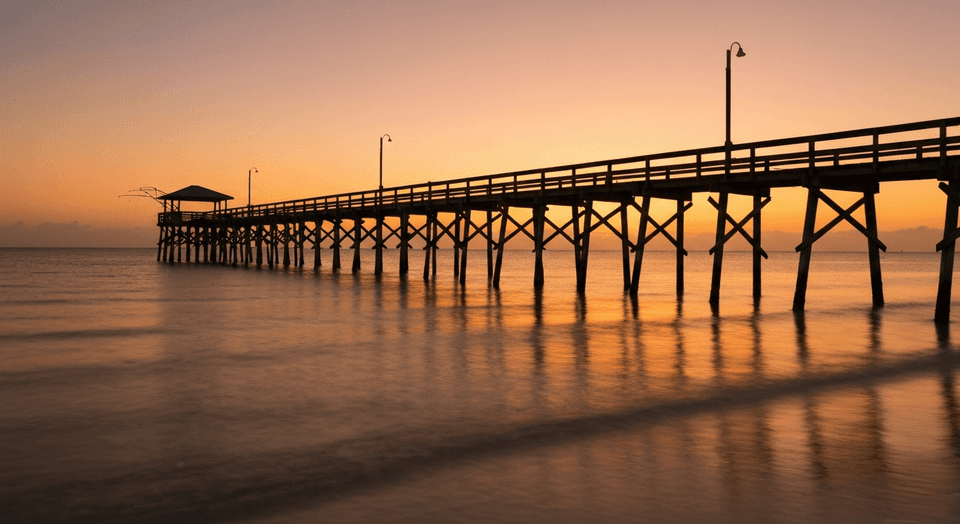
You do not need a boat to catch fish in Southwest Florida. The region offers excellent pier, bridge, beach, and seawall fishing that is accessible to anglers of all ages and experience levels.
Top Public Fishing Piers
Naples Pier is the crown jewel of SWFL pier fishing. Extending into the Gulf from the end of 12th Avenue South, this historic pier attracts snook, tarpon, pompano, Spanish mackerel, sheepshead, and permit depending on the season. No license is required. A snack shop sells bait and basic tackle.
Fort Myers Beach Pier is another license-free option that produces snook, redfish, sheepshead, and whiting. The pier is easy to reach and family-friendly.
Laishley Park Pier in Punta Gorda stretches 500 feet over Charlotte Harbor and the Peace River. Sheepshead, snook, mangrove snapper, and jack crevalle are common catches. Gilchrist Park Pier and Ponce De Leon Park piers offer additional options in the Punta Gorda area.
Port Charlotte Beach Pier is 450 feet long over Alligator Bay and sits within a 16-acre park with facilities.
Anger Fishing Pier in Englewood extends 360 feet over Lemon Bay, providing access to snook, trout, and redfish in the Lemon Bay Aquatic Preserve.
In Sarasota County, piers at Venice, Nokomis Beach, and the Turtle Beach area on Siesta Key offer additional opportunities.
Bridge and Seawall Fishing
Many of SWFL's bridges hold fish around their pilings and shadow lines, particularly at night. The Sanibel Causeway bridges, Matlacha Bridge near Pine Island, Stickney Point Bridge in Sarasota, and the various Caloosahatchee River bridges near Fort Myers are all productive spots. Sheepshead, snook, mangrove snapper, and black drum are common bridge catches.
Surf and Beach Fishing
SWFL beaches produce pompano, whiting, snook, and occasionally tarpon for wade fishers and surf casters. The incoming tide is generally the most productive time. Vanderbilt Beach and Clam Pass in Naples, Tigertail Beach on Marco Island, and Bowman's Beach on Sanibel are solid choices. Light tackle with shrimp, sand fleas, or small jigs works well for most beach species.
Backwater and Flats Fishing
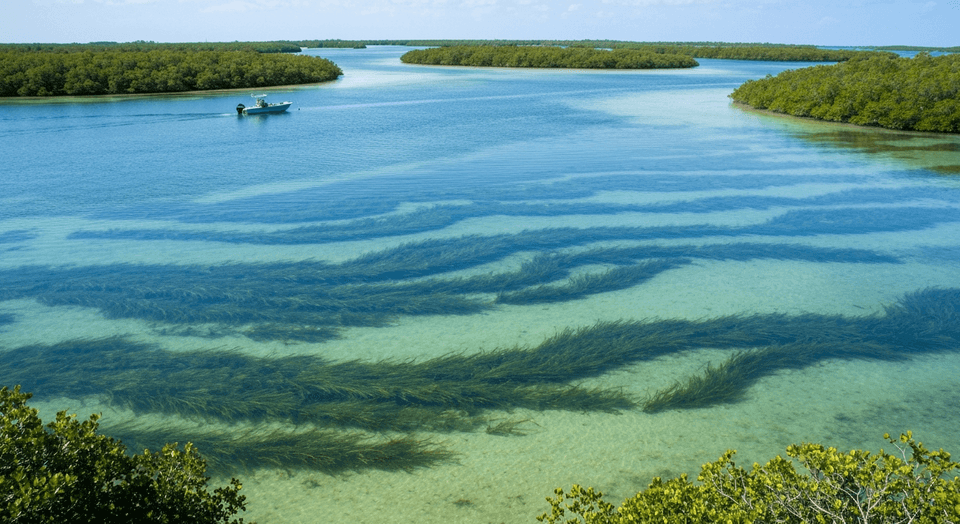
The backwater and flats fishery is what truly sets Southwest Florida apart from other coastal destinations. Thousands of acres of shallow grass flats, mangrove-fringed bays, and tidal creeks provide habitat for thriving populations of game fish in water often less than three feet deep.
Flats fishing in SWFL typically involves poling or drifting a shallow-draft skiff across seagrass beds while scanning for fish. Redfish tailing in the shallows, snook cruising mangrove edges, and trout hovering over sandy potholes in the grass are all common sights. The visual aspect of this style of fishing makes it particularly exciting.
Key backwater areas include Pine Island Sound (one of the largest seagrass ecosystems in Florida), Estero Bay (a state aquatic preserve), Rookery Bay near Naples, Sarasota Bay, and the labyrinth of mangrove islands in the Ten Thousand Islands.
Fly fishing has a devoted following on the SWFL flats. Sight-casting to redfish and snook with a fly rod on a calm morning is considered by many anglers to be the pinnacle of inshore fishing. Tarpon on the fly, particularly in the shallow water around Charlotte Harbor in the spring, is a bucket-list experience.
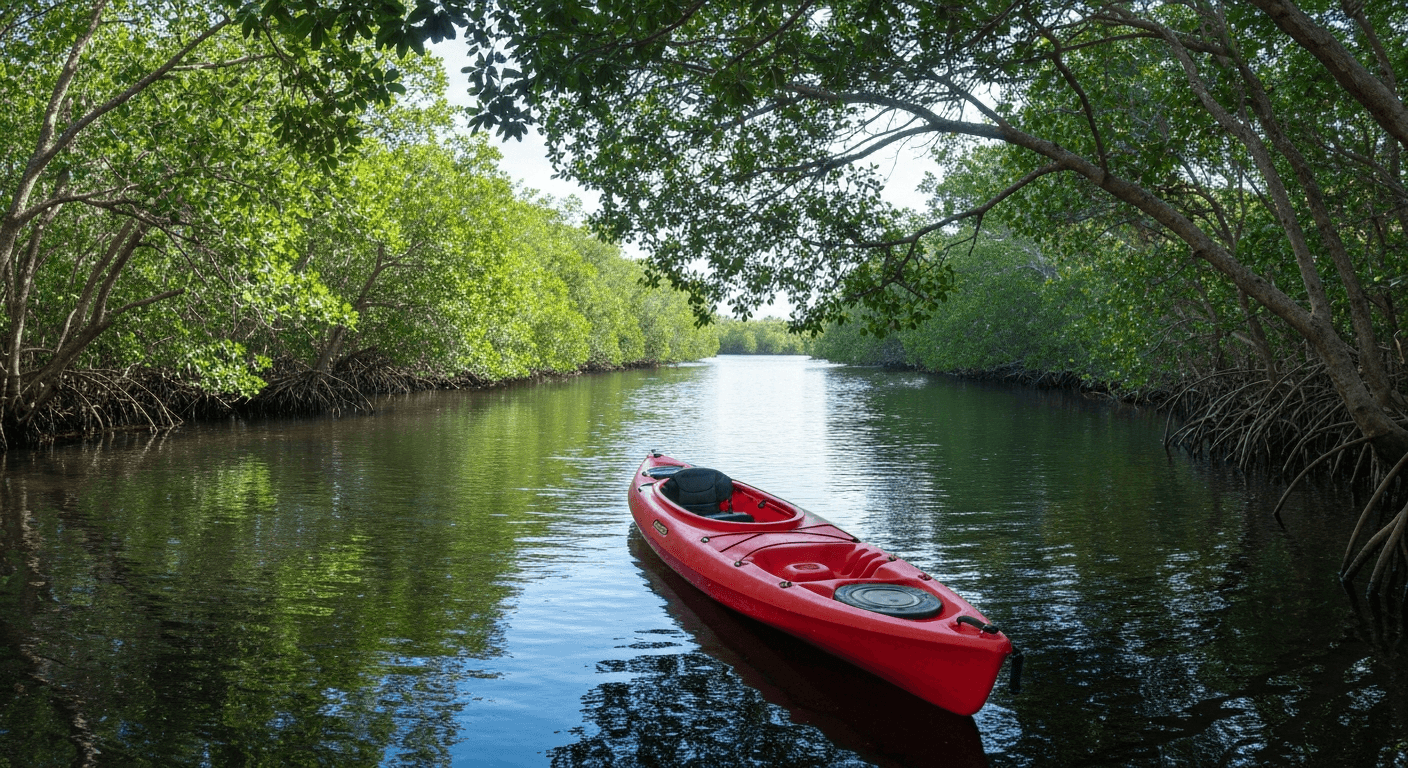
Kayak fishing is another popular way to access the backwaters. Kayaks can reach skinny water that even flats boats cannot, and the silence of a paddle-powered approach helps avoid spooking fish. Launch from Lovers Key State Park to fish Estero Bay, from Bunche Beach to access the southern end of Pine Island Sound, or from any number of public ramps in the Ten Thousand Islands.
Find guided fishing trips and boat tours across Southwest Florida
Browse SWFL Fishing Trips →
Tips for Beginners
If you are new to saltwater fishing or visiting SWFL for the first time, these tips will help you make the most of your experience.
Start with a charter. A half-day inshore charter with a local guide is the fastest way to learn the basics and catch fish. The captain handles the boat, provides all equipment, and puts you on fish. You will learn more in four hours with a guide than in a week on your own.
Fish the tides, not the clock. In SWFL, tidal movement is the single biggest factor in whether fish are biting. Moving water pushes bait through passes, over flats, and along shorelines, triggering feeding activity. Check a local tide chart and plan to fish during the two hours before and after a tide change for the best action.
Match the bait to the season. Live shrimp is the universal bait in SWFL and works for nearly every inshore species year-round. Live pilchards (whitebait) are deadly during summer and fall. Cut bait works well for bottom species and from piers. For artificial lures, soft plastic jigs in natural colors are a versatile choice.
Protect yourself from the sun. SWFL sun is intense, even in winter. Wear a long-sleeve sun shirt, a wide-brimmed hat, quality polarized sunglasses (which also help you spot fish), and plenty of waterproof sunscreen. Bring more water than you think you need.
Learn basic fish handling. Wet your hands before touching a fish to protect its slime coat. Support the fish horizontally rather than holding it vertically by the jaw. If you are releasing the fish, minimize the time it spends out of the water. Use barbless hooks or pinch your barbs to make releases faster and less harmful.
Check regulations before you go. Seasons, bag limits, and slot sizes change regularly. Download the Fish Rules app or check myfwc.com the day of your trip. When in doubt, release the fish.
Bring the right footwear. If you are wading the flats or fishing from the beach, wear closed-toe water shoes to protect your feet from oyster shells, stingrays, and sharp objects on the bottom. Shuffle your feet when wading to avoid stepping on a stingray.
For more activities to enjoy between fishing trips, check out our guide to the best beaches in Southwest Florida where many of these fishing spots are located.
Frequently Asked Questions
Do I need a fishing license to fish from a pier in Southwest Florida?
No. Most public fishing piers in SWFL, including Naples Pier and Fort Myers Beach Pier, hold a pier fishing license that covers everyone who fishes from them. You also do not need a personal license when fishing aboard a licensed charter boat. However, if you fish from your own boat, from shore (unless you are a Florida resident with the free shoreline license), or from a bridge, you will need a valid Florida saltwater fishing license.
What is the best month to go fishing in Southwest Florida?
There is no single best month because different species peak at different times. April and May are exceptional for tarpon at Boca Grande. October is outstanding for redfish. Winter months produce excellent sheepshead and trophy trout. Summer delivers great snapper and mahi-mahi offshore. If forced to pick one month, May offers the widest variety of active species with comfortable weather.
How much does a fishing charter cost in Southwest Florida?
Half-day inshore charters typically range from $400 to $600 for a private boat for up to two or three anglers. Full-day inshore trips run $600 to $1,000. Half-day offshore trips start around $800 to $1,200, while full-day deep-sea trips can range from $1,200 to $2,500 or more depending on how far offshore you travel. Shared party boat trips are more affordable at $60 to $150 per person for a half-day.
Can I eat the fish I catch in Southwest Florida?
Yes, many SWFL species are excellent table fare when caught within legal limits. Snapper, grouper, sheepshead, pompano, redfish (within slot), and spotted seatrout are all popular eating fish. Some species are catch-and-release only (tarpon, goliath grouper), and others have specific seasons and slot limits. Always check current FWC regulations for the species you are targeting, and be aware of any fish consumption advisories for your area.
What is the best bait for inshore fishing in Southwest Florida?
Live shrimp is the most versatile bait and works for nearly every inshore species year-round. Live pilchards (whitebait) are especially effective from late spring through fall for snook, redfish, trout, and tarpon. For artificial options, soft plastic paddle-tail jigs in white, root beer, or natural shrimp colors are reliable producers. Cut bait such as mullet or ladyfish works well for larger predators like tarpon and sharks.
Are there good freshwater fishing options in Southwest Florida?
Yes. Lake Trafford near Immokalee offers bass, catfish, and panfish in a scenic natural setting. The Golden Gate Canals in Naples are known for peacock bass, an exciting tropical species. The upper Caloosahatchee River near Fort Myers transitions to freshwater and holds largemouth bass and peacock bass. A separate freshwater fishing license is required for these spots.