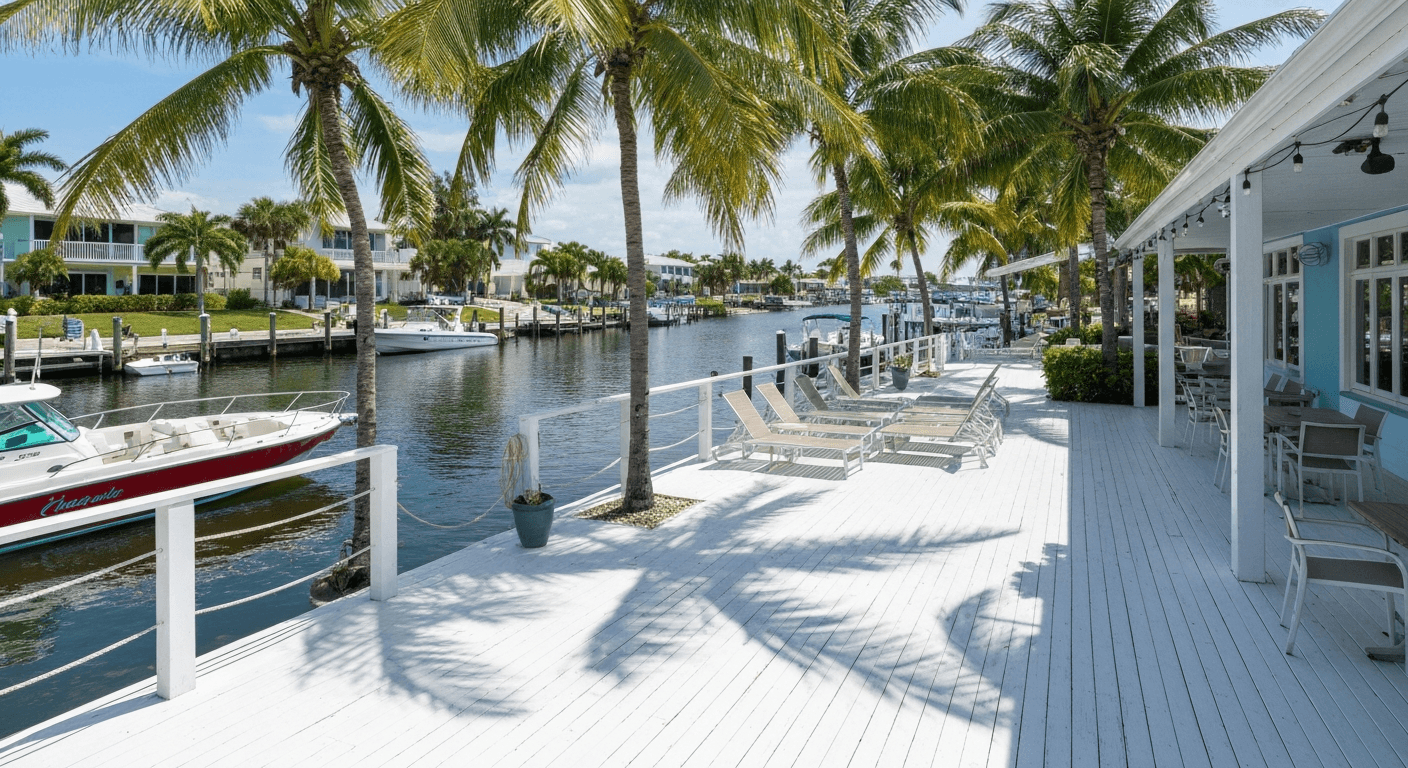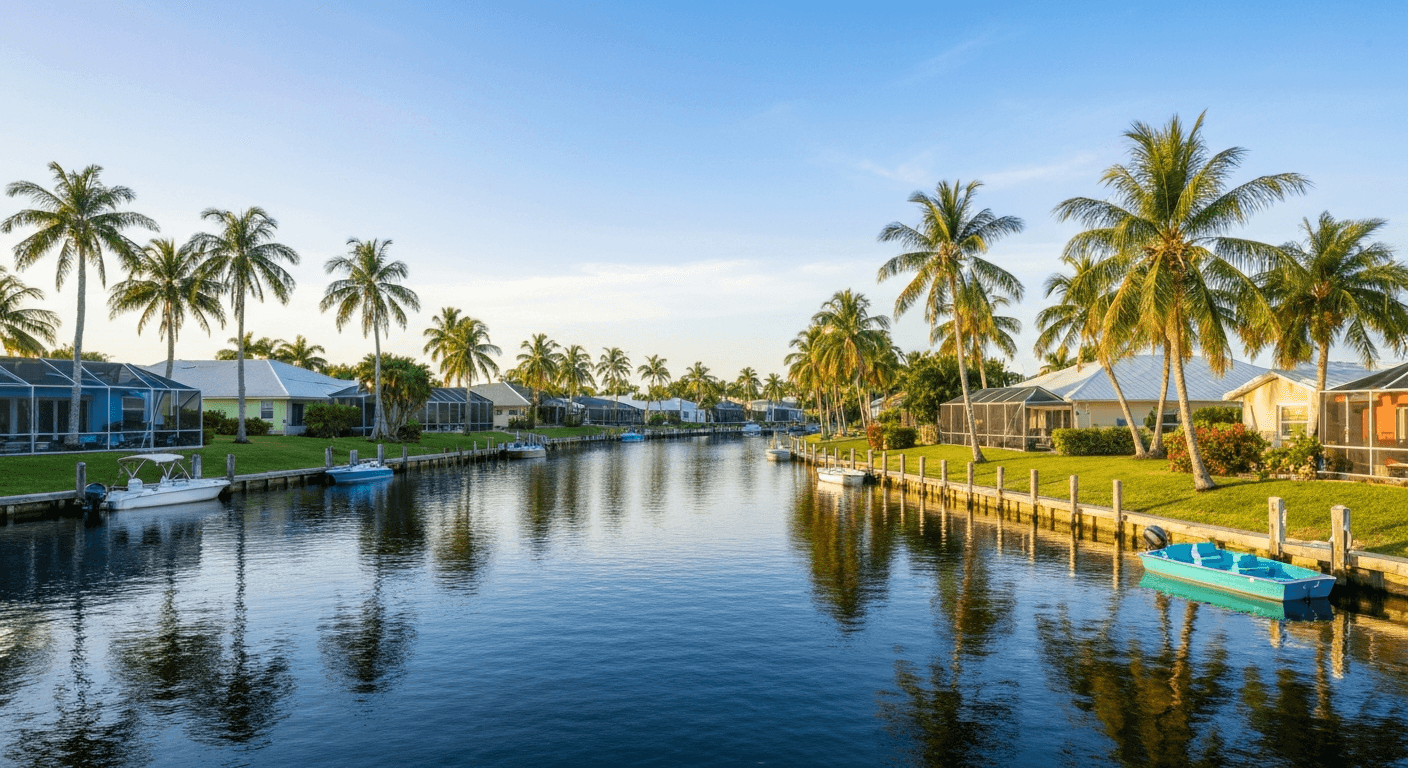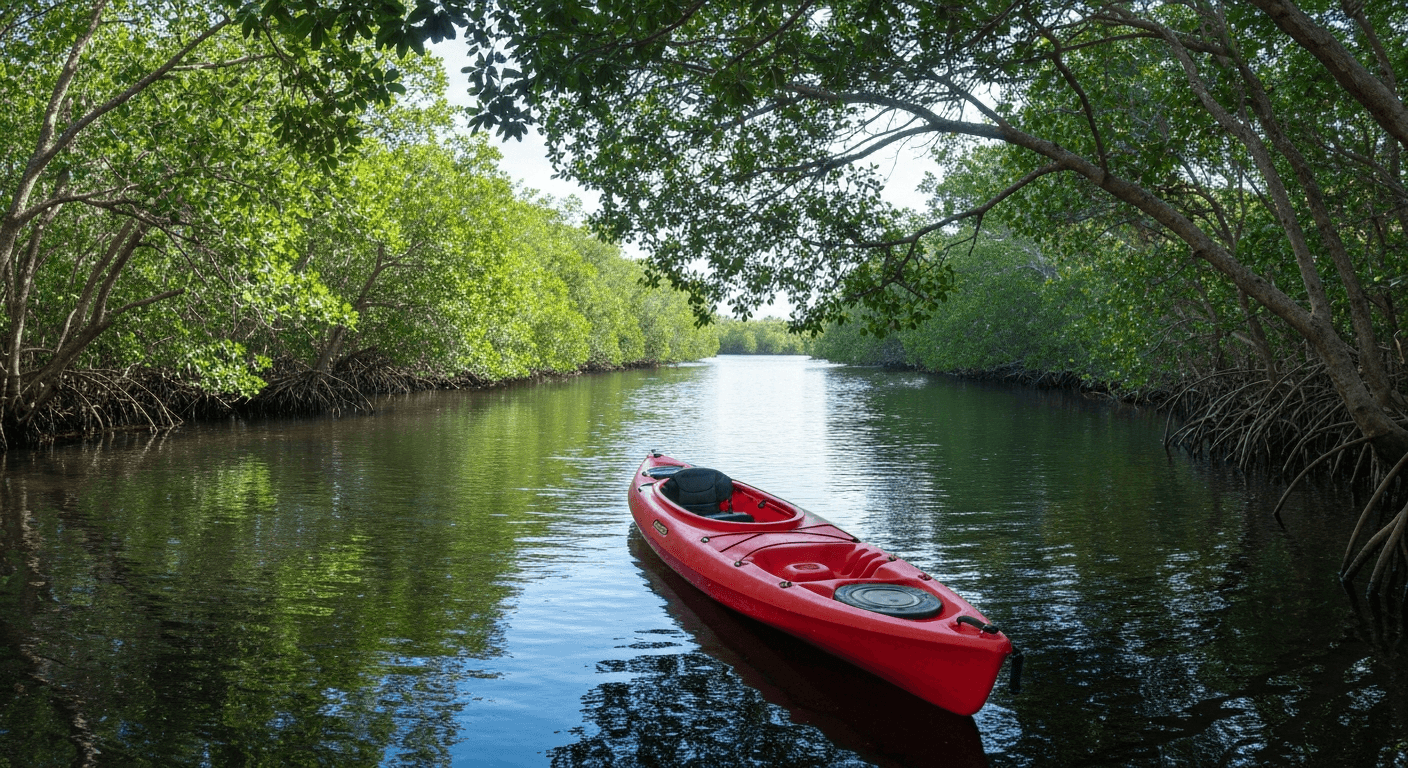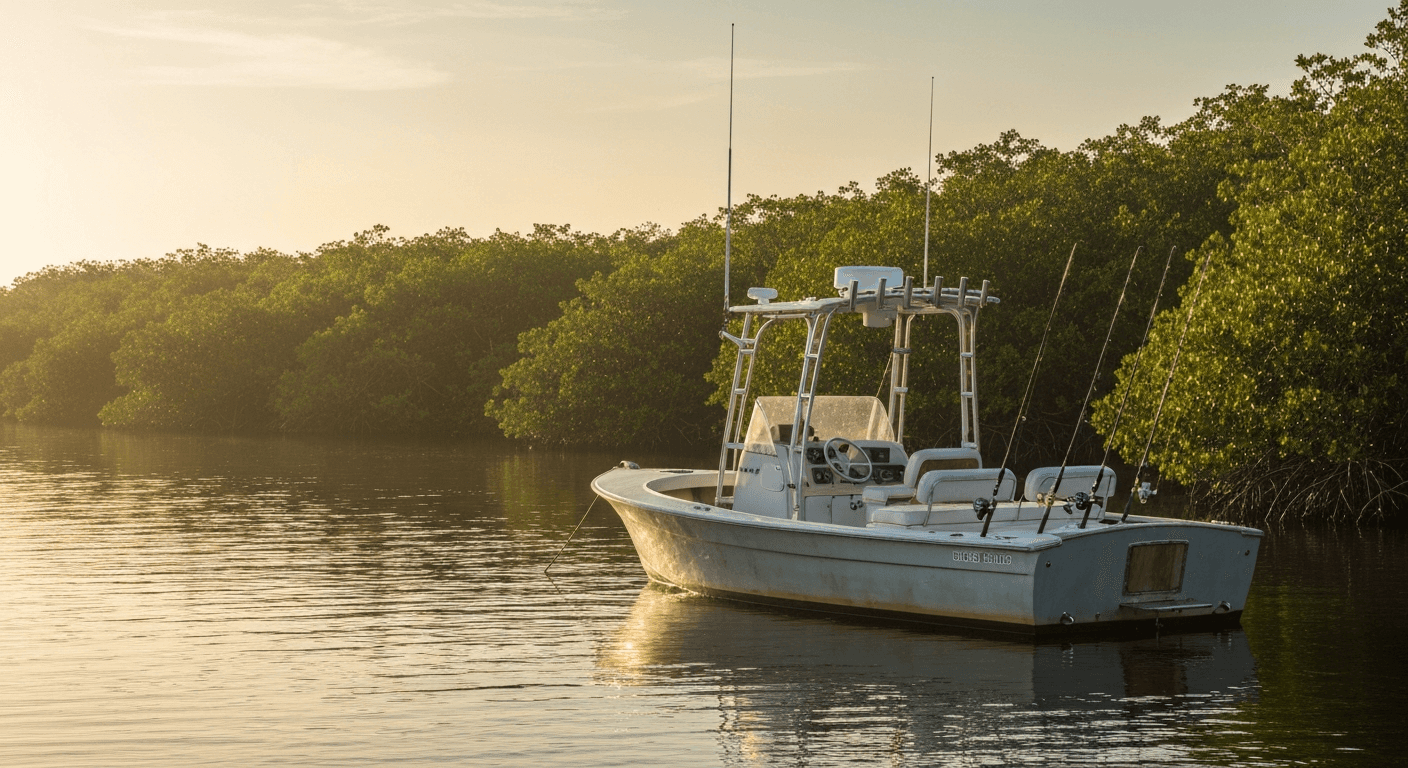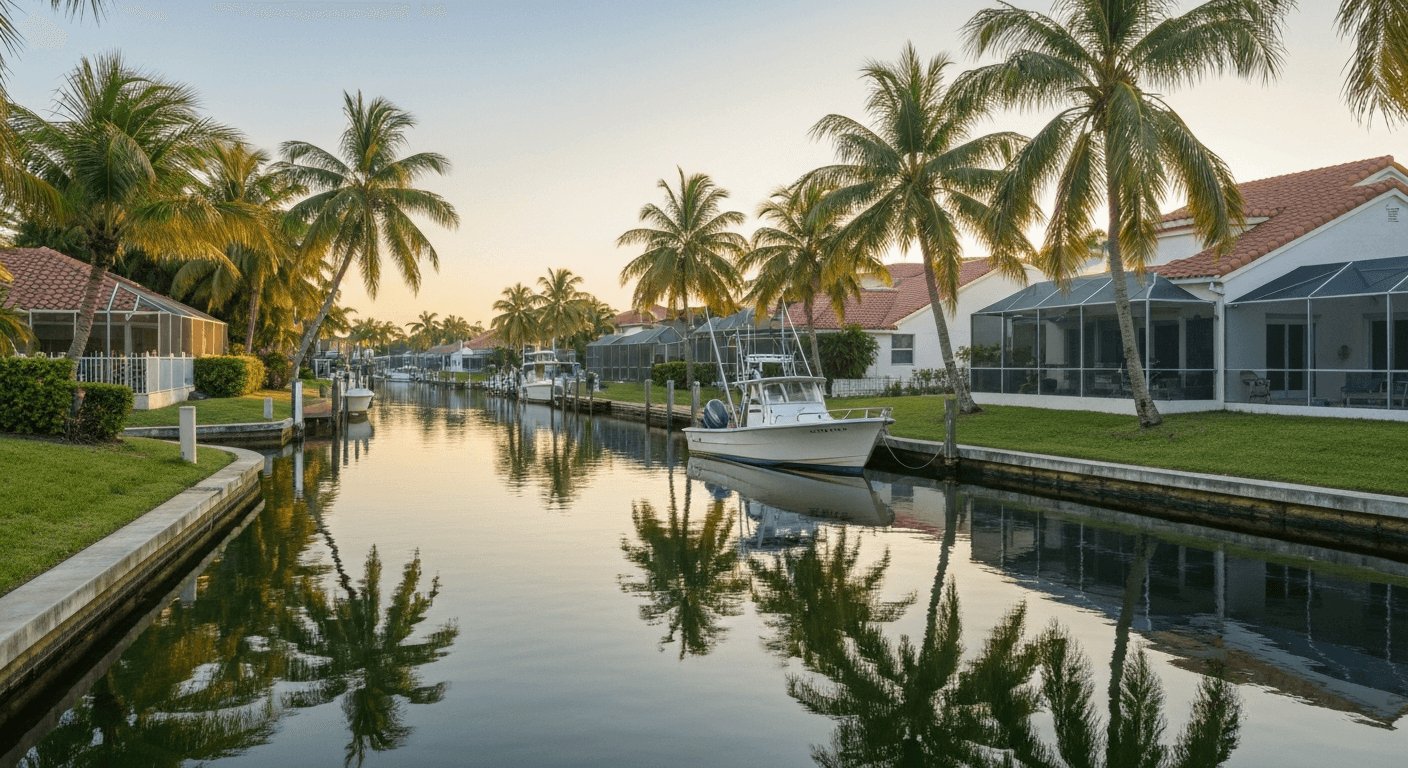
Cape Coral has more navigable canals than any other city in the world - 400 miles of waterways stretching through every neighborhood. Those canals are full of tarpon, snook, redfish, mangrove snapper, sheepshead, and seatrout. Beyond the canals, Cape Coral sits between two legendary fishing grounds: the Caloosahatchee River on the east and Matlacha Pass on the west, with quick boat access to Pine Island Sound - one of Florida's top tarpon destinations.
This guide covers every major Cape Coral fishing option - from canal-side casting behind your rental home to offshore tarpon charters - with charter prices, seasonal timing, and insider tips.
This article contains affiliate links. If you book through our links, we may earn a small commission at no extra cost to you. This helps support our local content.
Why Cape Coral Is a Top Fishing Destination
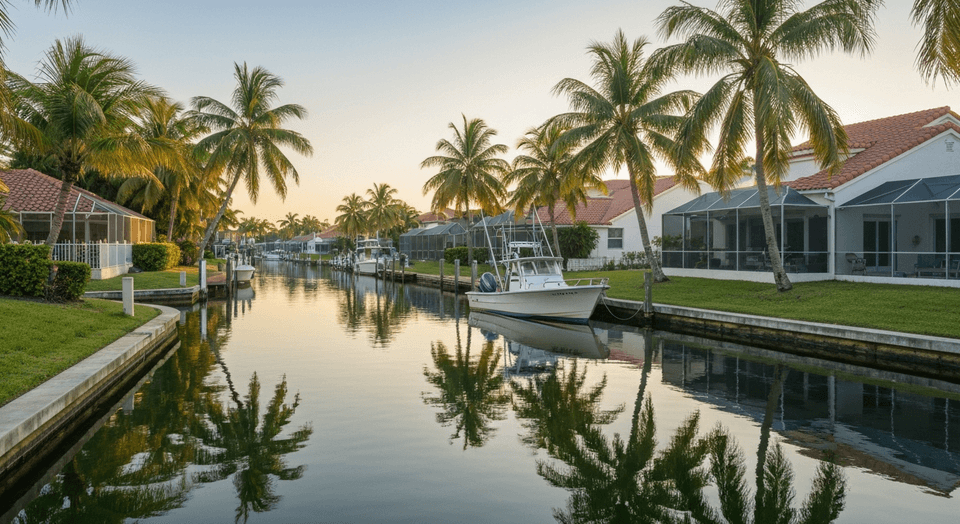
Cape Coral's unique geography makes it one of the most accessible fishing cities in the United States. The city sits on a peninsula surrounded by water - Caloosahatchee River to the east, Matlacha Pass to the west, and the Gulf within a short boat ride to the south. Between those boundaries, 400 miles of interconnected brackish canals run through every residential neighborhood.
That means fishing in Cape Coral happens at three distinct scales:
- Canal fishing - dock fishing behind residential homes, extremely accessible, catches big fish
- Bay and pass fishing - Matlacha Pass, Pine Island Sound, Caloosahatchee estuary
- Offshore fishing - Gulf reefs within a 30-40 minute boat run
The canal fishing is genuinely rare - most Cape Coral rental homes come with a private dock, and many have direct canal access to the Gulf without any locks or bridges to navigate.
For a broader view of water activities, see our guide to the best boat tours in Southwest Florida.
Canal fishing guides, Matlacha Pass trips, Pine Island Sound tarpon charters, and Gulf offshore trips
Browse Cape Coral Fishing Trips →
Quick Answer: Cape Coral Fishing at a Glance
| Scenario | Go here | Rough cost | What you'll catch |
|---|---|---|---|
| Canal fishing from a rental dock | Backyard canal | Free if you have a pole | Snook, tarpon, snapper, sheepshead |
| Matlacha Pass inshore charter | Matlacha launch | $450-650 half-day | Snook, redfish, tarpon, snapper |
| Pine Island Sound tarpon | Cape Coral → Sound | $700-1,200 full-day | Tarpon, snook |
| Family-friendly Gulf trip | Gulf reefs | $600-850 half-day | Grouper, snapper, mackerel |
| Budget, shared trip | Party boat | $70-120/person | Mixed reef species |
| Kids + casual | Four Mile Cove / public pier | Free | Panfish, snook, small species |
Canal Fishing - Cape Coral's Unique Advantage
Cape Coral's canal system is effectively the largest fishing pier in the world. Many canals connect to the Caloosahatchee or Matlacha Pass without any bridges or tidal locks, which means marine species freely enter the canal network and are catchable from residential docks.
What You'll Catch in Cape Coral Canals
- Snook - The canals are full of them, especially near dock structure and mangrove shorelines. Year-round with seasonal peaks.
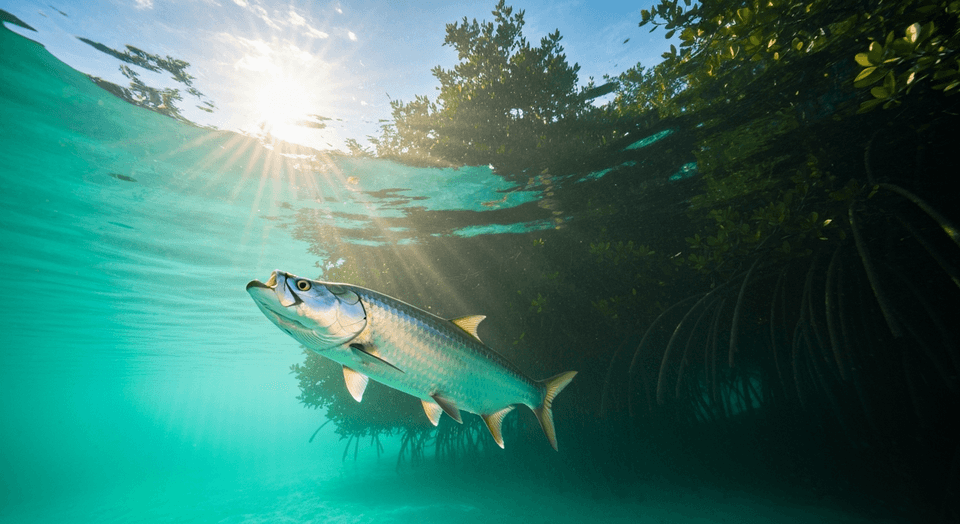
- Tarpon - Resident juveniles (20-50 lb) year-round; migrating adults (80-150 lb) April–August.
- Mangrove Snapper - Extremely common around dock pilings and rocky shorelines.
- Sheepshead - Winter MVP (December–March) around any structure.
- Redfish - Cruise the shorelines and mangrove edges.
- Seatrout - Over grass flats in the wider canal sections.
- Catfish - The freshwater sections and warm-water discharges.
Canal Fishing Tips
- Live shrimp is the top all-around bait - works for snook, snapper, sheepshead, redfish
- Incoming tide typically produces better bite than outgoing
- Shady dock edges hold snook and snapper during midday
- Warm-water discharges stack up fish during cold snaps
- Early morning and last light are the prime windows
If You're Renting a Cape Coral Home
Many Cape Coral vacation rentals come with a private dock on a canal. Some rental hosts leave fishing rods and tackle for guests - worth asking when booking. Even without gear, a $30 rod-and-reel combo from a local Walmart plus a $5 pack of live shrimp is enough to fish productively from the dock.
Matlacha Pass
Matlacha Pass is the narrow waterway between Cape Coral and Pine Island. It is one of the most productive fishing spots in Lee County - heavy tidal flow creates a natural feeding zone where snook, redfish, tarpon, and mangrove snapper stack up.
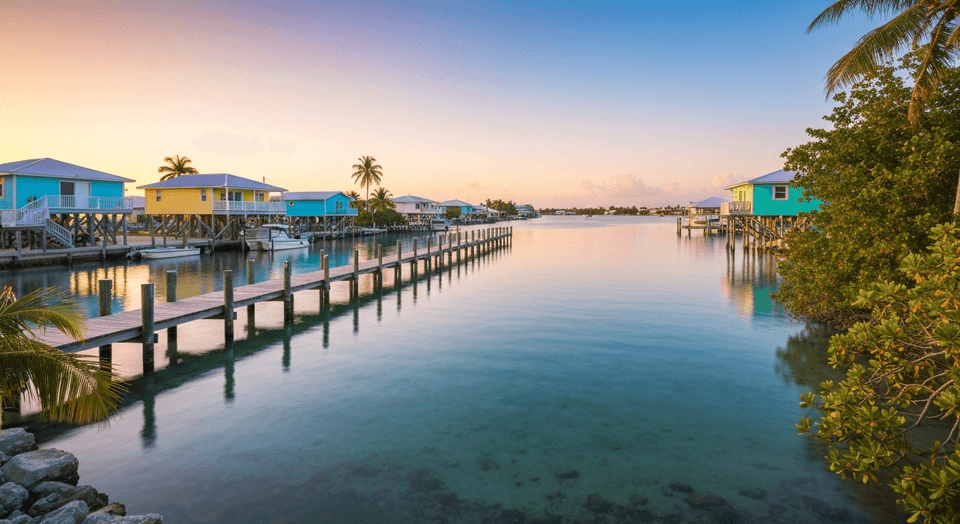
The village of Matlacha (population about 700) sits on a small island in the middle of the pass. It is a classic Florida fishing village - colorful stilt houses, a handful of seafood shacks, and multiple charter operations.
Matlacha Pass Fishing
- Snook - Around the Matlacha bridge pilings, mangrove shorelines, oyster bars
- Redfish - Schools over the flats and around oyster bars
- Tarpon - Juvenile tarpon year-round; migrating adults April–August
- Sheepshead - Winter around the bridge and dock structure
- Mangrove Snapper - Abundant around any structure
Matlacha Charter Pricing
Matlacha charters typically run:
- Half-day inshore (4 hours): $450–$650 for 2 anglers
- Full-day (8 hours): $750–$1,000
- Additional angler: $50 each
Most depart from Matlacha's charter-heavy waterfront. Charters include tackle, bait, and your fishing license.
Pine Island Sound - The Tarpon Fishery
Pine Island Sound stretches north of Matlacha Pass between Pine Island and Sanibel/Captiva. It is one of the most famous tarpon fishing destinations in the world. From April through July, migrating tarpon stage here in huge numbers.
Tarpon Season from Cape Coral
- Late March: First scouts arrive when water hits 75°F
- April: Season's true opening - pre-spawn tarpon stage in Pine Island Sound
- May–June: Peak season. 80-150 lb fish. Sound is thick with bait and fish.
- July: Final wave of the run
- August: Post-spawn, tapering off
Charter pricing: Pine Island Sound tarpon charters typically run $700-1,200 for a full day on a specialized bay boat. Most Cape Coral-based charters launch from either the city's public ramps or from Matlacha, with quick access to the sound.
Boca Grande Pass
Boca Grande Pass - 30-45 minutes by boat north of Cape Coral - is known as the "Tarpon Capital of the World." Some Cape Coral charters run Boca Grande trips during peak season, usually as full-day trips (8+ hours) at $900-$1,500+ prices. The fishing is legendary but access requires a longer run.
Caloosahatchee River
The Caloosahatchee River runs along Cape Coral's east side, eventually emptying into San Carlos Bay. The river is a productive fishing environment in its own right, with snook, tarpon, redfish, and seasonal cobia along the shorelines and around the Midpoint Memorial Bridge.
Caloosahatchee Launches
- Cape Coral Yacht Club Community Park - public boat ramp
- Tarpon Point Marina - launch with charter options
- Rotary Park - shore fishing access
Book a canal-front rental or hotel with direct water access
Find Cape Coral Hotels →
Offshore and Gulf Fishing from Cape Coral
Cape Coral is not a direct-Gulf city - boats run through the Caloosahatchee or Matlacha Pass, then out to San Carlos Bay and the Gulf. Near-shore Gulf reefs start 8-10 miles offshore; productive reefs extend 15-30 miles.
Near-Shore Reefs (8-15 miles from San Carlos Bay)
Productive for gag grouper, red grouper, mangrove snapper, and hogfish. Manageable on a half-day charter. Cobia, kingfish, and Spanish mackerel as bycatch when trolling between reefs.
Mid-Range Reefs (15-30 miles)
Larger grouper, snapper, amberjack, permit. Full-day charters required. Gag grouper season (summer) is the primary draw.
Deep Offshore (30+ miles)
Mahi-mahi, wahoo, blackfin tuna, occasional sailfish from late spring through fall. Specialized charters for swordfish and golden tilefish.
Offshore Charter Pricing
- Half-day (4-5 hours): $600-850 for 4 anglers
- Full-day (10-12 hours): $1,000-1,800
- Party boat half-day: $70-120 per person
Shore and Pier Fishing
If you don't have canal access and want shore fishing:
- Cape Coral Yacht Club beach - small beach and pier for basic shore fishing
- Jaycee Park - waterfront park with fishing piers on the Caloosahatchee
- Four Mile Cove Ecological Preserve - canoe/kayak access to productive flats
- Rotary Park Environmental Center - waterfront access
None of these match canal-dock fishing productivity, but they are free alternatives for visitors without water access.
Top Cape Coral Charter Companies
Cape Coral and Matlacha have a deep bench of charter captains. Based on typical TripAdvisor and FishingBooker ratings:
- Blue Line Fishing Charters - Inshore and backwater specialists, Matlacha
- Go Fish Charters - Boca Grande tarpon specialists
- Captain Experiences (aggregator) - Multiple Cape Coral captains
- AnyCreek (aggregator) - Multiple Cape Coral captains
Most charters depart from Matlacha (backwater/inshore), Cape Coral Yacht Club (river/Caloosahatchee), or Tarpon Point Marina (inshore/offshore).
Seasonal Fishing Calendar
Winter (December – March)
- Sheepshead - Winter MVP. Canals, docks, bridges, Matlacha.
- Black Drum - Canals and soft-bottom areas.
- Pompano - Run along Fort Myers Beach and near Sanibel Causeway.
- Snook - In canals and warm-water refuges during cold snaps.
- Offshore Grouper - Red grouper year-round in federal waters.
Spring (April – May)
- Tarpon - Season opens. Pine Island Sound fills.
- Snook - Transition to beaches and passes.
- Cobia - Spring migration.
- Kingfish - Near-shore trolling.
Summer (June – September)
- Tarpon - Peak Pine Island Sound and Boca Grande.
- Snook - Catch-and-release (closed to harvest May–August).
- Mangrove Snapper - Best of year.
- Gag Grouper - Federal season opens.
Fall (October – November)
- Mullet Run - Snook, tarpon, jacks, sharks crashing bait.
- Redfish - Prime on flats.
- Snook - Fall harvest window (October).
Fishing License Requirements
You do NOT need a license if:
- Fishing on a licensed charter
- Florida resident fishing from shore with rod and line only (free shoreline license)
- Fishing from a resident's private dock on their property
- Under 16 or 65+ Florida resident
You DO need a license if:
- Non-resident fishing from shore (3-day: $17, 7-day: $30, annual: $47)
- Fishing from a boat
- Using cast nets
Buy at GoOutdoorsFlorida.com.
Snook permit: $10 annual permit required to target snook.
Compare canal guides, Matlacha inshore trips, and Pine Island Sound tarpon charters
Book Cape Coral Fishing Charters →
Frequently Asked Questions
What is the best fishing in Cape Coral?
Canal fishing is Cape Coral's unique strength - fishing directly from residential docks is unlike anywhere else in the United States. For charters: Matlacha Pass inshore is the most accessible and productive option; Pine Island Sound tarpon fishing (April–July) is the bucket-list experience.
How much does a Cape Coral fishing charter cost?
Inshore / Matlacha charters run $450-650 for half-day (4 hours) for 2 anglers. Full-day Pine Island Sound tarpon charters run $700-1,200. Offshore Gulf charters start at $600-850 half-day and $1,000-1,800 full-day. Party boats (shared) are the budget option at $70-120 per person.
Can you catch tarpon in Cape Coral canals?
Yes - juvenile tarpon (20-50 lb) are resident in many Cape Coral canals year-round. Migrating adult tarpon (80-150 lb) enter the canals during the April–August run. Canal tarpon fishing is popular with local anglers - live pilchards or pinfish on the outgoing tide is the classic approach.
Where is Matlacha?
Matlacha (pronounced "MAT-la-shay") is a small fishing village on Matlacha Pass, the waterway between Cape Coral and Pine Island. It is about 15 minutes west of downtown Cape Coral, accessible via Pine Island Road. Known for colorful stilt houses, seafood shacks, and multiple charter operations.
When is tarpon season in Cape Coral?
April through July, with peak action in May and June. Pine Island Sound is the primary grounds. Boca Grande Pass (45 minutes north) is "Tarpon Capital of the World" and accessible from Cape Coral on full-day charters.
What fish can you catch in Cape Coral canals?
Snook, tarpon (juvenile and migrating adults), mangrove snapper, sheepshead, redfish, seatrout, catfish, ladyfish, jack crevalle. Live shrimp works as a general-purpose bait.
Where can I fish from shore in Cape Coral?
Cape Coral Yacht Club beach and pier, Jaycee Park, Rotary Park, Four Mile Cove Ecological Preserve. None match canal-dock fishing but are free alternatives for visitors. For the best shore fishing in the area, consider the Sanibel Causeway islands (15 minutes south) - top-rated shore fishing.
Do I need a fishing license in Cape Coral?
Non-residents fishing from shore need a Florida saltwater license ($17 three-day / $30 seven-day / $47 annual). Fishing on a licensed charter covers you. Florida residents fishing from shore with rod-and-line qualify for a free shoreline license. Targeting snook requires a $10 annual snook permit.
What is the best time of year to fish in Cape Coral?
April–July for tarpon. October–November for the mullet run (snook, tarpon, jack crevalle, sharks feeding aggressively). December–March for sheepshead and pompano. Summer has best variety but also the most afternoon thunderstorms.