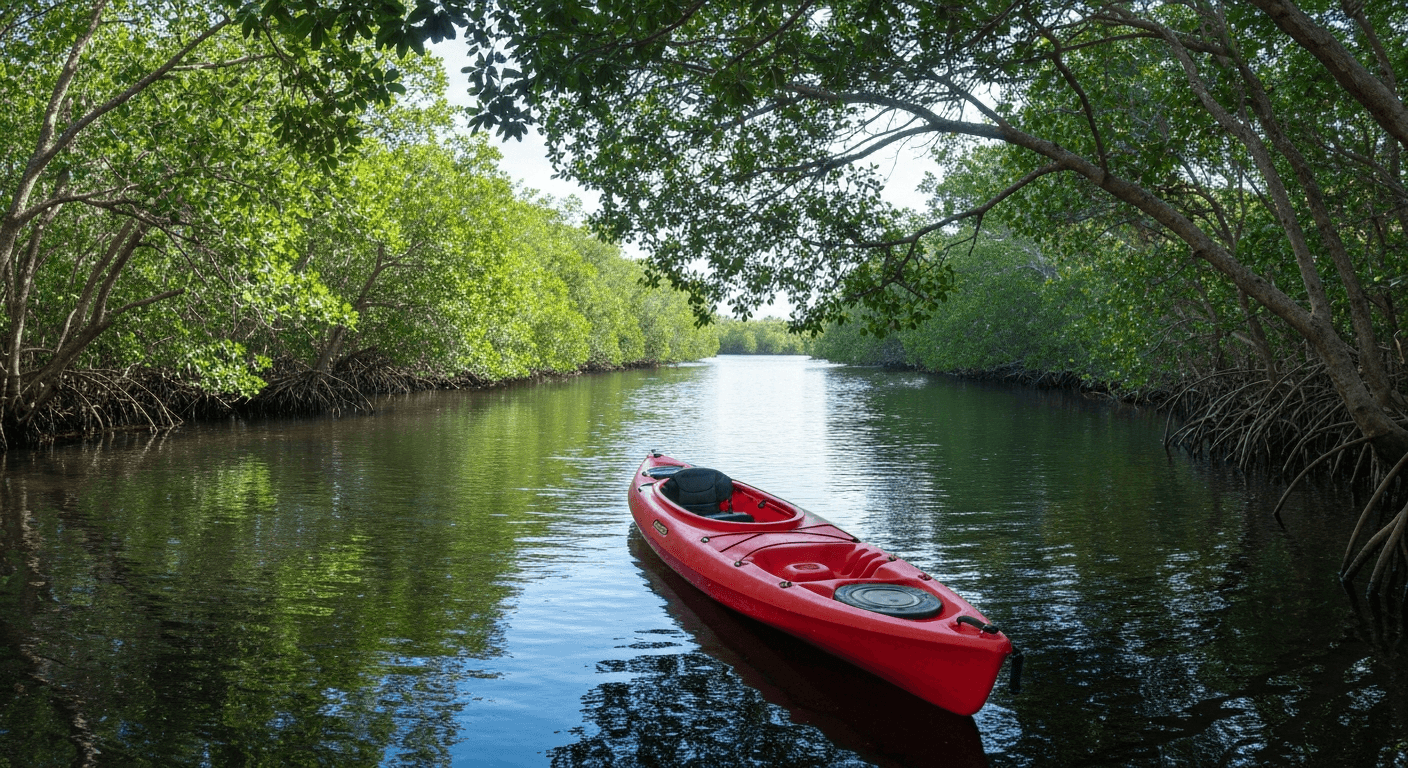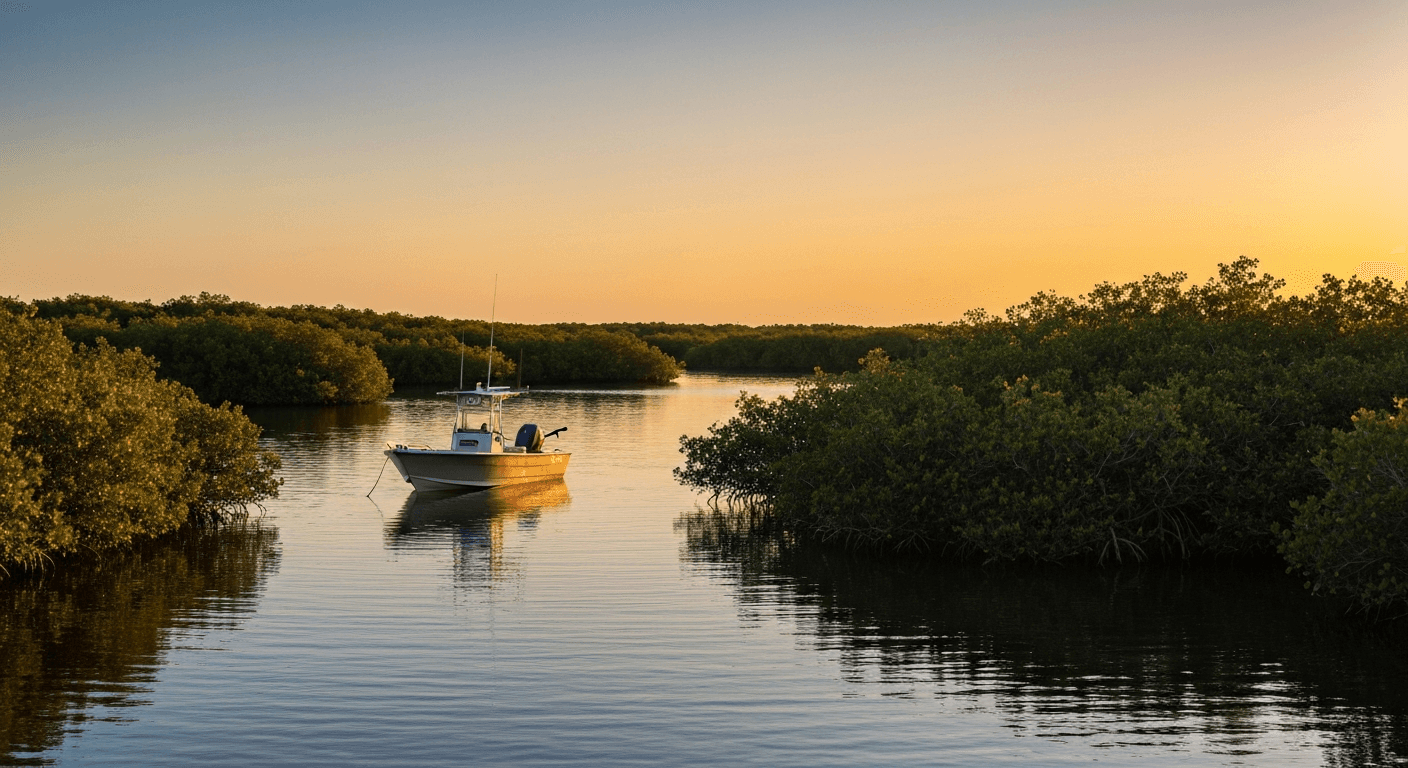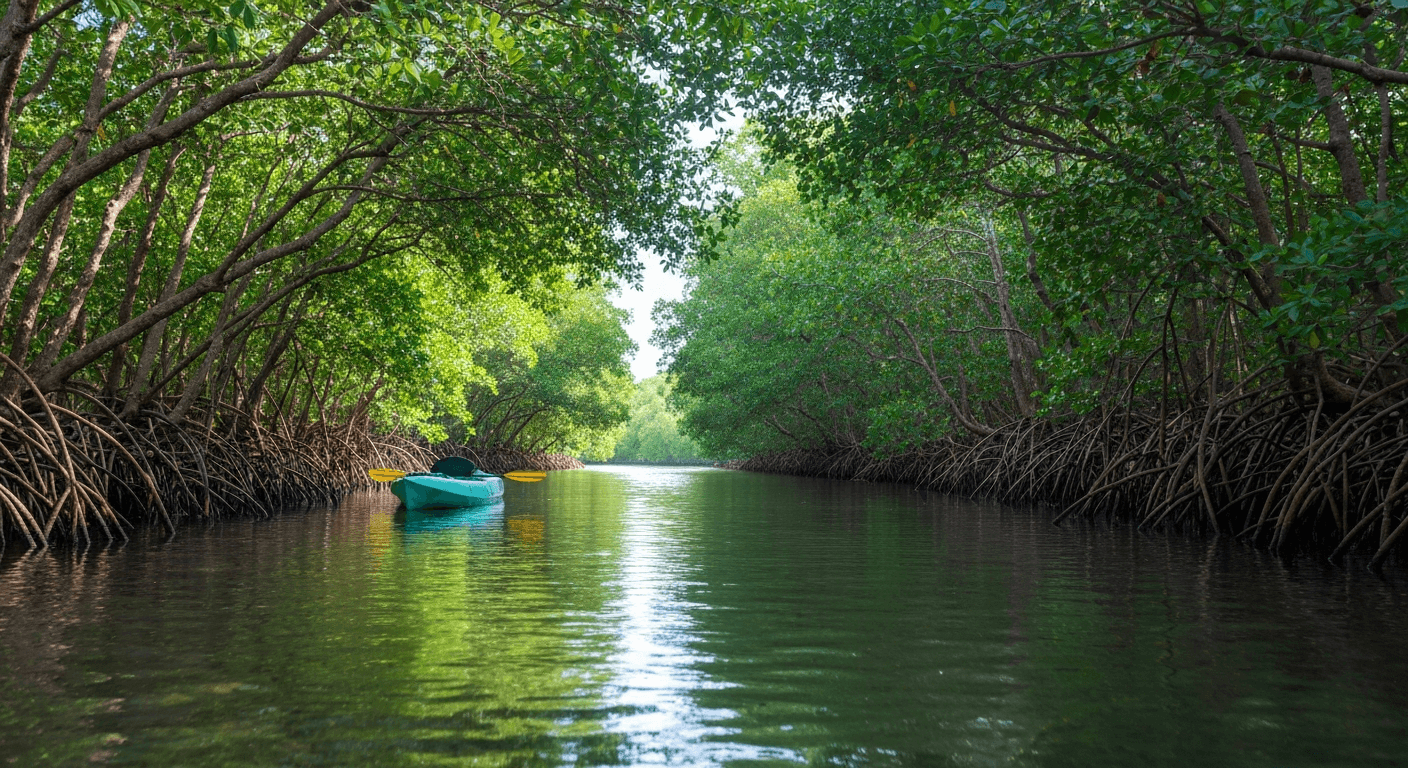
Fort Myers offers some of the best kayaking water in all of Southwest Florida. The Great Calusa Blueway - a 190-mile paddling trail that winds through estuaries, creeks, and coastal waters - runs right through the city. Bunche Beach serves as the main launch for exploring the backwaters of Estero Bay. The Caloosahatchee River connects downtown Fort Myers to the Gulf via mangrove-lined shorelines and dolphin-rich waters. And from the north end, you can launch into Pine Island Sound - one of the most productive fishing and wildlife-watching estuaries on the west coast of Florida.
This guide covers the best Fort Myers kayaking destinations, launch points, rental prices, and how to time your paddle by season.
This article contains affiliate links. If you book through our links, we may earn a small commission at no extra cost to you. This helps support our local content.
Why Fort Myers Is a Top Kayaking Destination
Fort Myers sits at the crossroads of three major kayaking ecosystems: the Caloosahatchee River estuary, the Estero Bay mangrove backcountry, and the Pine Island Sound shallow flats. Combined, these waters hold mangrove tunnels, dolphin pods, manatee winter refuges, tarpon-rich passes, and some of the best beginner-friendly paddling in the state.
The Great Calusa Blueway, a 190-mile paddling trail established in 2005, threads these ecosystems together with marked launches, printable maps, and primitive camp sites at key points. You can do a half-day casual paddle or a multi-day expedition using the same trail system.
For broader water activity planning, see our guide to the best kayaking and paddleboarding in Southwest Florida.
Find guided mangrove tours, dolphin kayak trips, and Calusa Blueway adventures
Browse Fort Myers Kayak Tours →
Quick Answer: Fort Myers Kayaking at a Glance
| Paddle goal | Go here | Difficulty | Distance |
|---|---|---|---|
| First-time family paddle | Bunche Beach creek system | Easy | 1-2 miles |
| Mangrove tunnel immersion | Estero Bay (from Bunche or Big Hickory) | Easy–Moderate | 2-4 miles |
| Dolphin sightings + open water | Caloosahatchee River (downtown launches) | Easy | 2-3 miles |
| Wilderness immersion | Pine Island Sound (Matlacha launches) | Moderate | 3-8 miles |
| Multi-day expedition | Great Calusa Blueway sections | Varies | 190-mile total trail |
| Beach-island paddle | Big Hickory Island / Lovers Key | Easy-Moderate | 2-5 miles |
Bunche Beach - The Primary Fort Myers Kayak Launch
Bunche Beach Preserve (718 acres on San Carlos Bay) is the most important kayak launch in Fort Myers. Located on John Morris Road, the preserve offers both shore fishing access and the main launch for paddling Estero Bay's northern sections via the Great Calusa Blueway.
Why Bunche Beach Is the Go-To
- Kayak Excursions rental location right at the launch
- Direct water access - no long carry from parking
- Easy paddle into sheltered Estero Bay
- Mangrove islands and creeks within a mile of launch
- Abundant wildlife - dolphins, manatees, osprey, wading birds
Route Options from Bunche Beach
- Bunche Beach short loop (1-2 miles): The most popular first-timer paddle - stay in the protected creek system near the launch.
- Mangrove island loop (2-4 miles): Paddle out to the nearby mangrove islands, circle one, return via different channels.
- Full Estero Bay day (6+ miles): Paddle south toward Hell Peckney Bay and toward Lovers Key area.
Practical Info
- Launch: Bunche Beach Preserve, end of John Morris Road, Fort Myers
- Parking: Free parking at the preserve trailhead
- Rental on-site: Yes (Kayak Excursions, 9 AM – 5 PM daily; last rentals at 2 PM)
- Best time: Early morning or late afternoon
Caloosahatchee River and Downtown Launches
The Caloosahatchee River runs straight through Fort Myers, connecting Lake Okeechobee to the Gulf of Mexico. Downtown launches give paddlers access to a working waterfront with dolphin sightings, waterfront dining views, and access to the river's broader estuary.
Top Caloosahatchee Launches
- Centennial Park (downtown Fort Myers, adjacent to the Luminary Hotel) - primary downtown launch
- Riverside Park - west side, good for beginners
- North Shore boat ramp - Cape Coral side, more remote
Route Options
- Downtown loop (1-2 miles): Centennial Park north along the seawall, under the Edison Bridge, and back
- Mid-river paddle (3-5 miles): Out to the wider river sections where dolphins gather
- Full day to Caloosahatchee mouth (8+ miles): Toward San Carlos Bay (for experienced paddlers only)
What You'll See
- Dolphins - A resident pod frequents the downtown river section
- Manatees - In cooler months (November–March), they congregate near canal mouths and warm-water discharges
- Waterfront architecture - Historic downtown buildings visible from the water
- Bridges - The Edison Bridge is a Fort Myers landmark
Estero Bay Backcountry
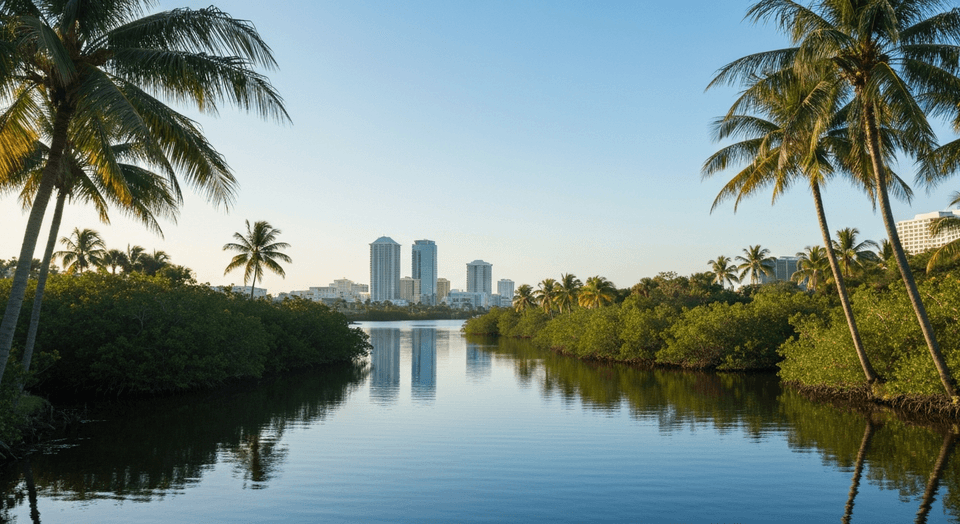
Estero Bay is the shallow-water estuary between the Fort Myers mainland and the barrier islands (Estero Island / Fort Myers Beach). It is one of the most productive kayaking environments in Southwest Florida - protected, wildlife-rich, and accessible from multiple launches.
Key Estero Bay Launches
- Bunche Beach (covered above) - northern Estero Bay access
- Lovers Key State Park - south end, mangrove creek system
- Big Hickory Island area (Bonita Beach) - central bay access
- Matanzas Pass boat launch - Fort Myers Beach side
What Makes Estero Bay Special
The bay is almost entirely surrounded by mangrove forest with few developed shorelines. Kayakers can paddle through mangrove tunnels (narrow channels with the canopy closed overhead), emerge into open bays, and pass small islands that are bird nesting habitat. Dolphin sightings are near-daily; manatees are common in cooler months.
Difficulty
Most Estero Bay paddling is easy to moderate - sheltered water, shallow depths, forgiving of beginner mistakes. The larger loops require basic navigation skills and awareness of tides. First-timers should stay close to their launch point.
Book a hotel near downtown Fort Myers (Caloosahatchee launches) or Fort Myers Beach (Estero Bay access)
Find Fort Myers Hotels →
Pine Island Sound (North of Fort Myers)
Pine Island Sound stretches north of San Carlos Bay between Pine Island (east) and Sanibel/Captiva (west). It is one of Florida's most famous tarpon fishing destinations and an outstanding kayaking environment for experienced paddlers.
Top Pine Island Sound Launches
- Matlacha (Pine Island) - small fishing village with public launch, access to mangrove backcountry
- Saint James City (south Pine Island) - launch into lower Pine Island Sound
- Sanibel Causeway islands - kayak launch from the causeway spoil islands
Route Options
Pine Island Sound paddling is more open-water and weather-dependent than Estero Bay or the Caloosahatchee. Good conditions deliver one of the best wildlife-viewing experiences in Florida - tarpon rolling at the surface, dolphins, manatees, rays, and extraordinary birdlife. Rough conditions make it dangerous for beginners.
Best for: Experienced paddlers, guided tours with local captains, settled weather days.
The Great Calusa Blueway
The Great Calusa Blueway is the marked paddling trail that connects Fort Myers' major kayaking ecosystems. At 190 miles of paddling trail, it includes:
- Caloosahatchee River sections
- Estero Bay inside passages
- Pine Island Sound outer passages
- Mangrove creek networks
- Primitive camping points at strategic spots
How to Use the Blueway
- Day paddles - Pick a segment from published maps, launch, paddle 2-8 miles, return
- Weekend expeditions - Two-day paddles with primitive camping between
- Multi-day trips - Full-week expeditions covering multiple sections
Detailed maps and itineraries are available at the Lee County Visitor & Convention Bureau's website and at most local rental shops.
Kayak Rentals in Fort Myers
Kayak Excursions
The dominant rental operator in the Fort Myers area. Locations at:
- Bunche Beach - main rental hub
- Pelican Bay - Cape Coral side
- Big Hickory Island - Estero Bay central
Services:
- Single and tandem kayaks
- Paddleboards
- Half-day, full-day, weekly, monthly rentals
- Guided tours (mangrove, dolphin, fishing)
- Free delivery to local addresses for daily/weekly rentals
- Kayak fishing rentals with fishing gear included
Pricing (approximate):
| Rental type | Typical cost |
|---|---|
| Single kayak half-day | $45-65 |
| Tandem kayak half-day | $70-90 |
| Paddleboard half-day | $50-70 |
| Full-day rental | $75-110 |
| Weekly rental | $250-400 |
| Guided tour (2-3 hr) | $75-110/person |
Other Operators
- Gaea Guides - Guided nature tours with trained naturalists
- Lovers Key State Park concession - Seasonal launch + rental (south-end Fort Myers Beach)
- Sanibel-Captiva outfitters - For trips launching from the islands
Seasonal Paddling Tips
Winter (December – March)
Peak season. Clearer water, manatees more visible (seeking warm water), dry weather, optimal paddling conditions. Book rentals ahead during January–March. Temperatures dip overnight but daytime is ideal.
Spring (April – May)
Transition to best overall window. Tarpon arrive in Pine Island Sound. Wildlife activity high. Weather stable. Crowds thinning.
Summer (June – September)
Early-morning only. Afternoon thunderstorms build quickly - launch by 7:00 AM and be off the water by 2:00 PM. Rentals easier to book, prices lower. Storms do produce dramatic sky conditions when they clear.
Fall (October – November)
Mullet run excitement. Predator-prey feeding frenzies visible from a kayak. Fewer crowds, cool mornings, excellent conditions. Hurricane awareness in October.
What to Bring
- Polarized sunglasses - essential for seeing fish and dolphins
- Sunscreen, hat, sun shirt - Florida sun is intense even in winter
- Water - minimum 32 oz per paddler per half-day
- Dry bag - for phone, keys, snacks
- Closed-toe water shoes - oyster bars are everywhere
- Navigation - GPS on your phone, backup paper map for Pine Island
Calusa Blueway mangrove tours, dolphin kayak trips, and Pine Island Sound guided paddles
Browse Fort Myers Kayak Tours →
Frequently Asked Questions
What is the best kayaking in Fort Myers?
Bunche Beach is the best all-around launch - rental on-site, sheltered water, easy to advanced route options. Caloosahatchee River downtown is the best urban-meets-wildlife paddle. Estero Bay is the best for mangrove immersion. Pine Island Sound is the most remote wilderness paddle (experienced paddlers only).
How much do Fort Myers kayak rentals cost?
Half-day single kayaks run $45-65; full-day $75-110. Tandem kayaks are 30-40% more. Paddleboards rent for $50-70 half-day. Guided tours with equipment included run $75-110 per person for 2-3 hours.
What is the Great Calusa Blueway?
The Great Calusa Blueway is a 190-mile marked paddling trail that threads through Fort Myers' major kayaking ecosystems - Caloosahatchee River, Estero Bay, and Pine Island Sound. Maps, launches, and primitive campsites are established, allowing day paddles or multi-day expeditions.
Do I need experience to kayak in Fort Myers?
No - Bunche Beach, Caloosahatchee River downtown, and inside sections of Estero Bay are all beginner-friendly. Guided tours handle the equipment, route-finding, and tide awareness for first-timers. Pine Island Sound open-water paddling requires experience.
Can you see dolphins while kayaking in Fort Myers?
Yes. Caloosahatchee River has a resident pod - sightings are common on most paddles. Estero Bay and Pine Island Sound both produce regular dolphin sightings. Manatees are common in cooler months (November–March) near creek mouths and warm-water discharges.
Where is Bunche Beach?
Bunche Beach Preserve is at the end of John Morris Road, Fort Myers - off Summerlin Road / Winkler Road. It is a 718-acre county preserve with free parking, direct water access, and an on-site kayak rental operation.
Is kayaking in Fort Myers good for kids?
Yes, at the right locations. Bunche Beach, Caloosahatchee River downtown sheltered sections, and Lovers Key creek system are all safe for kids 6+ in a tandem kayak with a parent. Avoid Pine Island Sound open water with kids. Every paddler must wear a US Coast Guard-approved life vest.
What is the best time of day to kayak in Fort Myers?
Early morning (sunrise to 9:00 AM) is ideal - calm water, active wildlife, cool temperatures. During summer months, this is the only safe window before afternoon thunderstorms. Late-afternoon sunset paddles work well in winter when no rain risk exists.