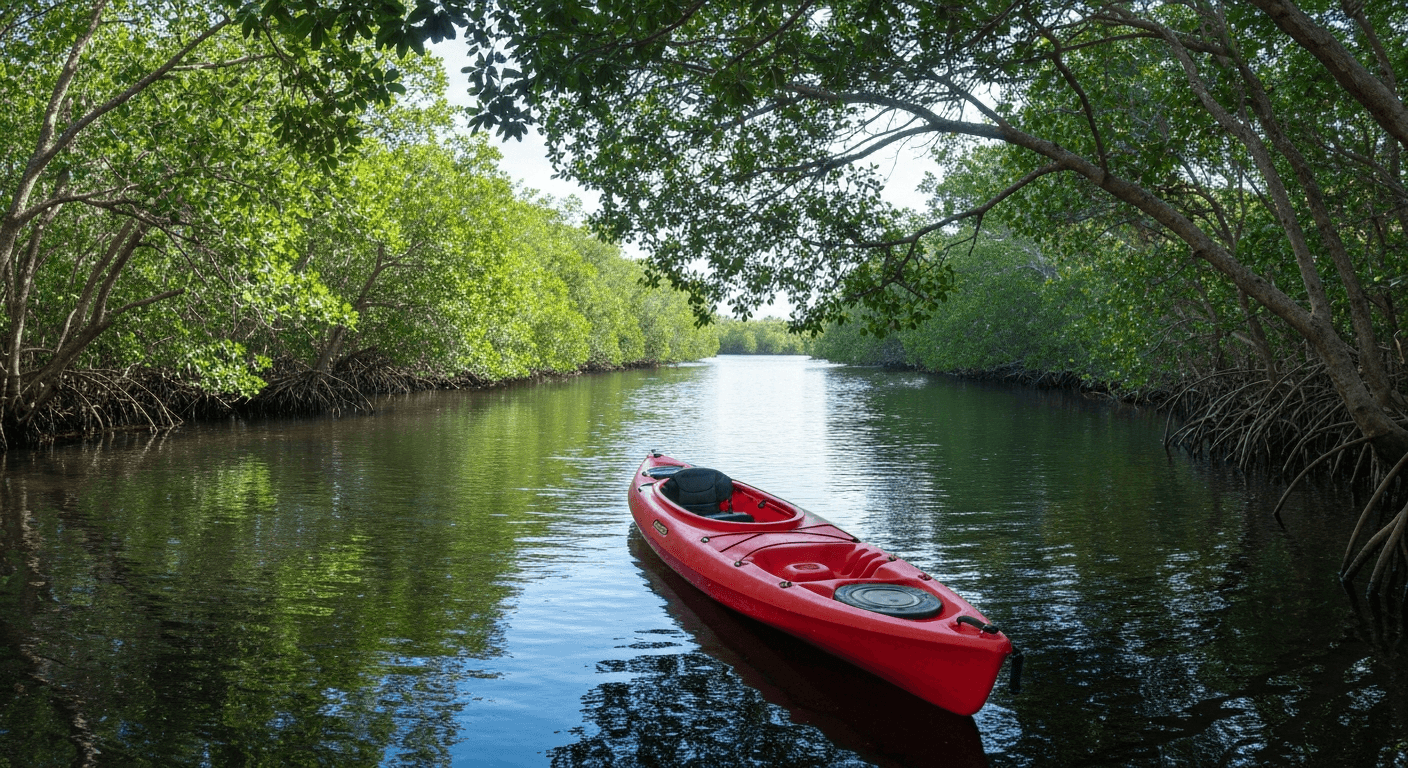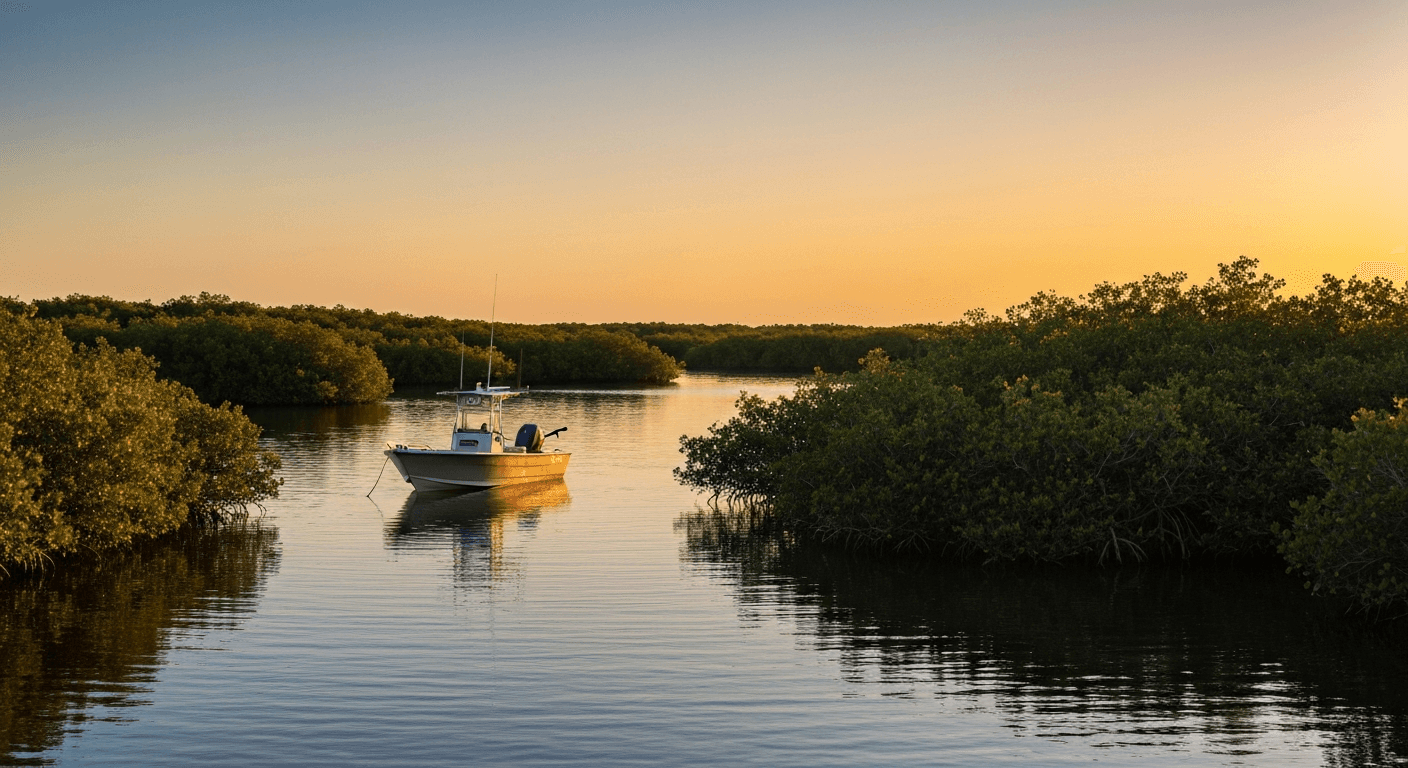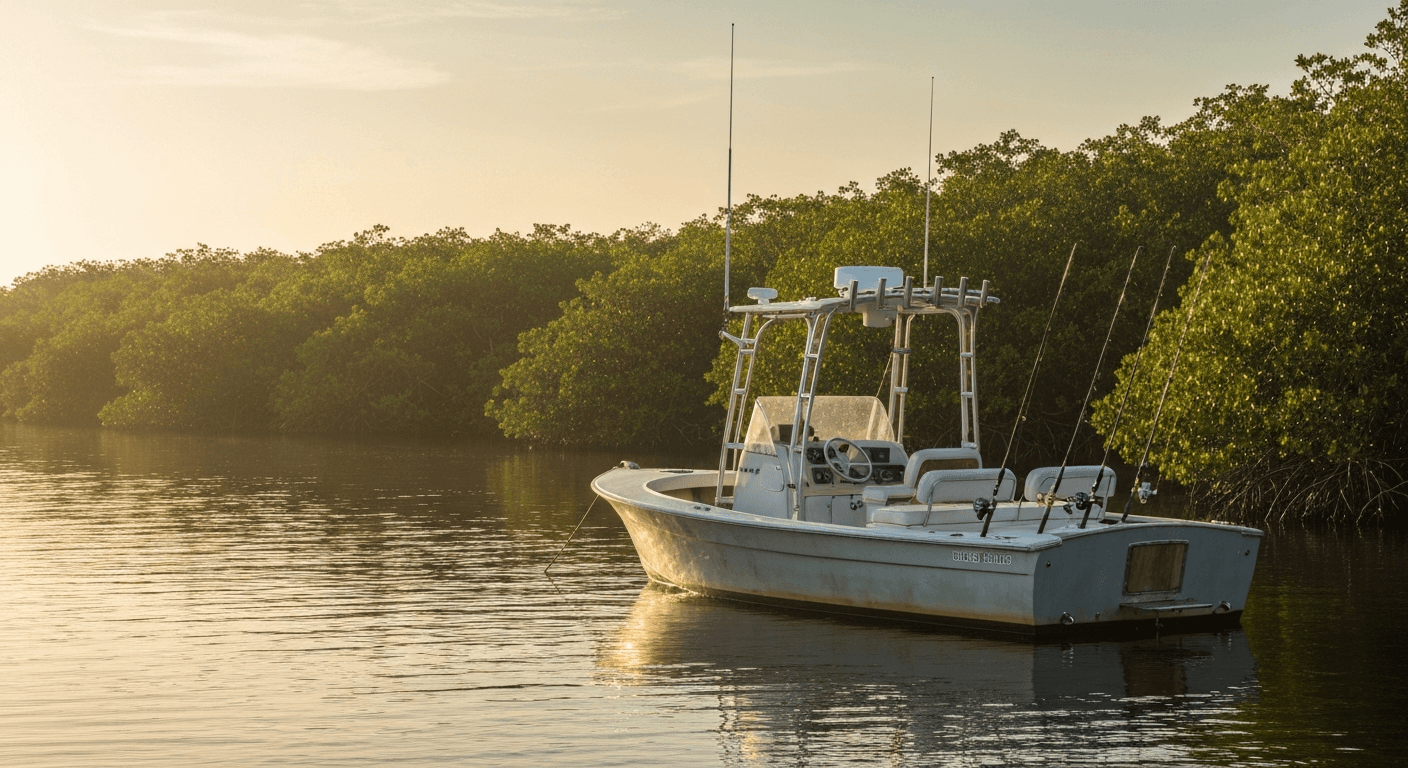
Fort Myers sits in one of the most productive fishing regions in the entire Gulf of Mexico. To the north, Pine Island Sound is world-famous for tarpon - the "Silver King" that made Boca Grande a legendary fishing destination. To the east, the Caloosahatchee River runs inland through mangrove estuaries loaded with snook, redfish, and juvenile tarpon. To the southwest, the Sanibel Causeway and nearby beaches offer free shore fishing for pompano, whiting, and snook. And a short boat ride out, the Gulf reefs hold grouper, snapper, and kingfish year-round.
This guide covers every major fishing option in Fort Myers - where to go, what you will catch, how much charters cost, and how to time your trip by season.
This article contains affiliate links. If you book through our links, we may earn a small commission at no extra cost to you. This helps support our local content.
Why Fort Myers Is a Top Fishing Destination
Fort Myers occupies a unique geographic position. The Caloosahatchee River cuts the city in half, connecting Lake Okeechobee to the Gulf via a chain of estuaries, mangrove flats, and oyster bars - nurseries for nearly every game fish in Southwest Florida. To the west, San Carlos Bay opens onto Pine Island Sound and the Gulf itself, giving boat anglers quick access to world-class tarpon grounds. And within a 30-minute boat ride, the Gulf's near-shore reefs hold grouper, snapper, and mackerel in fishable numbers year-round.
Fort Myers also has the best fishing infrastructure in Southwest Florida. The Punta Rassa boat ramp at the base of the Sanibel Causeway is the busiest launch in Lee County, and Fort Myers Beach has multiple marina bases. If you do not own a boat, dozens of experienced charter captains operate out of these launches and specialize in every style of fishing from fly-casting for snook to offshore trolling for kingfish.
For a broader look at water activities in the area, check out our guide to the best boat tours in Southwest Florida.
Find guided fishing trips, offshore charters, and tarpon tours in Fort Myers and Pine Island Sound
Browse Fort Myers Fishing Trips →
Quick Answer: Fort Myers Fishing at a Glance
If you want the fast decision, use this table:
| Scenario | Go here | Rough cost | What you'll catch |
|---|---|---|---|
| No boat, no license, family session | Sanibel Causeway islands or Fort Myers Beach Pier | Free (causeway toll applies) | Pompano, whiting, snook, mackerel |
| Tarpon bucket list (April–July) | Pine Island Sound charter | $700–$1,200 full-day | Tarpon, snook |
| Family half-day, first-time | Near-shore reef charter | $500–$750 | Grouper, snapper, mackerel |
| Big-fish offshore day | 30+ miles Gulf offshore | $1,000–$1,800 | Grouper, mahi, kingfish |
| Backcountry snook/redfish | Pine Island backwater guide | $450–$600 half-day | Snook, redfish, juvenile tarpon |
| Budget, shared boat | Party boat half-day | $65–$110/person | Mixed reef species |
Pine Island Sound and the Boca Grande Tarpon Run
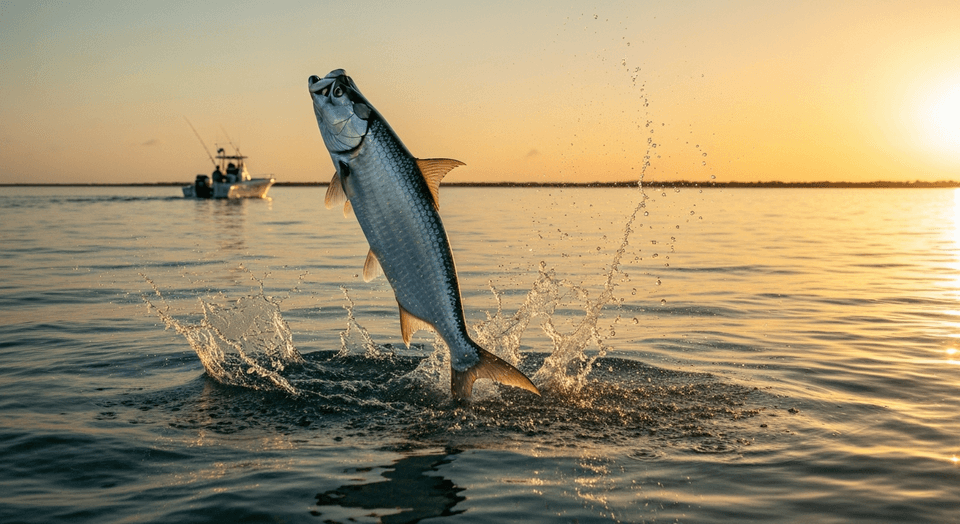
Pine Island Sound is the crown jewel of Fort Myers-area fishing. This expansive shallow-water estuary, bordered by Pine Island on the east and Sanibel/Captiva on the west, is one of the most famous tarpon destinations in the world. From April through July, migrating tarpon stage in the sound and in the nearby Boca Grande Pass - nicknamed the "Tarpon Capital of the World."
Tarpon Season Windows
- Late March – Early April: First scouts arrive when water hits 75°F. Early-season fish are hungry and aggressive.
- April: Season's true opening. Pre-spawn tarpon stage in Charlotte Harbor and Pine Island Sound.
- May – June: Peak season. Fort Myers Beach, Sanibel, and Boca Grande Pass produce 80–150 lb fish on almost every charter.
- July: Final wave of the run, with post-spawn fish feeding heavily on bait.
Pricing: Pine Island Sound tarpon charters typically run $700–$1,200 for a full day on a specialized 24-30 ft bay boat with tackle included. Most charters depart from Punta Rassa Boat Ramp at the Sanibel Causeway.
Other Pine Island Sound Species
Pine Island Sound is not tarpon-only. Year-round residents and seasonal visitors include:
- Snook - Structure-oriented near mangrove shorelines and oyster bars
- Redfish - Schools on the flats, especially August through November
- Seatrout - Over grass flats in shallow water
- Mangrove Snapper - Around any submerged structure
- Cobia - Spring migration (March–April) and around channel markers
Caloosahatchee River and Backcountry Fishing
The Caloosahatchee River is Fort Myers' freshwater-to-brackish fishing artery. Running from Lake Okeechobee to the Gulf, the river is lined with mangrove shorelines, oyster bars, and grass flats that produce snook, redfish, seatrout, mangrove snapper, and seasonal tarpon.
Top Spots
- Caloosahatchee River mouth (San Carlos Bay) - where freshwater meets saltwater; productive for snook and redfish on moving tides
- Matlacha Pass - a narrow pass between Cape Coral and Pine Island; dolphin-rich waters that hold big snook
- Punta Rassa flats - shallow grass flats around the Sanibel Causeway; seatrout and reds
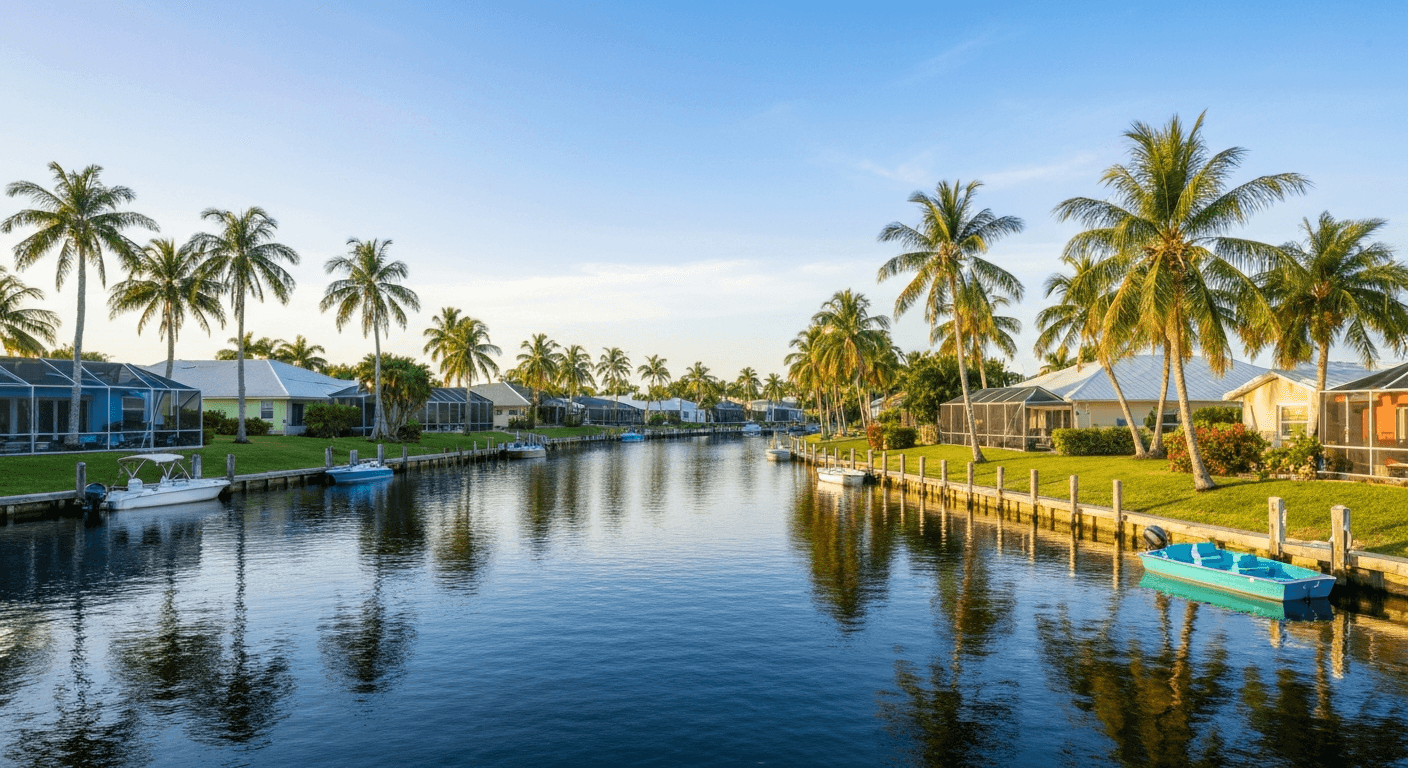
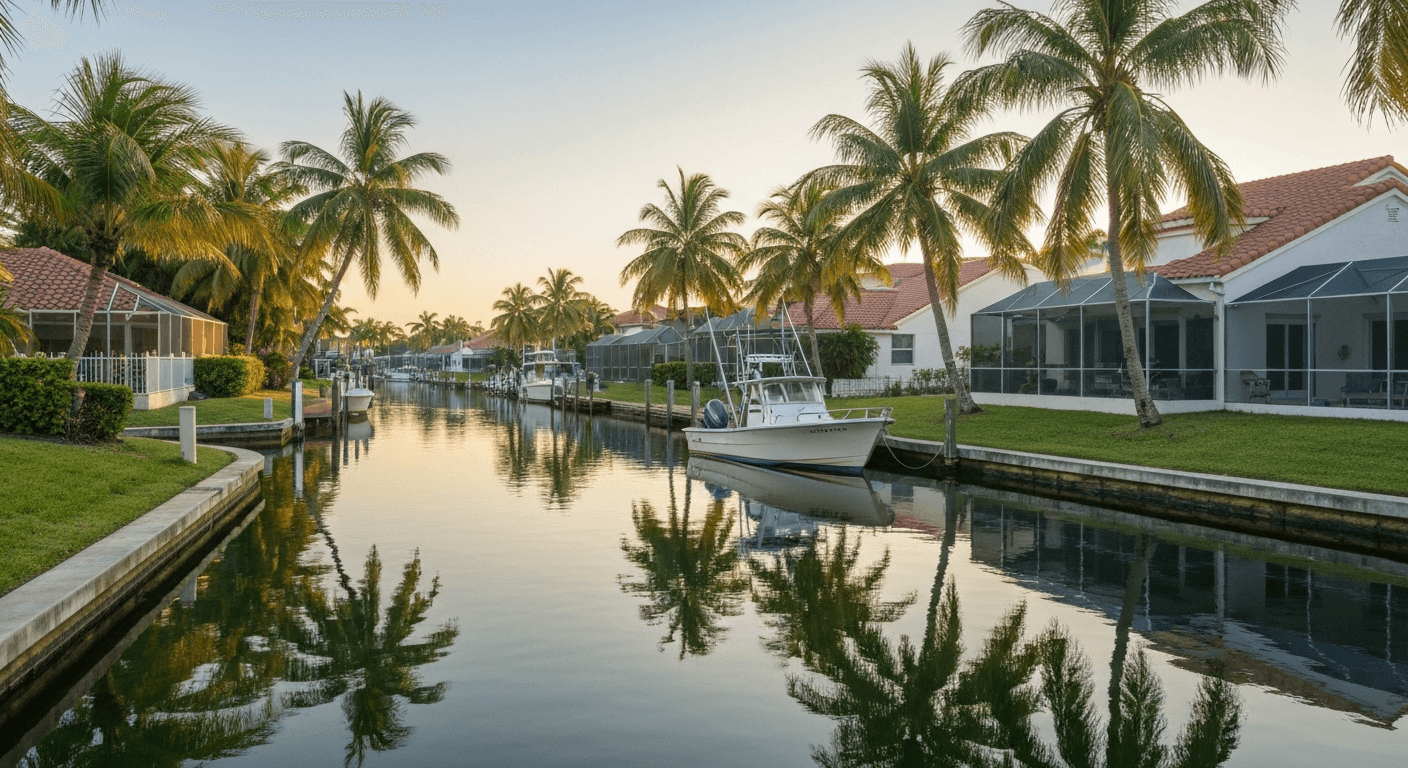
- Residential canals - when winter cold fronts push through, snook and juvenile tarpon stack up in warmer canal sections
Backcountry Charter Pricing
Inshore/backcountry charters in Fort Myers typically run:
- Half-day (4 hours): $450–$600 for up to 2 anglers
- Full-day (8 hours): $750–$1,000
- Additional angler: $50 each
Most include tackle, bait, and your fishing license.
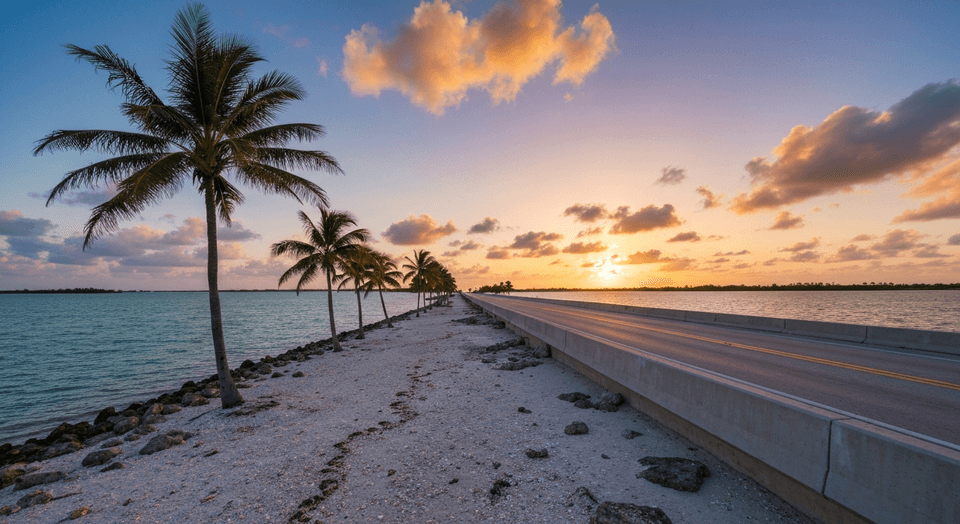
Shore Fishing Spots (Free, No Boat Needed)
Fort Myers has excellent shore fishing if you do not own a boat or want a charter.
Sanibel Causeway Islands (Islands A, B, and C)
The three spoil islands that make up the Sanibel Causeway (accessible from the causeway itself) are among the most productive shore fishing spots in Southwest Florida. Park at the island lots (causeway toll applies), walk to the water, and cast for:
- Pompano - especially fall through spring
- Snook - year-round near the rocks and rip-rap
- Redfish - along the shoreline at low tide
- Spanish Mackerel - schools pass by in spring
- Sheepshead - winter MVP around the causeway structure
Bring your own tackle - there are no rentals on the causeway. Fiddler crabs, sand fleas, and live shrimp are the top baits.
Fort Myers Beach Pier
Located at the south end of Fort Myers Beach, the pier holds a blanket fishing license (no license required). Species include:
- Snook, tarpon, pompano, Spanish mackerel, sheepshead, whiting, ladyfish
Bunche Beach Preserve
This 718-acre preserve on San Carlos Bay offers flats fishing accessible by wading. Low tide exposes sandy bottom that holds snook, redfish, and seatrout. Free parking with a trail to the water.
Lakes Regional Park (Freshwater)
For families or anglers looking for a freshwater break, Lakes Regional Park offers bass, bluegill, and catfish fishing from shore. $1/hour parking; rental rods available at the concession.
Book a waterfront hotel near Punta Rassa, the Sanibel Causeway, or Fort Myers Beach for easy charter access
Find Fort Myers Hotels →
Offshore and Deep Sea Fishing
When the Gulf is calm, Fort Myers offshore produces excellent bottom fishing and pelagic action. Near-shore reefs start just 8–10 miles offshore; productive mid-range reefs run 15–30 miles; true deep-drop fishing extends 30+ miles out.
Near-Shore Reefs (8–15 miles)
Productive for gag and red grouper, mangrove snapper, and hogfish. Half-day charters work here. Cobia, kingfish, and Spanish mackerel are common bycatch when trolling between reef spots.
Mid-Range Reefs (15–30 miles)
Larger grouper, snapper, amberjack, and permit. Usually requires a full-day charter. Gag grouper season (summer) is the primary draw.
Deep Offshore (30+ miles)
Mahi-mahi, wahoo, blackfin tuna, and occasional sailfish from late spring through fall. Deep-drop for swordfish and golden tilefish on specialized charters.
Offshore Charter Pricing
- Half-day (4–5 hours): $500–$750 for up to 4 anglers
- Full-day (10–12 hours): $1,000–$1,800
- Party boat (shared): $65–$110/person for half-day
Top Fort Myers Fishing Charter Launches
Most charters depart from one of three spots:
- Punta Rassa Boat Ramp (at Sanibel Causeway) - the busiest charter hub in Lee County
- Fort Myers Beach marinas - multiple charter operations, closest to offshore
- Fort Myers River District marinas - Caloosahatchee inshore specialists
Seasonal Fishing Calendar
Winter (December–March)
- Sheepshead - The pier and causeway are loaded
- Pompano - Surf fishing from Fort Myers Beach
- Black Drum, Seatrout - Bay waters
- Offshore Grouper - Calm-day red grouper trips
Spring (April–May)
- Tarpon - Season opens, Pine Island Sound fills
- Cobia - Spring migration along beaches
- Snook - Moving to passes and beaches
- Kingfish - Trolling near-shore
Summer (June–September)
- Tarpon - Peak Pine Island/Boca Grande
- Snook - Beach and mangrove shorelines (catch-and-release May–August)
- Mangrove Snapper - Best of year
- Gag Grouper - Federal season opens
- Mahi/Wahoo - Offshore
Fall (October–November)
- Mullet Run - Snook, tarpon, jacks, and sharks crashing bait in the surf
- Redfish - Prime on flats and oyster bars
- Snook - Fall harvest window (October)
Fishing License Requirements
You do NOT need a license if:
- Fishing from Fort Myers Beach Pier (blanket pier license)
- Fishing on a licensed charter (captain's license covers you)
- Florida resident fishing from shore with rod and line only (free shoreline license)
- Under 16 or 65+ Florida resident
You DO need a license if:
- Non-resident fishing from shore (3-day: $17, 7-day: $30, annual: $47)
- Fishing from your own boat or rental boat
- Using a cast net
Buy at GoOutdoorsFlorida.com.
Snook permit: $10 annual permit required to target snook in addition to your saltwater license.
Compare inshore, offshore, and tarpon charters departing Punta Rassa, Fort Myers Beach, and Pine Island
Book Fort Myers Fishing Charters →
Frequently Asked Questions
What is the best fishing in Fort Myers?
Pine Island Sound is the standout - it is one of the most famous tarpon destinations in the world, peak May through July. For free fishing without a boat, the Sanibel Causeway islands and Fort Myers Beach Pier are the top picks. Families tend to favor near-shore reef charters, while experienced anglers chase tarpon in Pine Island Sound or Boca Grande Pass.
How much does a fishing charter cost in Fort Myers?
Inshore half-day trips run $450–$600 for two anglers. Offshore half-day charters start at $500–$750. Full-day offshore trips hit $1,000–$1,800. Tarpon charters (April–July) are typically $700–$1,200 full-day. Party boats (shared half-day) run $65–$110 per person. Most charters include tackle, bait, and license.
When is tarpon season in Fort Myers?
Tarpon season runs April through July, with peak action in May and June. Pine Island Sound and Boca Grande Pass are the primary grounds. Migration begins in late March when water temperatures hit 75°F, and the run tapers off by early August.
Do I need a fishing license to fish from Fort Myers Beach Pier?
No - Fort Myers Beach Pier holds a pier license covering all anglers. You do not need to buy your own license. Bag limits and size restrictions still apply.
Can I fish from the Sanibel Causeway?
Yes - the Sanibel Causeway has three spoil islands (Islands A, B, C) with parking and shore fishing access. The causeway toll applies for vehicle access. Fishing is productive year-round for pompano, snook, redfish, mackerel, and sheepshead. Bring your own tackle and bait.
What fish can you catch in the Caloosahatchee River?
Snook, redfish, seatrout, mangrove snapper, sheepshead, juvenile tarpon, and (in the fresher upstream sections) bass and bluegill. The mouth of the Caloosahatchee at San Carlos Bay is especially productive on moving tides.
What is the best time of year to go fishing in Fort Myers?
April through July for tarpon - the standout fishery. October and November for the mullet run, which triggers aggressive snook, tarpon, jack, and shark feeding along the beaches. December through March for sheepshead and pompano (winter MVPs). The summer offers the most species variety but also the most afternoon thunderstorms.
Where do most Fort Myers fishing charters launch from?
Punta Rassa Boat Ramp at the foot of the Sanibel Causeway is the single busiest launch. Fort Myers Beach marinas also host many offshore and tarpon charters. Fort Myers River District marinas are home to many inshore/backcountry operations.