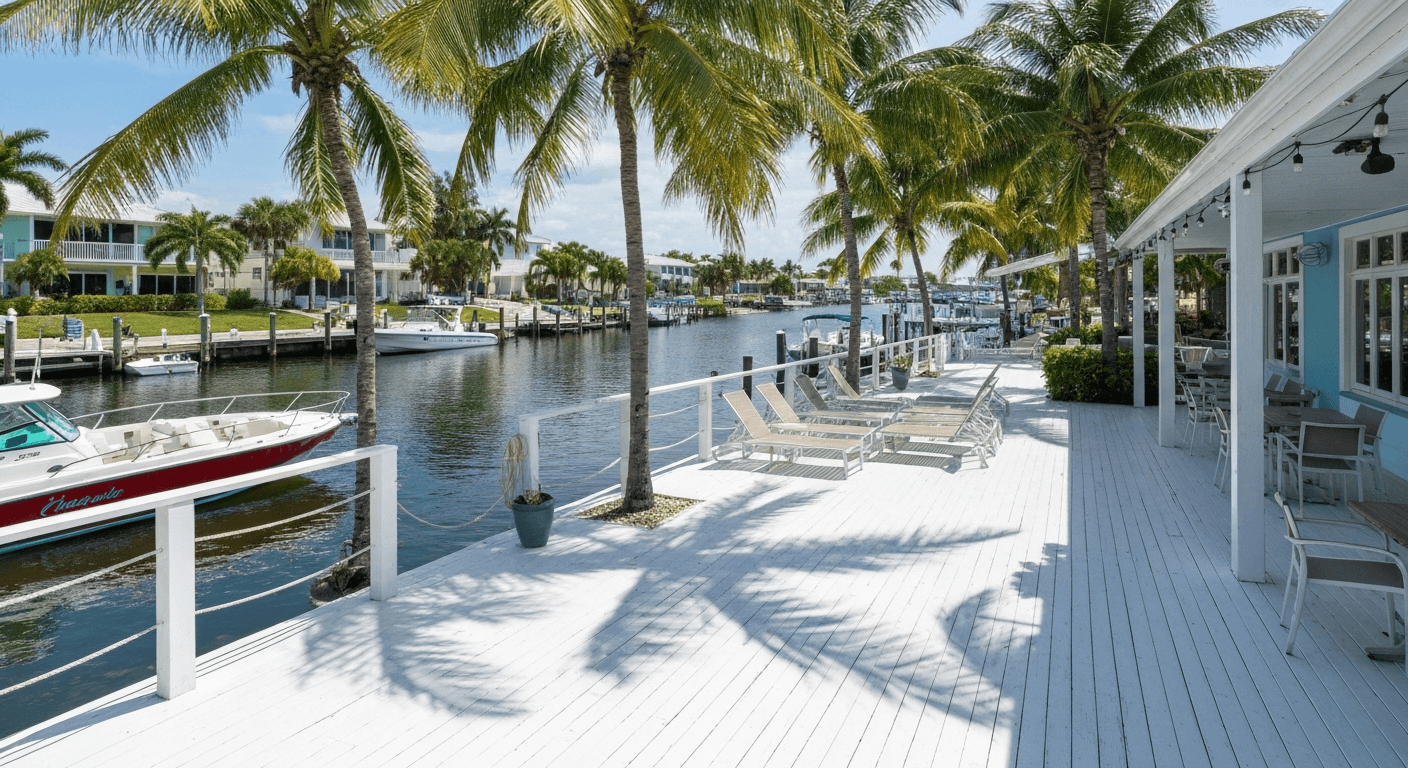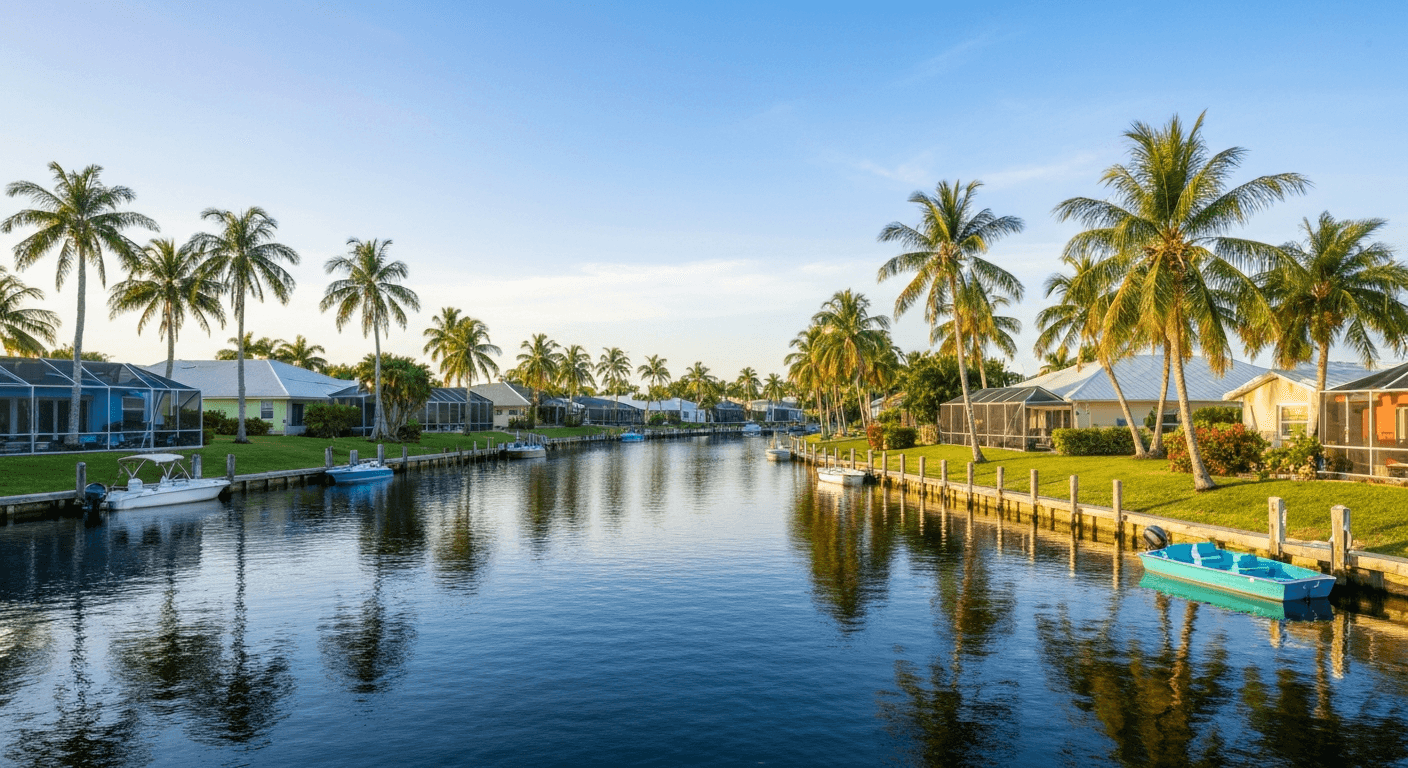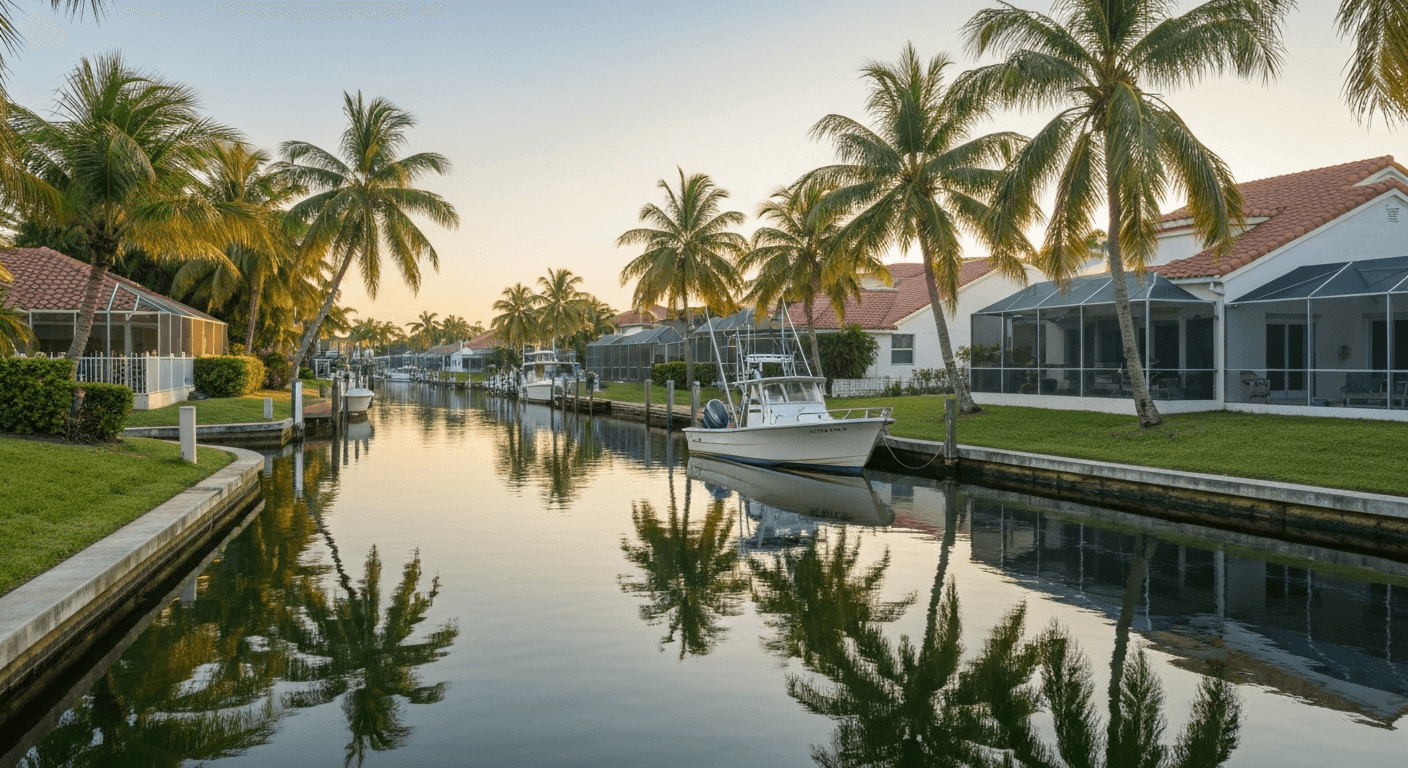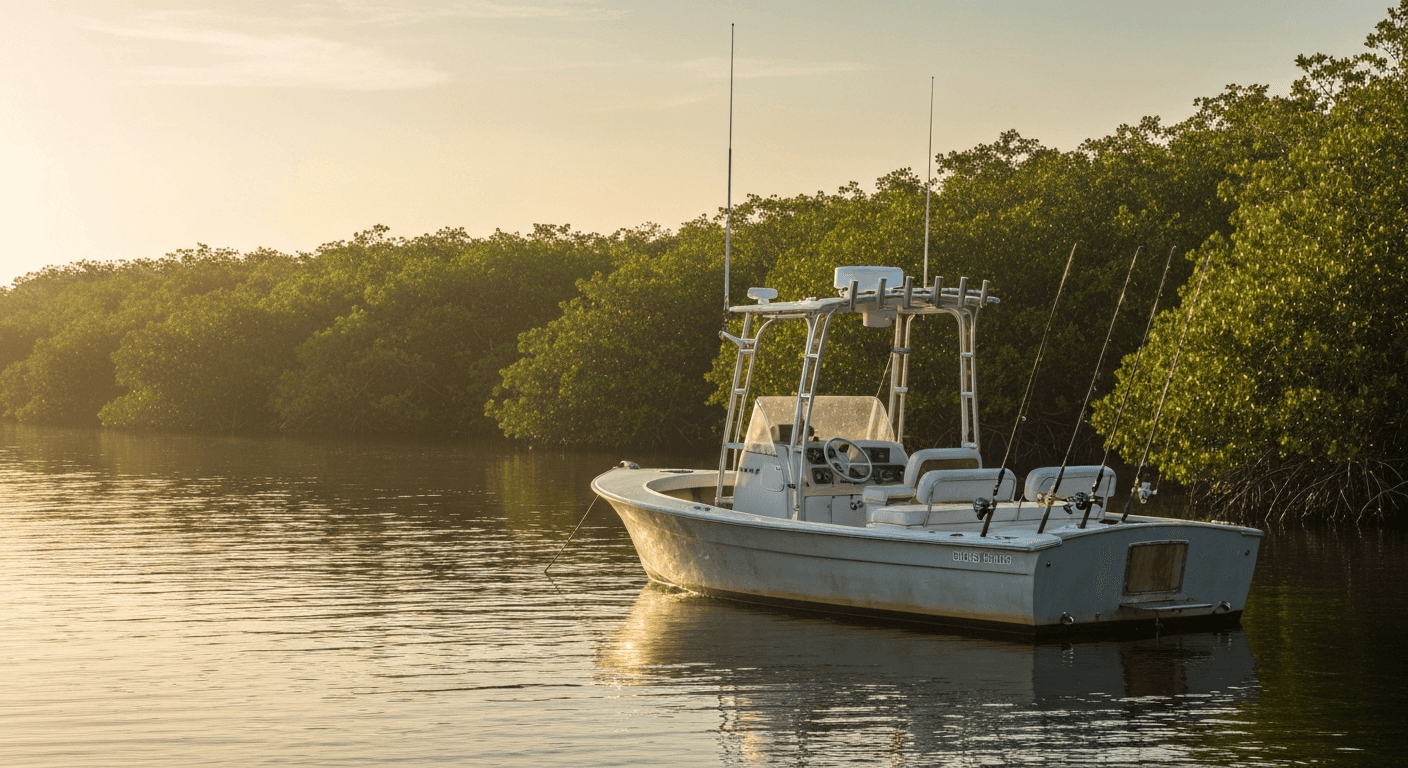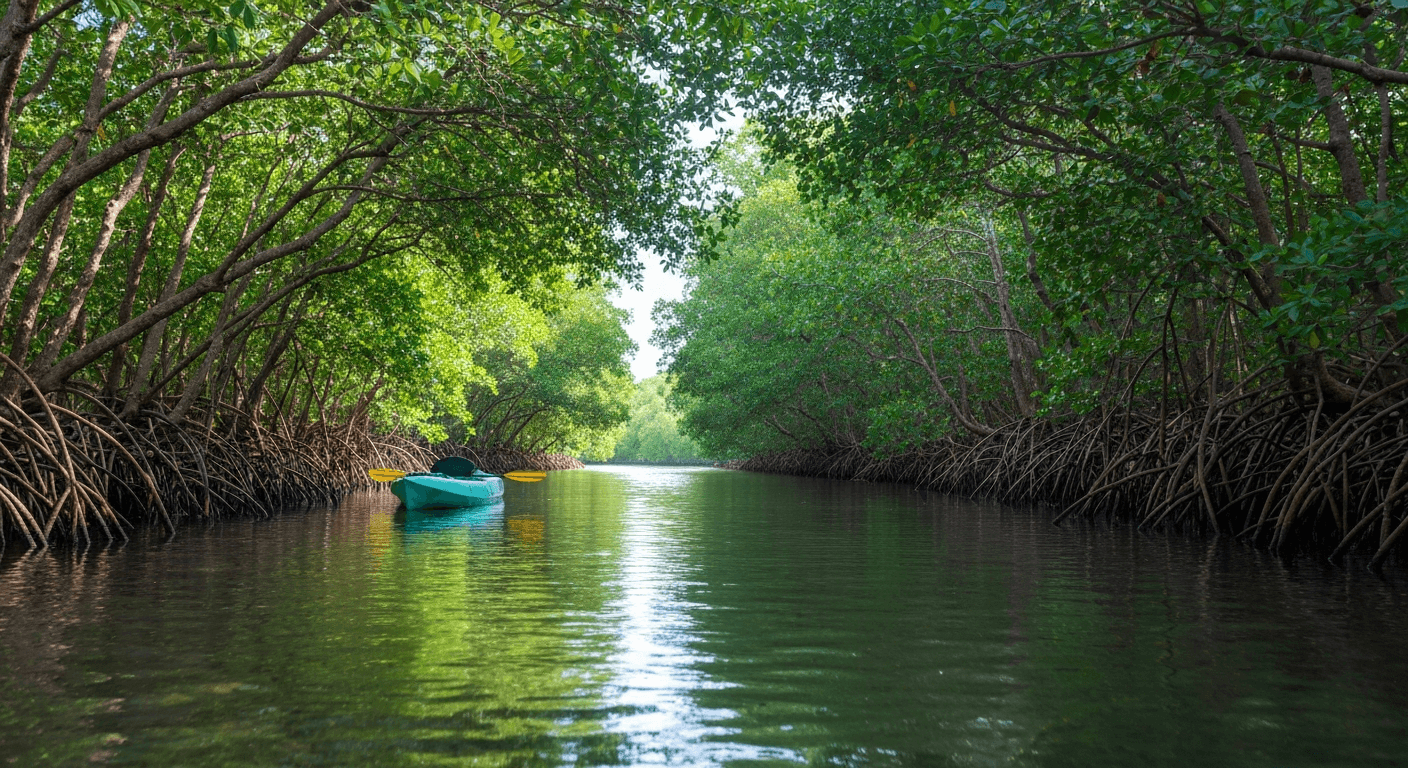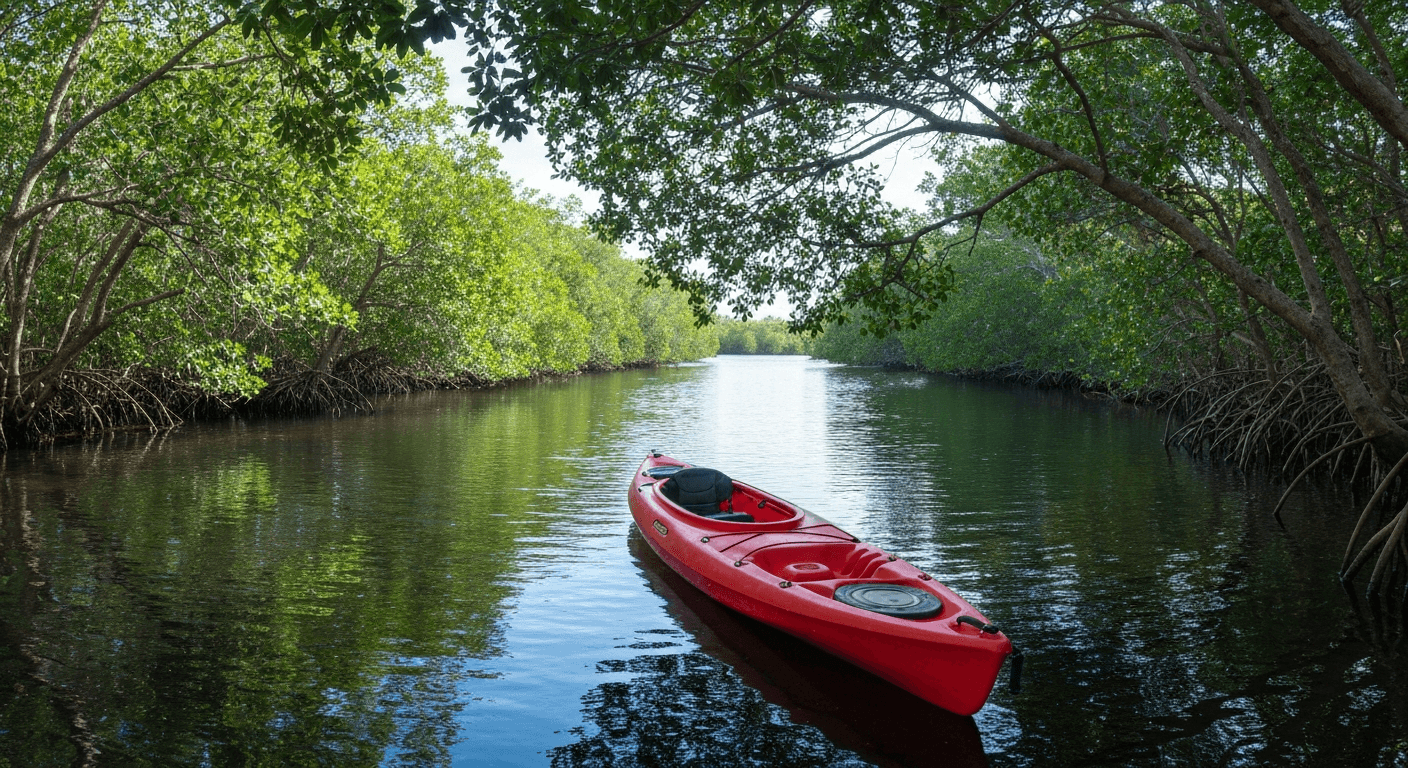
Cape Coral's official kayak network covers sheltered freshwater lakes, mangrove creeks, saltwater canals, the Caloosahatchee River, and the Calusa Blueway. For a first paddle, Four Mile Cove is the clearest nature route. Sirenia Vista is the better western launch for Blueway access, while Lake Argosy and the BMX ramp lead to freshwater canals.
Quick launch picker
| Launch | Water access | Best for |
|---|---|---|
| Four Mile Cove Ecological Preserve | Mangrove creeks and Four Mile Cove | A scenic first Cape Coral paddle |
| Sirenia Vista | Saltwater and Calusa Blueway | Western Cape Coral and rental access |
| Horton Park | Everest Canal to the Caloosahatchee | Experienced paddlers seeking river access |
| Rosen Park | Chantry Canal to the river | Canal paddling and a formal boat-ramp setting |
| Burnt Store Boat Ramp | Rosemary Canal toward Matlacha Pass | Western saltwater canals |
| BMX Boat Ramp | Shelburne Canal and freshwater lakes | Freshwater canal exploration |
| Lake Argosy at Festival Park | Freshwater lake | A contained, simple practice paddle |
1. Four Mile Cove Ecological Preserve
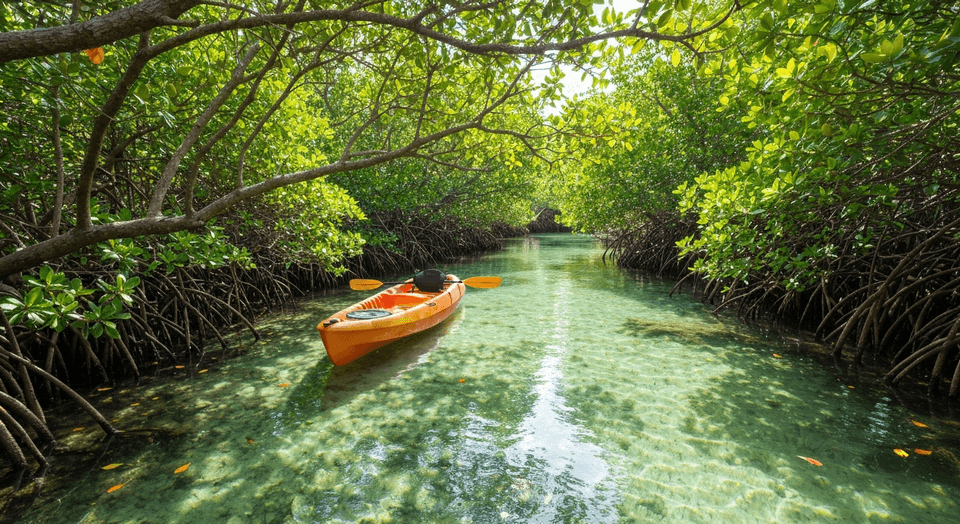
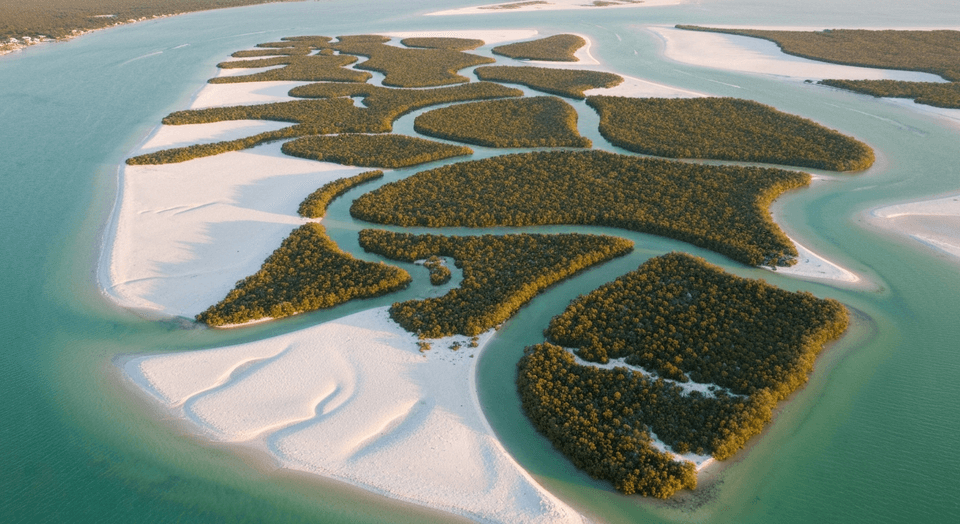
Four Mile Cove is the most distinctive public paddle in the city. The launch sits beside the kayak concession and leads into tidal creeks within the 365-acre preserve before reaching Four Mile Cove on the Caloosahatchee side.
Choose it for mangrove scenery and a route that feels separate from Cape Coral's residential canals. It is also easy to pair with the preserve's boardwalk, visitor center, picnic area, and observation piers.
The preserve is open daily from 8 AM to dusk. The City lists paddle rentals at the site, but rental hours and availability are separate from park access. Check the concession before arriving without a boat.
The mangrove creeks are affected by tide. A very low tide can make portions shallow, while river wind can make the exposed cove more demanding. Beginners should discuss the day's route and turnaround point at the concession.
2. Sirenia Vista
Sirenia Vista is the most useful western Cape Coral launch for reaching the Great Calusa Blueway. The City identifies it as a saltwater paddle launch and lists kayak rentals.
This is the better choice for paddlers staying west of Chiquita Boulevard or anyone specifically planning a Blueway segment. The site is simpler than Four Mile Cove, so confirm restroom, rental, and parking expectations before treating it as a full-service park.
Because the route connects to larger water, wind direction matters. Start into the wind when possible so the return is not the hardest part of the trip.
3. Burnt Store Boat Ramp
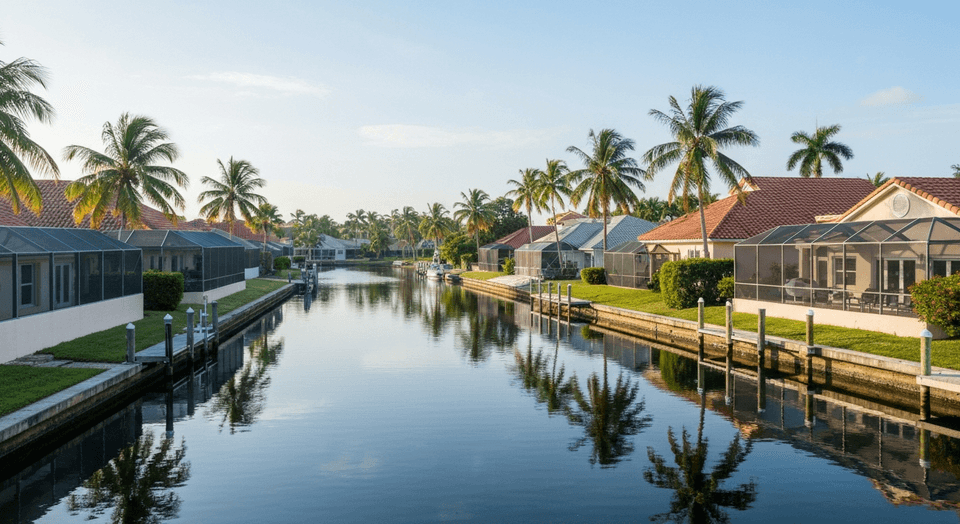
Burnt Store Boat Ramp enters Rosemary Canal, which connects through Cape Coral's saltwater canal system toward Matlacha Pass. It is a practical starting point for experienced paddlers who want a western canal route without launching directly into Pine Island Sound.
Motorboats share the ramp and canals. Stage the kayak away from the active ramp lane, remain visible, and avoid stopping in the navigation channel. Study the canal turns before leaving because developed waterways can look similar from water level.
4. Horton Park
Horton Park launches into Everest Canal south of the Midpoint Bridge. The canal connects to the Caloosahatchee River.
The protected canal makes the first part of the paddle straightforward, but the river can bring wind, current, wakes, and heavier boat traffic. Beginners can stay within the canal rather than committing to open river water. Paddlers heading toward the river should carry navigation, signaling, and safety gear appropriate for a wider waterway.
5. Rosen Park
Rosen Park enters Chantry Canal north of the Midpoint Bridge and connects with the Caloosahatchee River. It is useful for a canal-focused trip or for paddlers who want a formal public boat-ramp location.
Like Horton Park, Rosen is shared with motorized boats. A shorter canal loop is a better match for a casual outing than a river crossing. Keep to the right, cross channels only when clear, and wear a personal flotation device.
6. BMX Boat Ramp
The BMX ramp opens into Shelburne Canal, which connects with freshwater canals and Alhambra Lake, Lake Kennedy, and Saratoga Lake. This is the best choice in the official network for paddlers who want a freshwater canal route.
Freshwater paddling avoids tides, but wind, heat, thunderstorms, and navigation still matter. Mark the launch on your phone before leaving and plan a clear out-and-back route through the canals.
7. Lake Argosy at Festival Park
The City permits kayaks and other small boats to use the ramp on the north side of Argosy Lake at Festival Park. The contained freshwater lake is a practical place to practice strokes, test equipment, or take a short outing without entering a tidal river.
Check the park calendar and construction notices because Festival Park can host events and improvement work. There is no reason to turn a practice paddle into a long trip if conditions are hot or stormy.
What about paddling from a canal home?
Many Cape Coral vacation rentals have docks, but the canals do not all lead to the same water. Some are freshwater, some are saltwater, and routes may include long no-wake canals, bridges, boat traffic, or locks.
Ask the property owner whether launching is allowed, whether the dock and ladder are safe, and where the canal leads. Confirm that the rental includes a suitable kayak, paddle, whistle, and correctly sized personal flotation device. Do not use a neighboring dock or cross private property.
Parking and trailer rules
The City states that its listed kayak-launch locations do not charge a general parking fee. A vehicle with a boat trailer is subject to the boat-trailer parking program. If you are carrying kayaks on a roof rack or in a pickup without a trailer, follow the signs at the specific park.
Keep launch lanes clear while unloading. At mixed-use boat ramps, prepare the kayak and gear in the staging area before approaching the water.
Safety checklist
- Check the National Weather Service Tampa Bay forecast and radar.
- Identify whether the route is freshwater, tidal canal, preserve, or open river.
- Wear a properly fitted personal flotation device.
- Carry water, sun protection, whistle, phone protection, and a simple route map.
- Tell someone the launch, route, and expected return time.
- Turn around before heat, wind, current, or fatigue becomes a problem.
- Use navigation lights if the trip could extend into low light.
Related guides
Continue with our Cape Coral fishing guide, things to do in Cape Coral, and Cape Coral restaurant guide.
Launch access, water connections, rental references, and parking guidance were checked against the City of Cape Coral on July 30, 2026. Temporary closures and concession hours can change.