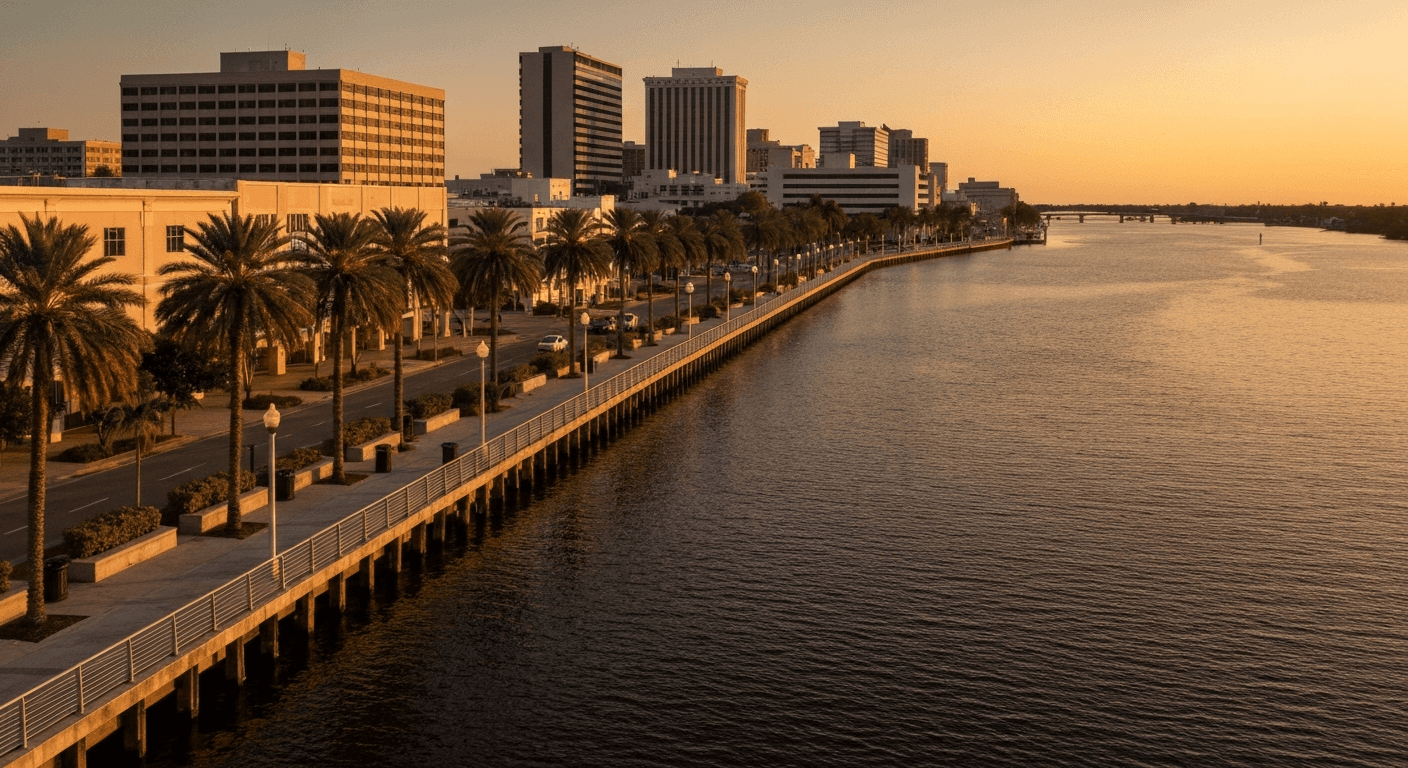
Naples consistently ranks among the best places to retire in America, and for good reason. This Gulf Coast city of 22,000 permanent residents (swelling to 80,000+ during season) offers world-class beaches, exceptional healthcare at NCH, no state income tax, and a vibrant cultural scene that rivals cities twice its size. The combination of Artis Naples' world-class performances, 90+ golf courses, pristine beaches, and walkable Fifth Avenue South creates a retirement lifestyle that's genuinely hard to match.
This article contains affiliate links. If you book through our links, we may earn a small commission at no extra cost to you. This helps support our local content.
Yes, Naples is more expensive than most Florida retirement destinations. But retirees from high-tax states often discover that eliminating state income tax on pensions, Social Security, and investment income offsets-or exceeds-the higher housing costs. The question isn't whether Naples is worth it; it's whether Naples matches what you're seeking.
If you're considering retiring to Naples, Florida, this comprehensive 2026 guide covers everything from cost of living and tax savings to the best neighborhoods, healthcare systems, and 55+ communities-helping you decide if this Gulf Coast gem is your next chapter.
Why Retirees Choose Naples
Naples attracts thousands of new residents annually, with retirees making up the largest demographic. Collier County's population has grown over 12% since 2020, driven largely by retirees relocating from the Northeast and Midwest. The appeal is comprehensive:
- No state income tax on retirement income, Social Security, pensions, or investment income
- 300+ days of sunshine annually with Gulf breezes moderating temperatures
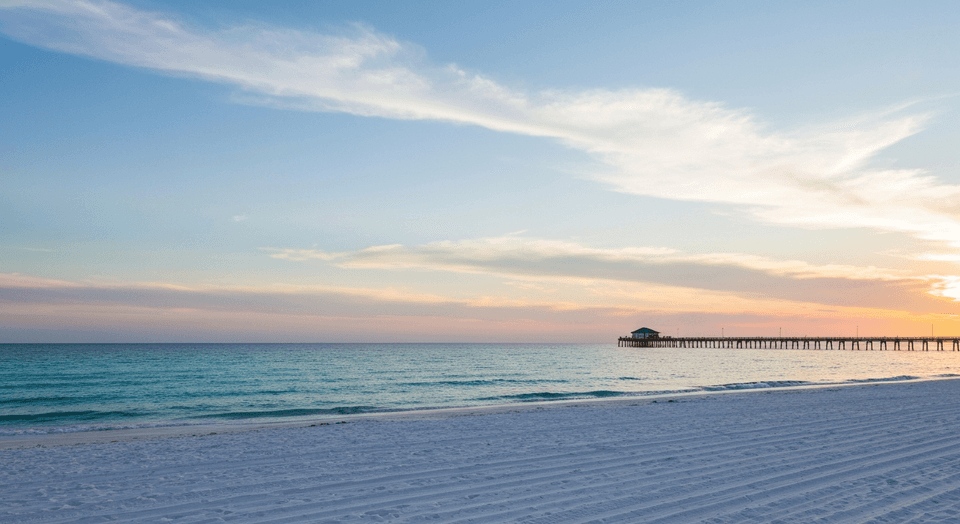
- World-class beaches consistently ranked among America's best (Vanderbilt Beach, Naples Beach, Clam Pass)
- Exceptional healthcare with NCH Healthcare System's two hospitals and specialty centers
- Cultural amenities rivaling much larger cities-Artis Naples, Gulfshore Playhouse, Baker Museum
- 90+ golf courses in Collier County alone, from public to ultra-private
- Low crime rate significantly below Florida and national averages
- Airport accessibility (RSW is 35 minutes; private aviation at Naples Airport APF)
- Walkable downtown with Fifth Avenue South and Third Street South dining and shopping
Climate Overview
Naples enjoys Southwest Florida's subtropical climate with notable advantages for retirees who want to stay active outdoors year-round:
| Season | Temperature Range | Conditions |
|---|---|---|
| Winter (Dec-Feb) | 55-77°F | Dry, pleasant, peak season |
| Spring (Mar-May) | 65-87°F | Warming, low humidity, ideal |
| Summer (Jun-Aug) | 75-92°F | Hot, humid, afternoon storms |
| Fall (Sep-Nov) | 70-85°F | Hurricane season, humidity drops |
Best months: November through April offers near-perfect weather for golf, beach days, and outdoor dining. Naples' position on the Gulf coast provides cooling sea breezes that moderate summer heat compared to inland Florida cities like Lehigh Acres or Immokalee. Summers are hot and humid with reliable afternoon thunderstorms that typically clear by evening, leaving behind spectacular Gulf sunsets.
Cost of Living in Naples for Retirees
Naples is more expensive than the Florida average, but retirees relocating from high-cost states often find the tax savings offset higher housing costs. In 2026, Collier County's median home price sits around $575,000-well above the Florida median of roughly $400,000-but the absence of state income tax makes a significant difference for retirees with pensions and investment income.

Housing Costs (2026)
| Housing Type | Price Range | Monthly HOA |
|---|---|---|
| Condo (2BR) | $350,000 - $650,000 | $400 - $900 |
| Single Family | $550,000 - $1,300,000 | $200 - $500 |
| 55+ Community | $300,000 - $750,000 | $300 - $650 |
| Luxury Golf | $800,000 - $3,000,000+ | $800 - $2,500 |
Monthly Budget Breakdown
A comfortable retirement in Naples typically requires $5,000-$8,000 per month for a couple, depending on housing and lifestyle choices:
- Housing: $2,500 - $4,500 (mortgage/rent + HOA + insurance)
- Utilities: $200 - $400 (higher in summer for A/C; budget $350+ June-September)
- Healthcare: $400 - $800 (Medicare supplement + out-of-pocket)
- Groceries: $600 - $900 (Publix, Whole Foods, Wynn's Market for local favorites)
- Transportation: $300 - $500 (car insurance, gas, maintenance)
- Entertainment: $500 - $1,500 (dining, golf, cultural events, memberships)
Pro Tip: Many retirees find that eliminating state income tax on their pension and Social Security saves $5,000-$20,000 annually compared to states like New York, New Jersey, or California. Run your specific numbers using a state tax comparison calculator. See our cost of living comparison across SWFL cities for detailed breakdowns of how Naples stacks up against Fort Myers, Cape Coral, and Sarasota.
Experience Naples firsthand - book a scouting trip to explore neighborhoods during season and off-season
Find Naples Hotels →
Best Naples Neighborhoods for Retirees
Choosing the right neighborhood is the single most important decision when retiring to Naples. Each area has a distinct personality, price point, and lifestyle. Here are the top neighborhoods retirees should consider in 2026.
Pelican Bay
The gold standard for Naples retirement living. This master-planned community of over 6,000 residences offers private beach access via tram, two beachfront restaurants (The Sandbar and The Sunset Beach Bar & Grill), and impeccable landscaping maintained by the Pelican Bay Foundation. Homes range from $500,000 condos to $5 million+ estates along the Clam Bay nature preserve.
- Best for: Active retirees who want beach access and a strong community feel
- Amenities: Private beach, tram service, tennis, fitness center, community center, nature trails
- HOA fees: $400 - $1,200/month (varies by sub-community)
- Notable: Home to The Glenview CCRC and Waterside Shops (Nordstrom, Saks)
Pelican Marsh
Adjacent to Pelican Bay with lower price points and a more intimate feel. This gated community features a championship golf course, tennis courts, and a full-service clubhouse. Strong sense of community with regular social events, wine tastings, and seasonal gatherings.
- Best for: Golf enthusiasts, social butterflies who want a connected community
- Home prices: $400,000 - $2,000,000
- Golf membership: Optional (not bundled with homes)
- Location advantage: Close to Mercato shopping and dining
Vineyards
A more affordable option with excellent amenities that doesn't sacrifice quality. Two golf courses (one public, one private), tennis, pickleball courts, and multiple pools. Active social calendar year-round with organized clubs and events. Located along Pine Ridge Road with easy access to shopping.
- Best for: Budget-conscious retirees who want golf and an active lifestyle
- Home prices: $350,000 - $1,200,000
- Golf: Bundled with many homes (significant value)
- Dining: On-site country club dining plus close proximity to Naples restaurants
Old Naples
Walk to Fifth Avenue South, Third Street South, and the beach. Historic charm meets modern convenience in Naples' original downtown neighborhood. Higher price point but unmatched walkability-one of the few places in SWFL where you truly don't need a car daily.
- Best for: Those who prefer urban walkability and cultural immersion
- Home prices: $800,000 - $5,000,000+
- Lifestyle: Restaurants, shops, galleries, Cambier Park, and Naples Pier steps away
- Drawback: Seasonal crowds can make parking and dining reservations challenging January-April
Lely Resort
Popular 55+ destination with three championship golf courses and the award-winning Players Club & Spa. Strong value proposition with newer construction (most homes built 2000-2015) and resort-style amenities.
- Best for: Active adults and golf lovers seeking value
- Home prices: $300,000 - $800,000
- Notable: Highly rated Players Club with pools, fitness, racquet sports, and a full social calendar
- Location: South Naples, convenient to Marco Island and Everglades day trips
Book stays in different areas to find your perfect fit before committing
Compare Naples Areas →
55+ Communities in Naples
Naples offers numerous age-restricted and continuing care communities designed specifically for retirees. These range from active-adult neighborhoods to full continuing care retirement communities (CCRCs) that guarantee care through all stages of aging. For a broader look at options across the region, see our guide to the best 55+ communities in Southwest Florida.
Vi at Bentley Village
One of Naples' most prestigious CCRCs, located off Airport-Pulling Road. Vi offers independent living villas and apartments with a full continuum of care including assisted living, memory care, and skilled nursing-all on a beautifully landscaped 156-acre campus.
- Type: Continuing Care Retirement Community (CCRC)
- Price: Entry fee ($350,000-$1,500,000+) plus monthly fees ($3,000-$6,000+)
- Best for: Those wanting lifetime care guarantees with resort-style living
- Amenities: Multiple dining venues, fitness center, pool, performing arts center, on-site clinic
The Glenview at Pelican Bay
A CCRC that combines the benefits of Pelican Bay's amenities with comprehensive continuing care. Residents enjoy Pelican Bay's private beach access, tram service, and community events while having the security of on-site healthcare.
- Type: CCRC within Pelican Bay
- Location: Direct access to Pelican Bay amenities including private beach
- Best for: Retirees wanting Pelican Bay's lifestyle with care options as they age
- Notable: One of the few CCRCs in Florida with private beach access
Moorings Park
A luxury CCRC with multiple campuses, including a location adjacent to Grey Oaks. Known for its Grande Lake campus with contemporary design and high-end finishes. Moorings Park is consistently rated among Florida's top retirement communities.
- Type: CCRC with multiple campuses
- Price: Premium entry and monthly fees
- Best for: Luxury-focused retirees who want top-tier care and aesthetics
- Campuses: Original Moorings Park, Moorings Park at Grey Oaks, Moorings Park Grande Lake
Valencia Golf and Country Club
A GL Homes 55+ active adult community in north Naples with a focus on golf, fitness, and social connection. Unlike CCRCs, Valencia is an ownership community without continuing care-ideal for independent, active retirees.
- Type: 55+ active adult community
- Price: $400,000 - $800,000
- Best for: Golf-focused active adults who don't need continuing care
- Amenities: Championship golf course, clubhouse, resort-style pool, tennis, pickleball, fitness center
Healthcare in Naples
Access to quality healthcare is a top priority for retirees, and Naples delivers. The city's medical infrastructure has expanded significantly in recent years to meet growing demand from an aging population.
NCH Healthcare System
The region's largest healthcare provider operates two full-service hospitals and an extensive network of outpatient centers:
- NCH Baker Hospital Downtown: Full-service, Level II trauma center with 393 beds, heart institute, and comprehensive emergency department
- NCH North Naples Hospital: Newer facility on Immokalee Road with 322 beds, comprehensive surgical services, and a growing specialty clinic network
- NCH Physician Group: 800+ physicians across dozens of specialties, making it easier to keep all your care within one system
Physicians Regional Healthcare System
Two hospital locations serving south Naples and Marco Island. Part of a system that includes:
- Physicians Regional Pine Ridge: 101 beds, emergency services, orthopedic specialties
- Physicians Regional Collier Boulevard: 100 beds, serving the growing south Naples and Marco Island communities
Specialty Care
Naples punches well above its weight for a city of its size when it comes to specialized medical care:
- NCH Heart Institute: Advanced cardiac care including interventional cardiology and cardiac surgery
- David Lawrence Centers: Behavioral health and substance abuse treatment
- 21st Century Oncology: Comprehensive cancer treatment with multiple Naples locations
- Naples Community Hospital Stroke Center: Certified primary stroke center
- Multiple urgent care locations throughout the city (including two NCH Immediate Care centers)
Pro Tip: Many Naples physicians accept Medicare, but popular doctors may have waitlists-especially during season when the population swells. Establish care with a primary physician soon after moving, ideally during the quieter summer months when appointments are more readily available.
Taxes for Florida Retirees
Florida's tax structure is one of the most favorable in the nation for retirees, and it's a primary driver of relocation decisions. Here's exactly what you need to know for 2026.

What's NOT Taxed in Florida
- State income tax: None whatsoever (Florida is one of nine states with no income tax)
- Social Security benefits: Completely tax-free at the state level
- Pension income: All pension income is untaxed, regardless of source
- IRA/401k distributions: No state tax on any retirement account withdrawals
- Investment income: Capital gains, dividends, and interest are all state-tax-free
- Estate/inheritance tax: Florida has no estate or inheritance tax
What IS Taxed
- Property tax: ~1% of assessed value in Collier County (varies by municipality and millage rate). A $500,000 home with homestead exemption pays roughly $4,500-$5,500 annually
- Sales tax: 6% state + 0.5% Collier County = 6.5% (groceries and prescription drugs are exempt)
- Documentary stamp tax: Applies when purchasing real estate ($0.70 per $100 of sale price)
Homestead Exemption
Florida residents get a $50,000 homestead exemption on their primary residence, reducing your taxable property value significantly. You must apply by March 1 of the year following your home purchase through the Collier County Property Appraiser's office. Additional exemptions are available for seniors 65+ with household income under $36,614 (2026 threshold, adjusted annually).
The Save Our Homes cap limits annual assessed value increases to 3% or CPI (whichever is lower), protecting long-term homeowners from rapid tax increases even as market values rise.
Things to Do in Retirement
One of Naples' greatest strengths is the sheer variety of activities available to retirees. Boredom is simply not a concern here. For a deeper dive, see our complete guide to things to do in Naples.
Outdoor Activities
- Beaches: Vanderbilt Beach, Clam Pass, Lowdermilk Park, Naples Pier, Delnor-Wiggins Pass State Park
- Golf: 90+ courses in Collier County from public (Naples Beach Hotel, Lely Flamingo Island) to ultra-private (The Club Pelican Bay)
- Boating: Naples Bay, Gordon River, Gulf access via Gordon Pass-charter or own
- Fishing: Charter deep-sea fishing, backwater flats fishing, pier fishing at Naples Pier
- Biking: Gordon River Greenway (2.5 miles paved), Beach paths, Freedom Park trails
- Tennis/Pickleball: Community courts in virtually every neighborhood; Cambier Park public courts downtown
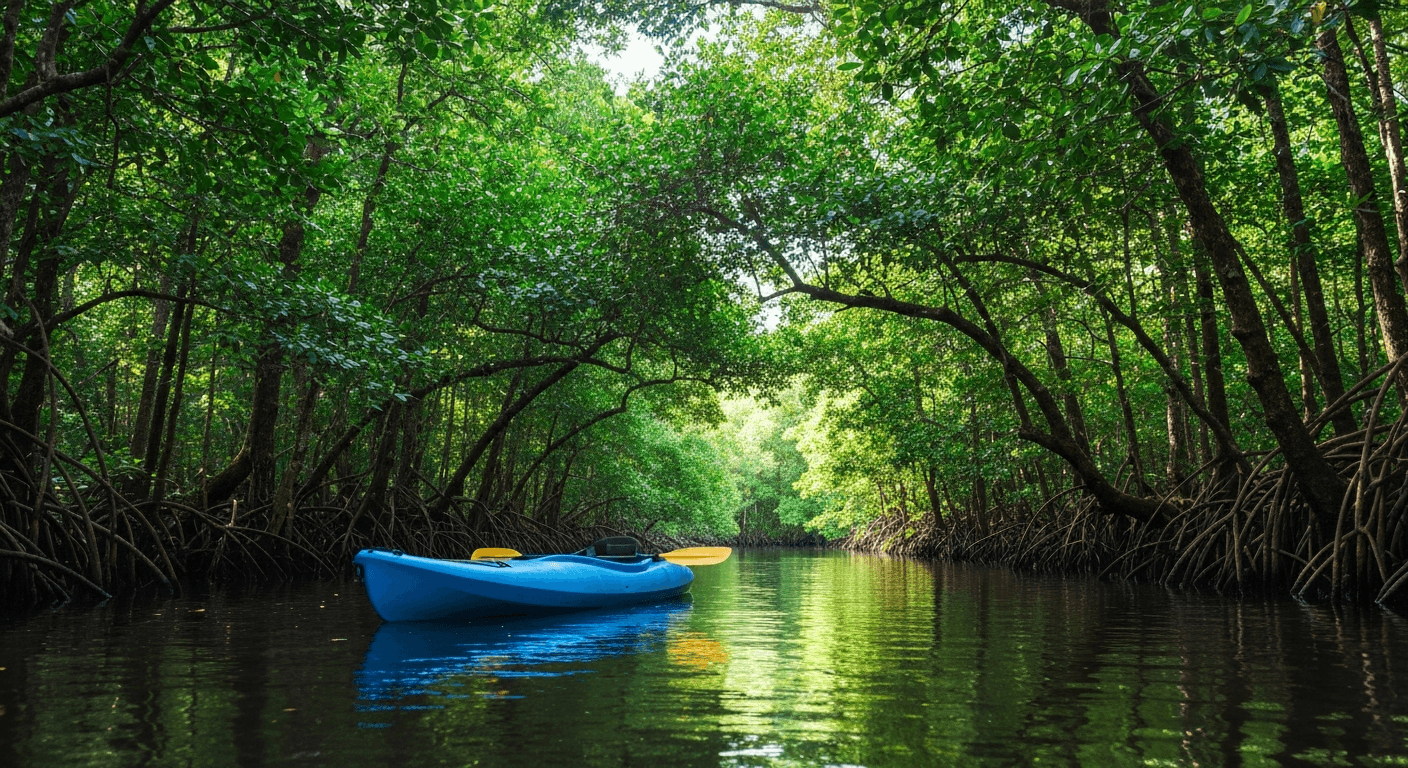
- Kayaking: Rookery Bay, Clam Bay, mangrove trails through Ten Thousand Islands
Cultural Attractions
- Artis Naples: World-class Naples Philharmonic, Broadway touring shows, and guest performers
- The Baker Museum: Contemporary art museum on the Artis Naples campus
- Naples Art District: Local galleries and working studios along Solana Road
- Gulfshore Playhouse: Professional regional theater (new state-of-the-art facility opened in downtown)
- Naples Players: Beloved community theater performing since 1953 at Sugden Theatre
- Naples Botanical Garden: 170 acres of cultivated gardens representing climates from around the world
Social Opportunities
- Fifth Avenue South: Dining, shopping, art galleries, and people-watching
- Third Street South: Boutiques, galleries, Saturday morning farmers market
- Mercato: Open-air shopping, dining, movies, and live music events
- Community clubs: Every neighborhood has active social calendars with golf leagues, card groups, book clubs, fitness classes, and themed parties
- Volunteering: Naples has one of Florida's highest volunteer participation rates-organizations like the Conservancy of SWFL, Naples Zoo, and United Way always welcome help
Discover guided tours, sunset cruises, Everglades airboat rides, and more
Browse Naples Tours →
Moving to Naples: Practical Steps
Planning your move carefully can save you months of frustration. Here's a tested timeline that hundreds of successful Naples retirees have followed.
Timeline
- 12-18 months before: Research neighborhoods online, subscribe to local news (Naples Daily News, Gulfshore Life), talk to a financial advisor about Florida tax implications
- 6-12 months before: Visit Naples in different seasons-experience both the busy winter and the quiet summer. Attend open houses, tour 55+ communities
- 3-6 months before: Secure housing, connect with a local realtor who specializes in retirement communities. Get pre-approved for financing if needed
- 1-3 months before: Hire movers (book early for October-December moves), transfer medical records, research and contact Naples physicians
- First month: Establish residency-get Florida driver's license within 30 days, register to vote, update your address with financial institutions, Social Security, and the IRS
- First year: File homestead exemption by March 1 (this is critical-don't miss this deadline or you lose a year of savings)
Finding a Home
Work with a local realtor who specializes in the neighborhoods and communities you're considering. Many gated communities require buyer approval, and some HOAs have rental restrictions or minimum purchase requirements. An experienced agent can guide you through these nuances and help you avoid communities that don't match your lifestyle.
Recommended: Visit during both season (January-April) and off-season (June-September) to experience the dramatic difference. A neighborhood that feels vibrant and exciting in February may feel isolated in July-or blissfully quiet, depending on your preference.
Establishing Residency
To claim Florida residency and maximize your tax benefits:
- Get a Florida driver's license (required within 30 days of establishing residency)
- Register to vote in Florida
- File a Declaration of Domicile with the Collier County Clerk of Courts
- Update your address with banks, brokerages, Social Security Administration, and the IRS
- If you maintain a home in another state, consult a tax advisor to ensure you meet Florida's residency requirements and sever tax ties to your former state
Pros and Cons of Retiring to Naples
Pros
- No state income tax on pensions, Social Security, investments, or any other income
- Beautiful beaches and weather with 300+ days of sunshine annually
- Excellent healthcare with two hospital systems and robust specialty care
- Active social scene with organized community events, clubs, and dining options
- Cultural amenities including professional symphony, theater, and art museums
- Safe communities with crime rates well below state and national averages
- Airport accessibility via RSW (Southwest Florida International) and Naples Airport
- World-class golf with 90+ courses for every skill level and budget
Cons
- Higher cost of living than most Florida retirement destinations (housing costs 30-50% above Fort Myers/Cape Coral)
- Hot and humid summers from June through September with daily afternoon thunderstorms
- Hurricane risk (Naples is relatively protected by geography, but Hurricane Ian in 2022 proved no coastal area is immune)
- Heavy traffic during season (January-April), especially on US 41, Pine Ridge Road, and Immokalee Road
- Seasonal population swings mean some restaurants and services reduce hours May-October
- Limited public transportation (Collier Area Transit exists but is not practical for daily life-a car is essential)
Frequently Asked Questions
Is Naples too expensive for retirees?
It depends on your budget and current tax situation. While Naples is pricier than most Florida retirement destinations, retirees from high-tax states (New York, New Jersey, California, Illinois, Connecticut) frequently find their purchasing power increases despite higher housing costs. The elimination of state income tax on pensions, Social Security, and investment income can save $10,000-$30,000+ annually for well-funded retirees. Run the numbers for your specific situation-you may be surprised.
What's the best time to move to Naples?
Most retirees prefer moving in fall (October-November) or late spring (May). This avoids peak season crowds and pricing while offering pleasant weather for house hunting and settling in. Summer moves (June-September) are cheapest but hottest, and you'll see Naples at its quietest-which is useful for understanding the off-season lifestyle. Don't move during peak season (January-March) if you can avoid it-moving companies charge premium rates and traffic makes everything harder.
How do I handle hurricanes?
Naples hasn't had a direct major hurricane hit in decades-the city sits at a fortunate angle to typical storm tracks. However, Hurricane Ian (2022) caused significant damage to nearby Fort Myers Beach, demonstrating that no coastal Florida location is immune. Most quality communities have hurricane shutters or impact-rated windows standard. Many retirees travel north during peak hurricane season (August-October). Flood insurance and windstorm coverage are essential and should be factored into your housing budget.
Can I find affordable housing in Naples?
Relative to Naples, yes. Golden Gate Estates, East Naples, and communities along Collier Boulevard offer lower price points. Condos under $350,000 still exist but are increasingly competitive in desirable locations. "Affordable Naples" is relative-you're still typically paying 30-50% more than comparable housing in Fort Myers, Cape Coral, or Charlotte County. If budget is your primary concern, explore our guides to other SWFL retirement destinations that offer better value.
What about healthcare specialists?
Naples has excellent specialists in most fields-cardiology, orthopedics, oncology, dermatology, gastroenterology, and more. NCH Healthcare System attracts quality physicians and continues expanding its specialty network. For rare conditions requiring highly specialized expertise, Tampa's Moffitt Cancer Center (2.5 hours) and Miami's major medical centers (2 hours) are accessible. Cleveland Clinic Florida in Weston (1.5 hours) is popular for second opinions and complex procedures.
Is Naples walkable?
Selectively. Old Naples offers genuine walkability-Fifth Avenue South, Third Street South, the beach, and Cambier Park are all accessible on foot. Pelican Bay has excellent internal walkability with private beach tram service. But most of Naples requires a car for daily life-grocery shopping, medical appointments, and dining outside your immediate neighborhood all require driving. Golf cart travel is popular within communities but doesn't solve citywide transportation. If walkability is essential, focus on Old Naples or Pelican Bay.
How seasonal is Naples?
Very seasonal. The permanent population of roughly 22,000 swells to 80,000+ from January through April as snowbirds return. Restaurants require reservations (especially on weekends), US 41 traffic slows to a crawl during peak hours, and beaches fill up by mid-morning. Summer (May-October) sees a dramatic quieting-some restaurants close or reduce hours, but locals enjoy easier access to everything at lower prices. Many full-time retirees love the seasonal rhythm; others find the winter crowds frustrating. Visit during both seasons before deciding.
What's the social scene like?
Robust and varied. Every community has active social calendars-golf groups, tennis leagues, book clubs, bridge groups, wine clubs, fishing outings, and themed dinner parties. Fifth Avenue South and Third Street South offer dining and people-watching. Artis Naples brings cultural events year-round. Church congregations, service organizations (Rotary, Kiwanis), and volunteer groups are active and welcoming. The challenge isn't finding activities; it's choosing among them. Many retirees report fuller social calendars than during their working years.
How does Naples compare to Sarasota for retirement?
Both are excellent choices. Naples is smaller, wealthier, more beach-and-golf focused with a distinctly upscale feel. Sarasota is larger with stronger arts and cultural institutions (Ringling Museum, Sarasota Opera, Asolo Repertory Theatre) and a more diverse downtown scene. Naples has better Gulf beaches; Sarasota has more variety including barrier island beaches. Naples skews older and more conservative; Sarasota attracts a slightly younger, more eclectic crowd. Both have excellent healthcare and no state income tax. For a detailed side-by-side breakdown, see our Naples vs. Sarasota comparison guide.
Final Thoughts
Retiring to Naples offers an exceptional quality of life for those who can afford it. The combination of beautiful Gulf beaches, top-tier healthcare, favorable tax structure, and vibrant cultural scene makes it one of America's premier retirement destinations in 2026.
The key is finding the right neighborhood for your lifestyle and budget. Whether you want the walkability of Old Naples, the golf lifestyle of Lely Resort, or the private beach access of Pelican Bay, Naples has options for virtually every type of retiree.
Ready to explore Naples? Consider visiting for an extended stay during both season and off-season to experience the full range of what life here offers. Many future residents rent for a season before committing to a purchase-it's the smartest move you can make.
Book a hotel in your target neighborhood and experience the lifestyle before you commit
Browse Naples Hotels →
Try sunset cruises, golf outings, and Everglades tours before you move
Browse Naples Tours →
More Naples & SWFL Guides
Explore more about life in Naples and Southwest Florida:
- Best Restaurants in Naples - Where the locals eat year-round
- Best Seafood Restaurants in Naples - Fresh Gulf catches and waterfront dining
- Fifth Avenue South Complete Guide - Downtown Naples' premier street
- Third Street South Guide - Boutiques, galleries, and the Saturday farmers market
- Best Naples Tours & Activities - Top experiences for visitors and new residents
- Things to Do in Naples - Complete activity guide for every interest
- Hidden Gems in Naples - Spots the tourists miss
- Best Hotels in Naples - Where to stay on your scouting trip
Compare Other SWFL Retirement Destinations
Not sure if Naples is right for you? Explore other Southwest Florida options:
- Retiring to Southwest Florida - Overview Guide - Compare all SWFL cities side-by-side
- Naples vs. Sarasota - Detailed retirement comparison
- Naples vs. Fort Myers - Which city fits your budget and lifestyle?
- Cost of Living: SWFL Cities Compared - Hard numbers for every major city
- Best 55+ Communities in SWFL - Region-wide guide to retirement communities
- Best Golf Courses in SWFL - 90+ courses reviewed
- Fort Myers Retirement Guide - More affordable, diverse neighborhoods
- Sarasota Retirement Guide - Cultural capital, arts-focused
- Marco Island Retirement Guide - Exclusive island living
- Cape Coral Retirement Guide - Affordable waterfront, 400+ miles of canals
- Venice Retirement Guide - Walkable downtown, shark tooth beaches