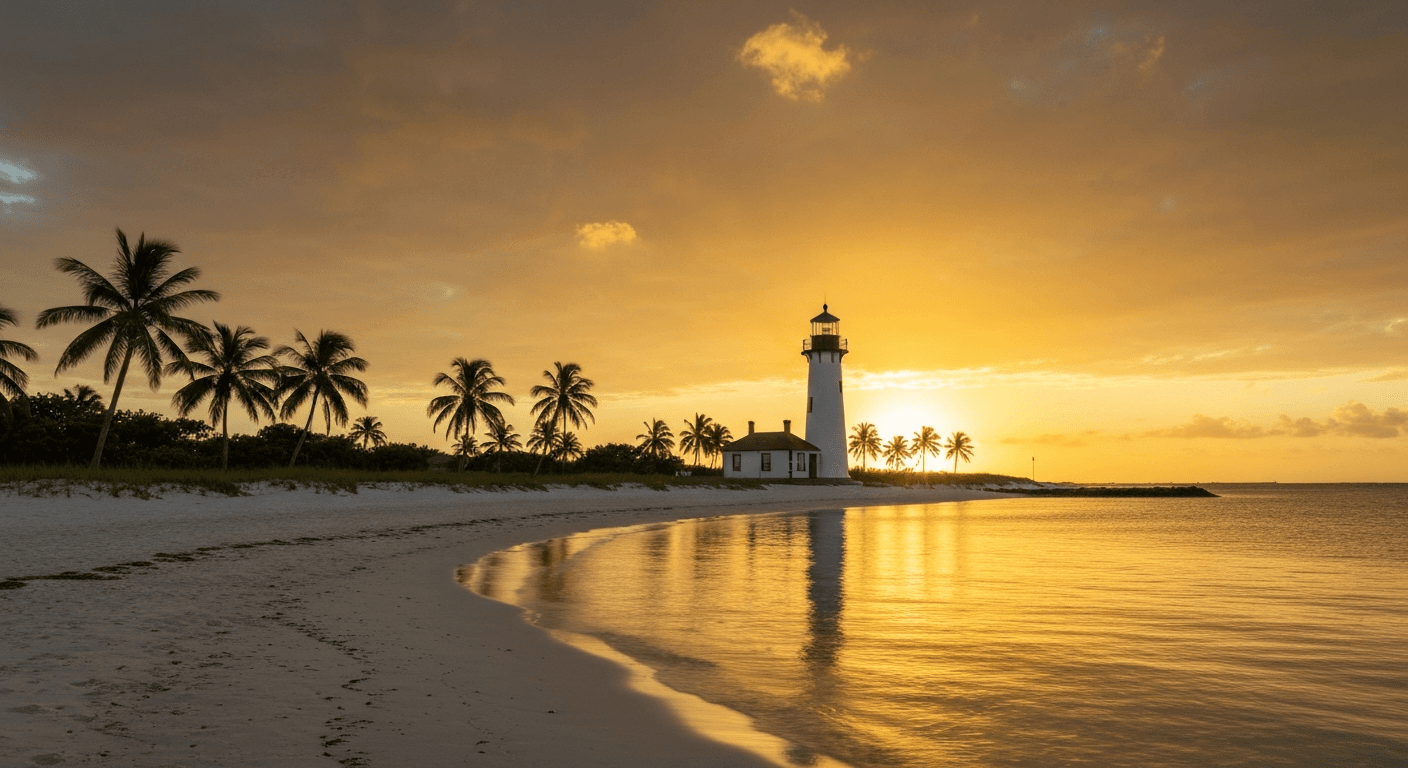
Sanibel Island is unlike any other place in Florida-or, arguably, anywhere in the world. This 12-mile barrier island operates essentially as a wildlife sanctuary with houses, where nature takes genuine priority and development follows strict codes preventing commercial intrusion. No chain restaurants. No high-rises. No buildings taller than palm trees. The world-famous shelling beaches, the J.N. "Ding" Darling National Wildlife Refuge, and the dark-sky preserve create a retirement lifestyle focused on nature rather than consumption.
Important Note: Hurricane Ian devastated Sanibel in September 2022, destroying the causeway and flooding most of the island. The island has substantially recovered-the causeway rebuilt, businesses reopened, homes reconstructed-but the rebuilding continues. This guide reflects the current reality and honest assessment of whether Sanibel's post-Ian premium is worth it for your retirement.
For those who choose it, Sanibel offers something irreplaceable: a community of like-minded nature lovers living in one of America's most unique environments. But the costs-financial and logistical-have increased substantially since Ian.
Why Retirees Choose Sanibel
Sanibel attracts retirees seeking something fundamentally different from typical Florida retirement-those who prioritize nature, conservation, and community over convenience and commerce:
- No state income tax on retirement income, Social Security, or pensions
- World-class shelling beaches earning title "Seashell Capital of the World"
- Wildlife sanctuary atmosphere with development codes protecting natural character
- J.N. "Ding" Darling Wildlife Refuge - one of America's finest, spanning 7,600 acres
- No commercial development - no chain restaurants, no strip malls, no high-rises
- Dark sky preserve - stunning stargazing unmatched on Florida's west coast
- Tight-knit community of like-minded nature lovers who rebuilt together post-Ian
- Unique architecture - height limits prevent buildings exceeding palm tree canopy
- 30+ miles of biking paths making car-free days possible
- Bailey-Matthews National Shell Museum - world-class natural history
Climate Overview
Sanibel enjoys Southwest Florida's subtropical climate with Gulf breezes moderating the island:
| Season | Temperature Range | Conditions |
|---|---|---|
| Winter (Dec-Feb) | 55-75°F | Dry, pleasant, peak shelling season |
| Spring (Mar-May) | 65-85°F | Warming, ideal birding, low humidity |
| Summer (Jun-Aug) | 75-92°F | Hot, humid, afternoon storms |
| Fall (Sep-Nov) | 70-85°F | Hurricane season, humidity drops November |
Best months: December through April offers ideal weather for shelling (low tides), biking, and wildlife viewing. Winter is peak birding season at Ding Darling. Summer brings reliable afternoon thunderstorms and much quieter beaches. Hurricane season (June-November) requires awareness and preparation-Sanibel evacuates for major storms.
Post-Ian Reality
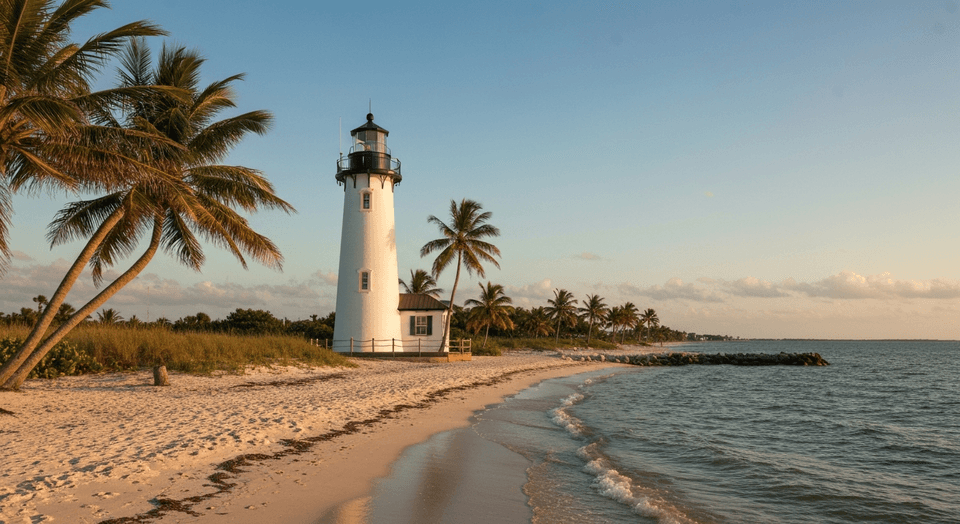
Hurricane Ian (September 2022) transformed Sanibel:
Recovery Status
- Causeway: Fully rebuilt and reopened
- Housing: Many homes rebuilt or repaired; some properties still damaged
- Businesses: Most have reopened; some permanently closed
- Schools: Reopened and operating
- Utilities: Fully restored
What Changed
- Population: Some residents didn't return
- Property values: Mix of increases (new construction) and deals (damaged properties)
- Insurance: Significantly more expensive and harder to obtain
- Rental market: Changed dynamics
- Community: Stronger bonds among those who rebuilt
Current Buying Considerations
- New construction: Premium prices but modern codes
- Renovated homes: Verify all repairs properly permitted
- Damaged properties: Significant discounts but buyer beware
- Insurance: Secure quotes before purchasing
Cost of Living on Sanibel for Retirees
Sanibel has always been premium-priced. Post-Ian, dynamics have shifted.
Housing Costs
| Housing Type | Price Range | Monthly HOA |
|---|---|---|
| Condo (2BR) | $400,000 - $900,000 | $600 - $1,200 |
| Single Family | $700,000 - $2,500,000 | $100 - $400 |
| Canal Front | $1,000,000 - $3,000,000+ | $100 - $500 |
| Gulf Front | $1,500,000 - $5,000,000+ | $800 - $2,000+ |
Insurance Reality
Post-Ian insurance is a major consideration:
- Homeowners: $10,000 - $30,000+ annually
- Flood: $2,000 - $15,000+ annually
- Wind: Often separate policy
- Citizens (state insurer): Often last resort, expensive
Monthly Budget Breakdown
A comfortable retirement on Sanibel typically requires:
- Housing: $4,000 - $8,000+ (including insurance)
- Utilities: $200 - $400
- Healthcare: $400 - $800 (Medicare supplement)
- Groceries: $600 - $1,000 (limited on-island options)
- Transportation: $300 - $500
- Entertainment: $500 - $1,200
Experience Sanibel firsthand - book a scouting trip to explore the island
Find Sanibel Hotels →
Sanibel Neighborhoods and Areas
West Gulf Drive
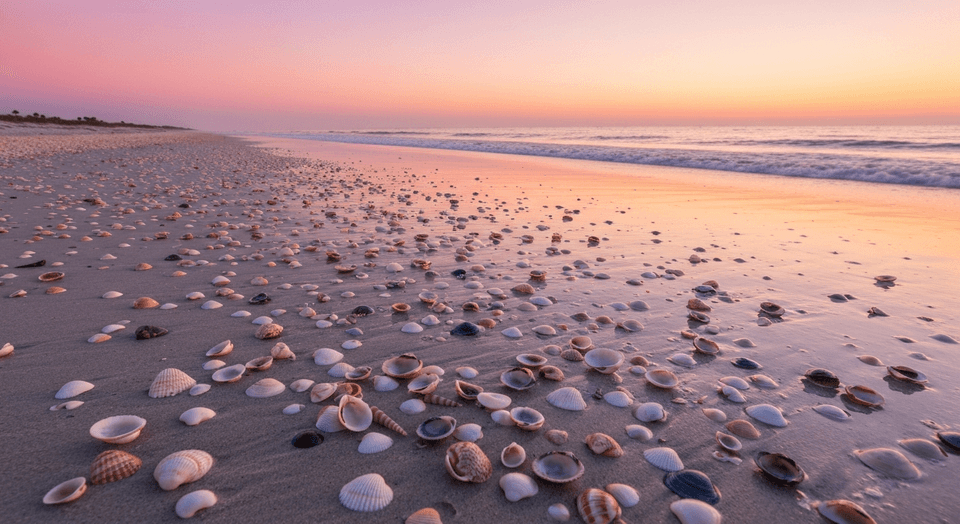
Prime location along the Gulf. Mix of elevated homes and condos with beach access.
- Best for: Beach lovers with budget
- Home prices: $1,000,000 - $5,000,000+
- Character: Quiet, residential, easy beach access
- Post-Ian: Many homes rebuilt to new codes
East End (Lighthouse Area)
Near Sanibel Lighthouse and fishing pier. More affordable options, still charming.
- Best for: Budget-conscious Sanibel buyers
- Home prices: $600,000 - $1,500,000
- Character: Historic area, great shelling nearby
- Amenities: Near causeway, first businesses you reach
Sanibel Gardens/Gumbo Limbo
Interior neighborhoods with nature trails and affordable prices.
- Best for: Value seekers, nature lovers
- Home prices: $500,000 - $1,000,000
- Character: Wooded lots, wildlife, trails
- Beach access: Quick bike or drive
Blind Pass/Bowman's Beach Area
Near Sanibel's most natural beach. Popular with shellers and nature enthusiasts.
- Best for: Serious shellers, nature lovers
- Home prices: $700,000 - $2,000,000
- Character: Natural setting, top shelling
- Post-Ian: Blind Pass area reshaped by storm
Captiva Island
Sanibel's neighbor, even more exclusive. Small population, resort atmosphere.
- Best for: Ultimate exclusivity and privacy
- Home prices: $1,000,000 - $10,000,000+
- Character: Tiny community, resort focused
- Post-Ian: Significant rebuilding continues
The Sanibel Lifestyle
Living on Sanibel requires embracing a particular way of life:
The Sanibel Stoop
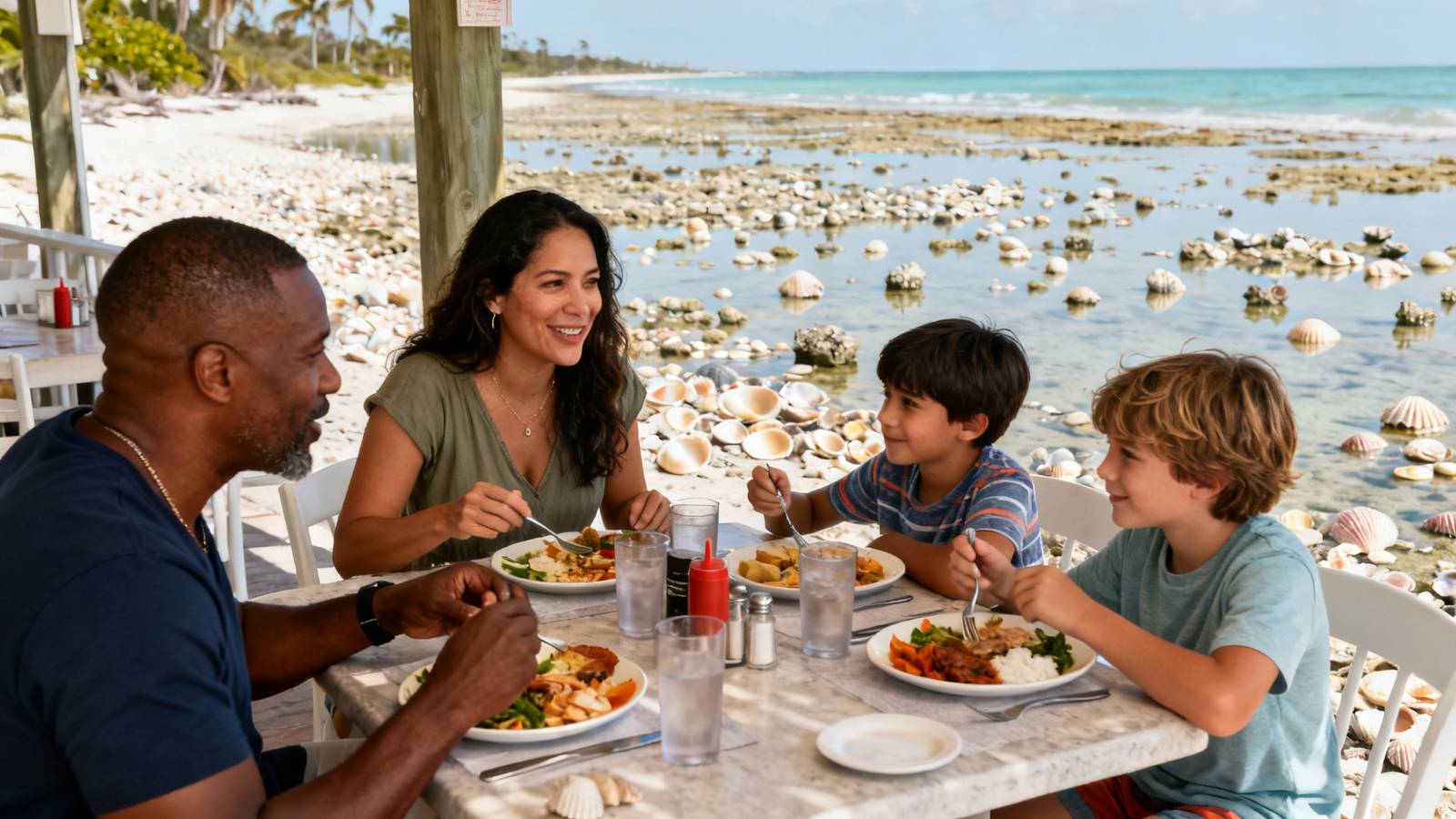
Shelling is a way of life. You'll see residents bent over searching beaches - the famous "Sanibel Stoop." Rare shells are treasured, and shell knowledge becomes a hobby.
Biking Culture
- 30+ miles of shared-use paths
- Many residents bike everywhere
- Electric bikes popular with retirees
- Less traffic, more freedom
Conservation Priority
- Light pollution controls - night sky preservation
- Native vegetation requirements
- Height restrictions - no building above palm trees
- Wildlife corridors - development patterns protect animals
Island Time
- Everything moves slower
- Limited shopping (one small grocery store)
- Off-island trips for major shopping
- Community events central to social life
Healthcare on Sanibel
Sanibel has limited on-island healthcare:
On-Island
- Island Medical Center: Urgent care, primary care
- Limited specialists available
Fort Myers (30-45 minutes via causeway)
- Lee Health System: Full hospital services
- Gulf Coast Medical Center: Level II trauma
- HealthPark Medical Center: Specialized care
Healthcare Considerations
- Causeway dependency: Medical emergencies require crossing
- Air ambulance: Available for critical cases
- Specialist care: Requires mainland trips
- Hurricane evacuation: Must leave for major storms
Important: Retirees with significant ongoing health needs should consider whether island living suits their requirements.
Explore wildlife cruises, shelling tours, and nature experiences
Browse Sanibel Area Tours →
Things to Do in Retirement
Sanibel offers nature-focused retirement activities:
Shelling
- Best beaches: Bowman's Beach, Blind Pass, Lighthouse Beach
- Low tide: Best hunting times
- Shell Fair: Annual March event
- Bailey-Matthews Shell Museum: World-class collection
Wildlife Watching
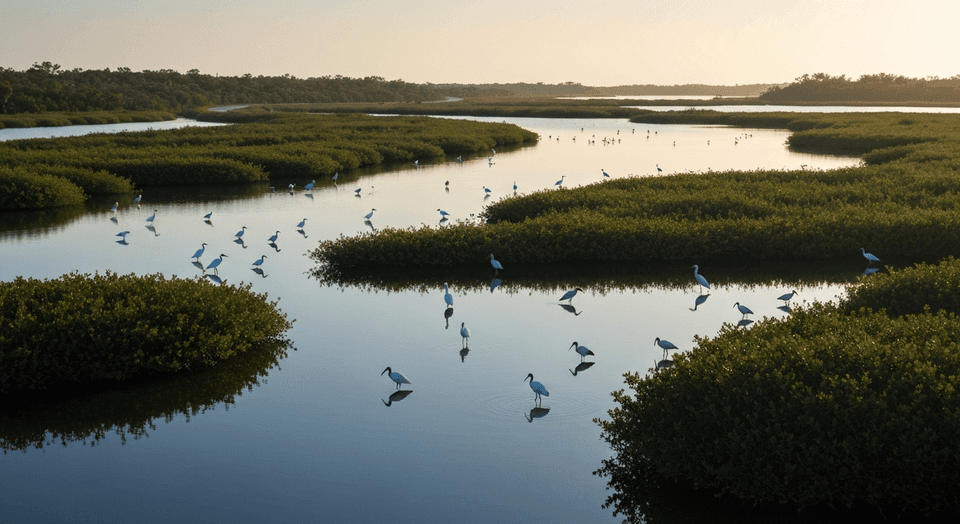
- J.N. "Ding" Darling NWR: One of America's best wildlife refuges
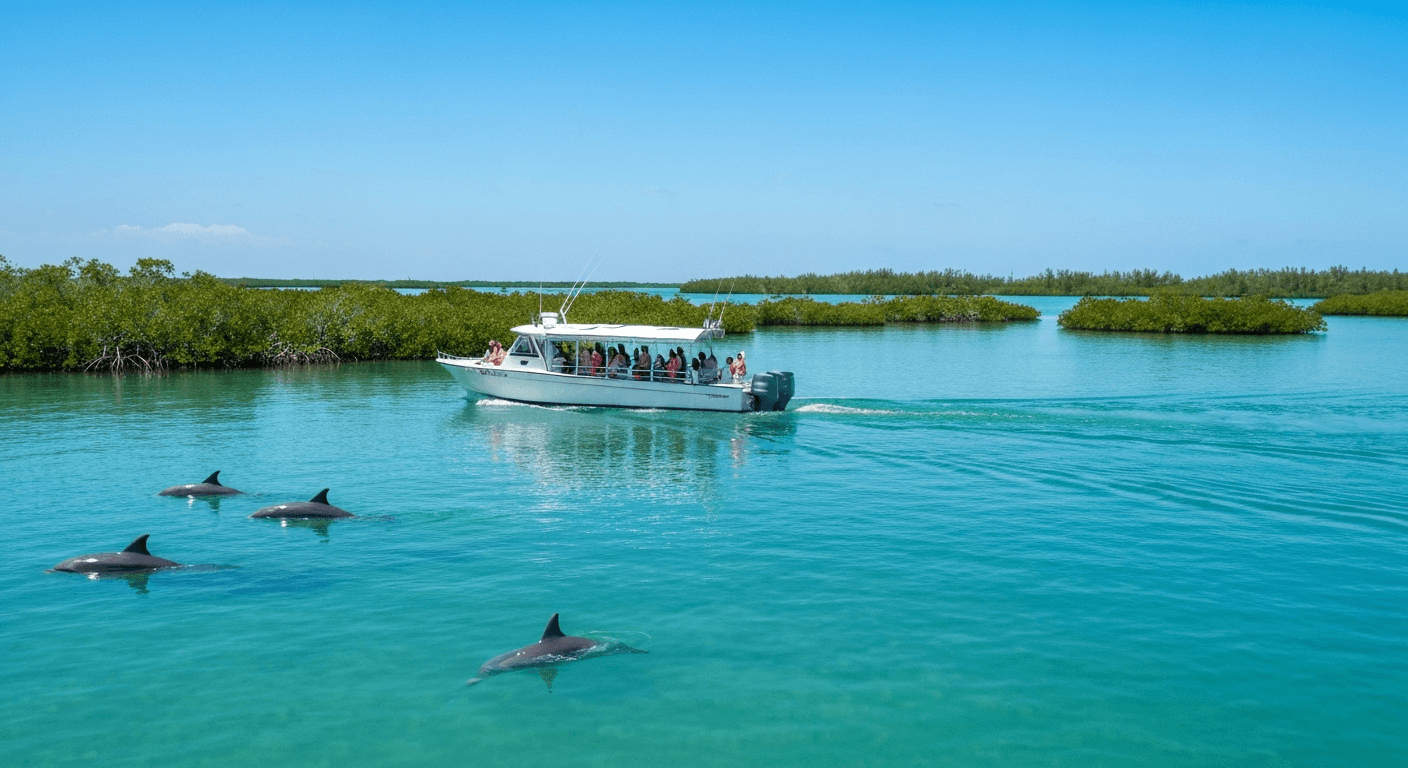
- Roseate spoonbills, manatees, alligators, ospreys
- Wildlife Drive: 4-mile driving loop through refuge
- Tarpon Bay Explorers: Kayak and boat tours
Outdoor Activities
- Kayaking: Extensive mangrove trails
- Biking: 30+ miles of paths
- Fishing: Pier, charter, and surf fishing
- Bird watching: Year-round excellent birding
Community Activities
- Sanibel Recreation Center: Classes, fitness
- Sanibel Community House: Events, programs
- BIG ARTS: Performing and visual arts center
- Sanibel-Captiva Conservation Foundation: Educational programs
Discover local tours, wildlife cruises, and outdoor adventures
Browse Sanibel Tours →
Find hotels, resorts, and vacation rentals for your visit
Browse Sanibel Hotels →
Moving to Sanibel: Practical Steps
Timeline
- 6-12 months before: Visit multiple times, understand post-Ian reality
- 3-6 months before: Work with island realtor, get insurance quotes
- 1-3 months before: Secure housing, verify all repairs if existing home
- First month: Establish Florida residency
- First year: File homestead exemption by March 1
Critical Pre-Purchase Steps
- Insurance quotes first: Some properties are uninsurable at reasonable rates
- Elevation certificates: Critical for flood insurance pricing
- Hurricane shutters/impact glass: Verify storm protection
- Generator: Almost essential for island living
- Permit verification: For any post-Ian repairs
What to Expect
- Tolls: $6 causeway toll each direction
- Limited amenities: Plan shopping trips
- Community involvement: Small island means participation expected
- Hurricane seasons: Plan for evacuation possibilities
Pros and Cons of Retiring to Sanibel
Pros
- No state income tax
- World-class shelling
- Wildlife sanctuary atmosphere
- Dark skies, nature everywhere
- Tight-knit community
- No commercial development
- Excellent biking
- Peaceful lifestyle
Cons
- Very expensive (especially post-Ian)
- Insurance costs extreme
- Limited on-island services
- Hurricane vulnerability
- Causeway dependency
- Limited healthcare
- Far from airports
- Hot and humid summers
Frequently Asked Questions
Should I wait longer to buy post-Ian?
Property values have stabilized since the initial post-storm volatility. The "deals" on damaged properties are largely gone-what remains are either fully repaired homes at premium prices or properties with significant issues. New construction commands substantial premiums but comes with modern hurricane codes. If you're committed to Sanibel's lifestyle, there's no clear benefit to waiting further.
Can I get insurance?
Yes, but it's expensive and complicated. Many properties require Florida's Citizens program (the state insurer of last resort), which provides coverage but at high rates. Private insurers have become selective about barrier island properties. Critical step: Get insurance quotes before making any offer on property. Some properties may have gaps in coverage history that create ongoing problems.
What about rental income?
Sanibel has strict rental regulations-stricter than most Florida communities. Some zones allow short-term rentals (7-day minimum), others prohibit rentals entirely or require 30-day minimums. The city actively enforces these rules. Verify rental rules for any property you're considering-don't assume rental income will be available.
Is Sanibel still worth it post-Ian?
For those who genuinely love nature, shelling, wildlife, and island living-absolutely. The community that rebuilt is more committed and tight-knit than ever. Ian shook out casual residents; those remaining chose Sanibel deliberately. But costs have increased substantially (insurance especially), and the lifestyle requires acceptance of ongoing hurricane risk. Know yourself before committing.
How long is the causeway?
Three miles from the mainland to Sanibel. The toll is $6 each direction for non-residents ($3 with SunPass, free for Sanibel residents after purchasing annual pass). During peak season, the causeway can back up, especially weekend afternoons. Plan timing for off-island appointments and shopping.
What about Captiva Island?
Captiva, connected to Sanibel's north end via a small bridge, is even more exclusive and remote. Population under 500. More resort-focused with South Seas Island Resort as the anchor. Premium prices exceeding Sanibel. Post-Ian recovery continues. For those finding Sanibel "too busy," Captiva offers the ultimate in seclusion-at a price.
How's the community post-Ian?
Stronger than ever. The shared experience of losing so much and rebuilding together bonded Sanibel residents in ways few communities experience. Those who returned are genuinely committed to the island. Community events, volunteer organizations, and neighbor connections are robust. If you rebuild here, you're joining a community that chose Sanibel twice.
Is the lack of services really that limiting?
It depends on your expectations. Sanibel has one grocery store (Jerry's Foods), a few casual restaurants, hardware store, and basic services. Major shopping, diverse dining, healthcare specialists, and entertainment require crossing the causeway to Fort Myers (30-45 minutes). If you need frequent retail therapy or struggle with planning shopping trips, the limitation becomes frustrating. For those comfortable with simpler living, it's merely an adjustment.
What's the age demographic on Sanibel?
Sanibel skews older-median age around 60-but isn't a 55+ community. Families visit (grandchildren!), year-round residents include younger professionals, and the island hosts school-age children. The community feeling is multi-generational but heavily weighted toward retirees who chose nature over urban convenience.
How do I meet people on Sanibel?
The community is welcoming to newcomers. Start with: Sanibel Community House events, Sanibel-Captiva Conservation Foundation volunteer programs, BIG ARTS classes and performances, recreation center programs, and church communities. Shell club and birding groups attract enthusiasts. The small population means faces become familiar quickly-you'll meet people at Jerry's, on the bike path, and at the beach.
Final Thoughts
Sanibel Island offers a retirement unlike anywhere else in Florida. The wildlife, the shelling, the dark skies, and the community create a special atmosphere. But post-Ian reality means higher costs, insurance challenges, and commitment to island living with all its limitations.
For retirees who prioritize nature and are prepared for the costs and logistics, Sanibel delivers a magical lifestyle. For those wanting convenience and lower costs, mainland options may suit better.
Ready to explore Sanibel? Spend a week during different seasons. Shell at Bowman's Beach, bike to "Ding" Darling, and have dinner at a local restaurant. Talk to residents about their post-Ian experience. The island will show you whether it's your place.
Compare Nearby Retirement Destinations
Not sure if Sanibel is right for you? Compare with these nearby alternatives:
- Retiring to Fort Myers - Mainland living, more amenities, 30 minutes via causeway
- Retiring to Marco Island - Similar barrier island lifestyle, larger island
- Retiring to Naples - Upscale mainland option, 45 minutes south
- Retiring to Bonita Springs - Beach-adjacent, more affordable, 25 minutes south
More Sanibel & SWFL Guides
- Best Beaches in Southwest Florida
- Best Waterfront Restaurants in SWFL
- Best 55+ Communities in SWFL
- Retiring to Southwest Florida Overview
- Best Golf Courses in SWFL
This article contains affiliate links. If you book through our links, we may earn a small commission at no extra cost to you. This helps support our local content.