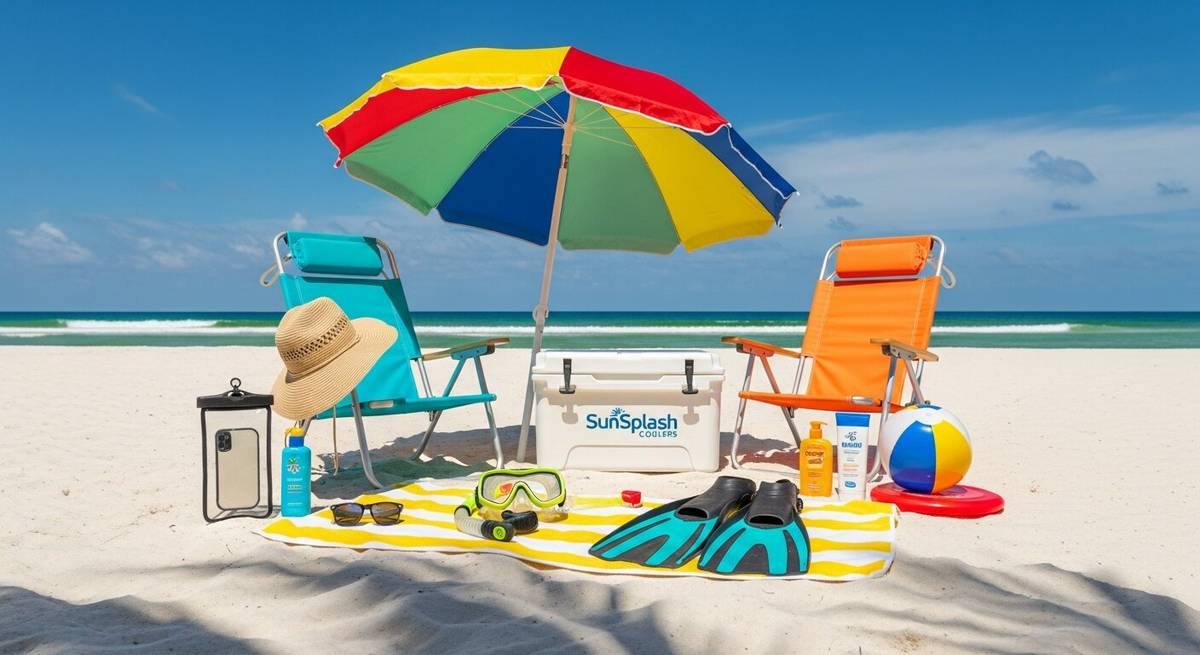
The best Southwest Florida beach gear is light enough to carry from limited parking and sturdy enough for sun, wind, shells and sudden rain. Buy a secure umbrella or compact shade, a comfortable chair, insulated water storage and phone protection first. Add a wagon or specialty shelling gear only when the access supports it.
Best gear by priority
| Need | Best type | Skip when |
|---|---|---|
| Shade | Vented umbrella with sand anchor or compact permitted canopy | Wind is strong or local rules prohibit it |
| Chair | Backpack chair or higher seat with firm arms | The beach is a very short walk and a towel is enough |
| Hydration | Insulated bottles plus a small cooler | Never |
| Carrying | Wide-wheel folding wagon | Access has stairs or soft narrow paths |
| Phone | Waterproof pouch with secure closure | A sealed dry bag already covers it |
| Shelling | Mesh bag and water shoes | Visiting a soft-sand beach without shells |
Shade: spend here first
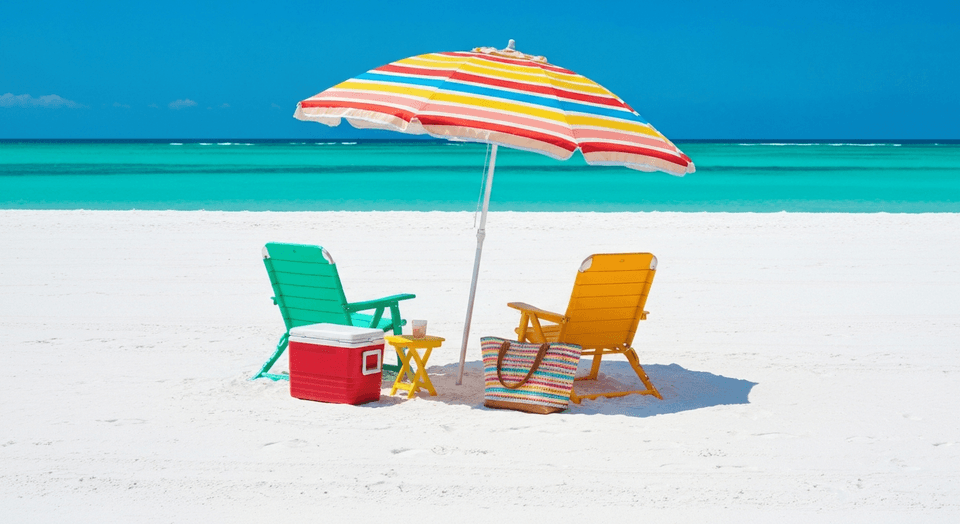
A beach umbrella should have a vented canopy, corrosion-resistant pole and a separate screw-style sand anchor. The anchor matters more than a decorative tilt mechanism.
A compact pop-up shade works better for young children or a group needing more coverage, but it is heavier and more likely to conflict with local size or staking rules. Check the beach before buying around one destination.
No shade is safe when wind begins lifting it. Lower and pack it before it becomes a projectile. Lightning requires leaving the beach entirely.
Chairs: match the body and the walk
A backpack-style chair is the best general choice because it frees both hands. Look for rust-resistant hardware, a stable frame and a weight you can carry from a remote parking spot.
A higher seat with firm arms is worth the extra bulk for anyone who has trouble rising from a low chair. Test it at home. A chair that is comfortable for 10 minutes in a store may not work for two hours.
Cup holders and storage are useful, but they should not outweigh comfort and portability.
Wagons: useful, not universal
A wide-wheel beach wagon helps a family move chairs, shade, towels and a cooler across flat boardwalks and sand. It is a poor purchase for accesses with stairs, narrow paths or long stretches of very soft sand unless the wheels are designed for it.
Measure the folded wagon against the vehicle and lodging storage. Do not load it beyond what one adult can control on a slope.
For a couple, backpack chairs and a soft cooler are often easier than a wagon.
Coolers and water
A soft-sided insulated cooler is best for a short visit. It is lighter, easier to fit in a hotel room and sufficient for drinks and lunch. A hard wheeled cooler suits a full family day only when the access is flat.
Avoid glass. Freeze one or two water bottles to supplement reusable ice packs, but bring drinkable water that is not frozen. Keep food sealed against birds and carry trash out.
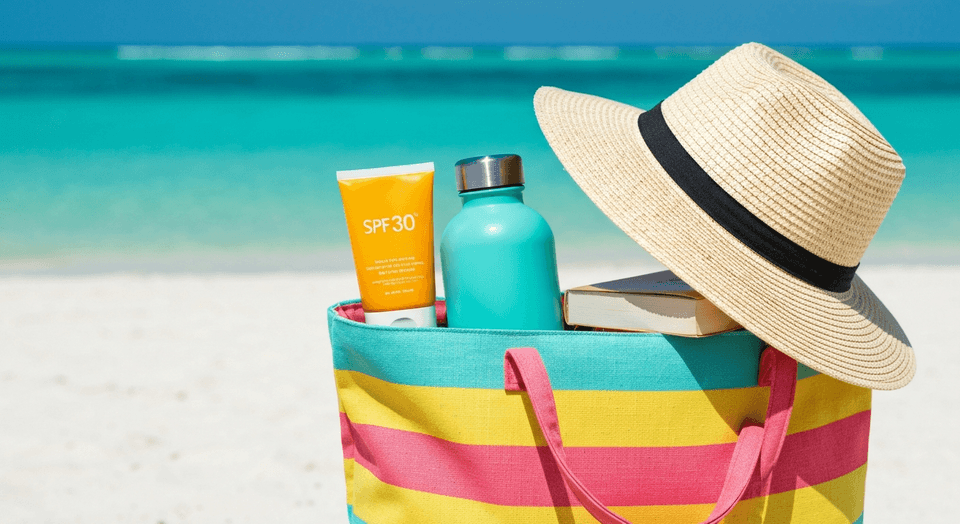
An insulated bottle is more useful than a novelty beach gadget. Heat illness is a greater practical risk than warm snacks.
Phone and key protection
Use a waterproof phone pouch from a reputable manufacturer and perform its paper-towel leak test before placing a phone inside. A floating case helps only if it remains securely closed and attached.
Keys, medication and wallet belong in a separate dry bag. Do not leave valuables unattended under a towel. Hotel keys and vehicle fobs can fail after saltwater exposure even when they look dry.
Shelling gear
Sanibel, Captiva, Englewood and Venice justify water shoes with a stable sole and a mesh collection bag. A long-handled scoop is optional for Venice fossil shark teeth and can reduce repeated bending.
Skip large shell buckets. They encourage over-collecting and retain water and sand. Never take a live shell, occupied sand dollar or protected organism. Use the Bailey-Matthews National Shell Museum as an identification resource.
Family safety gear
A properly fitted U.S. Coast Guard-approved life jacket is essential for children in boating situations and for swimmers who need that level of support. Arm floats and inflatable toys are not substitutes.
A small first-aid kit should include adhesive bandages, antiseptic, tweezers and the group's necessary medications. Add a visible wristband with a parent phone number for crowded beaches.
Choose simple toys that pack into one mesh bag. Lightweight loose items blow down the beach quickly.
What not to buy
- Oversized speakers
- Cheap umbrellas without anchors
- Glass drinkware
- Heavy hard coolers for remote accesses
- A full snorkel package before checking typical water clarity
- Inflatable safety substitutes
- Disposable decorations or confetti
- Specialty gear the lodging already supplies
Renting a paddleboard or kayak from a current outfitter is usually smarter than buying one for a short vacation. Transport, storage, personal flotation devices and local route knowledge all matter.
Match gear to the beach
Siesta Key's soft sand rewards wide wheels and a manageable parking-to-beach load. Naples' smaller access points reward a light setup. Sanibel and Venice justify shelling shoes. Marco resort guests should ask what chairs and shade are included before buying anything.
Read our beach-town comparison and packing list before shopping.
Weather and water-quality tools
The most useful "gear" is current information. Check National Weather Service radar, Florida Healthy Beaches and local park alerts.
No product makes lightning, severe heat or an active health advisory safe. Change the plan instead.
Related guides
Continue with our best Southwest Florida beaches, beach packing list, and summer guide.
Safety and beach-condition sources were checked on July 30, 2026. Local beaches control shade, wagon and equipment rules.